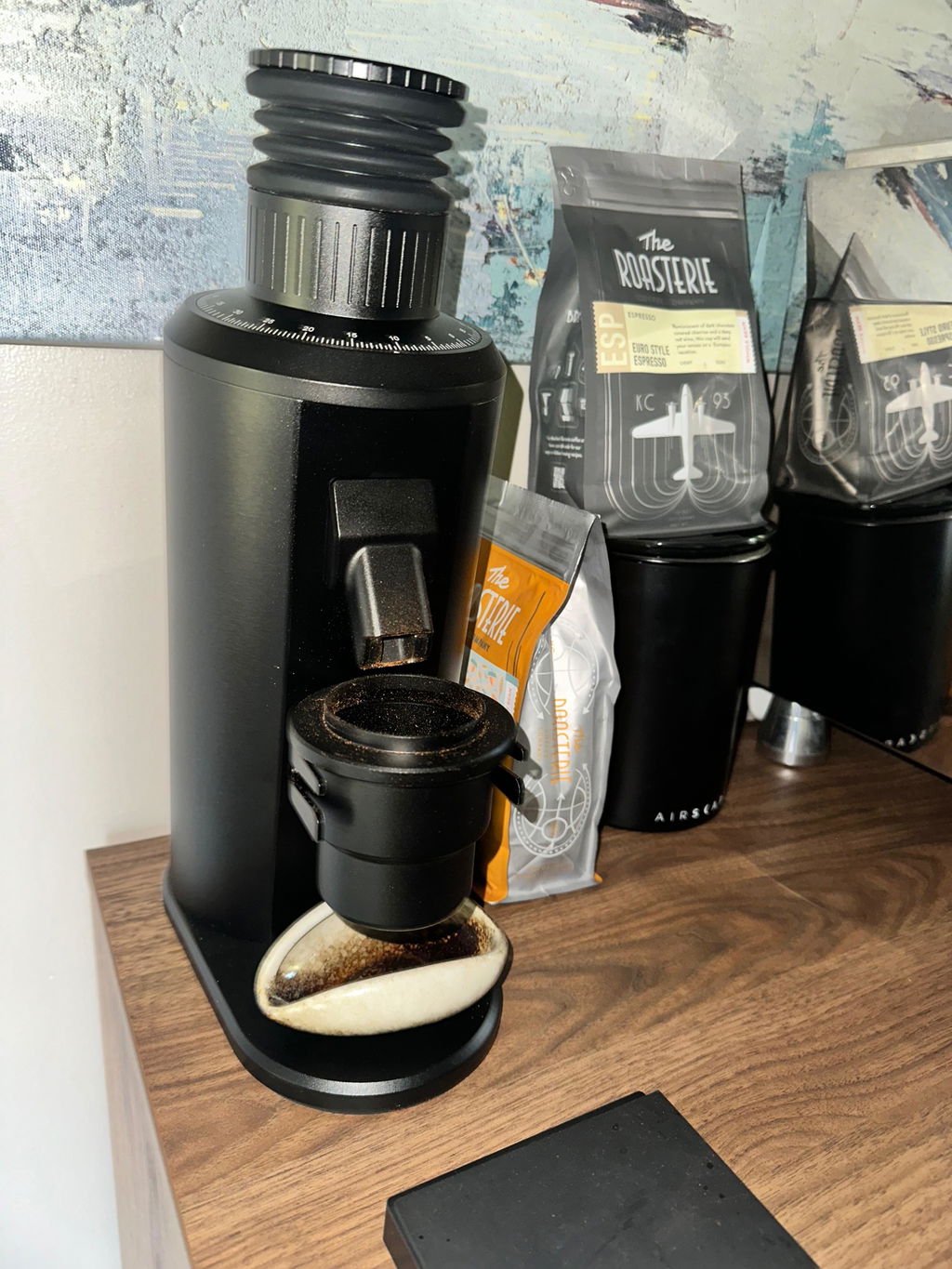
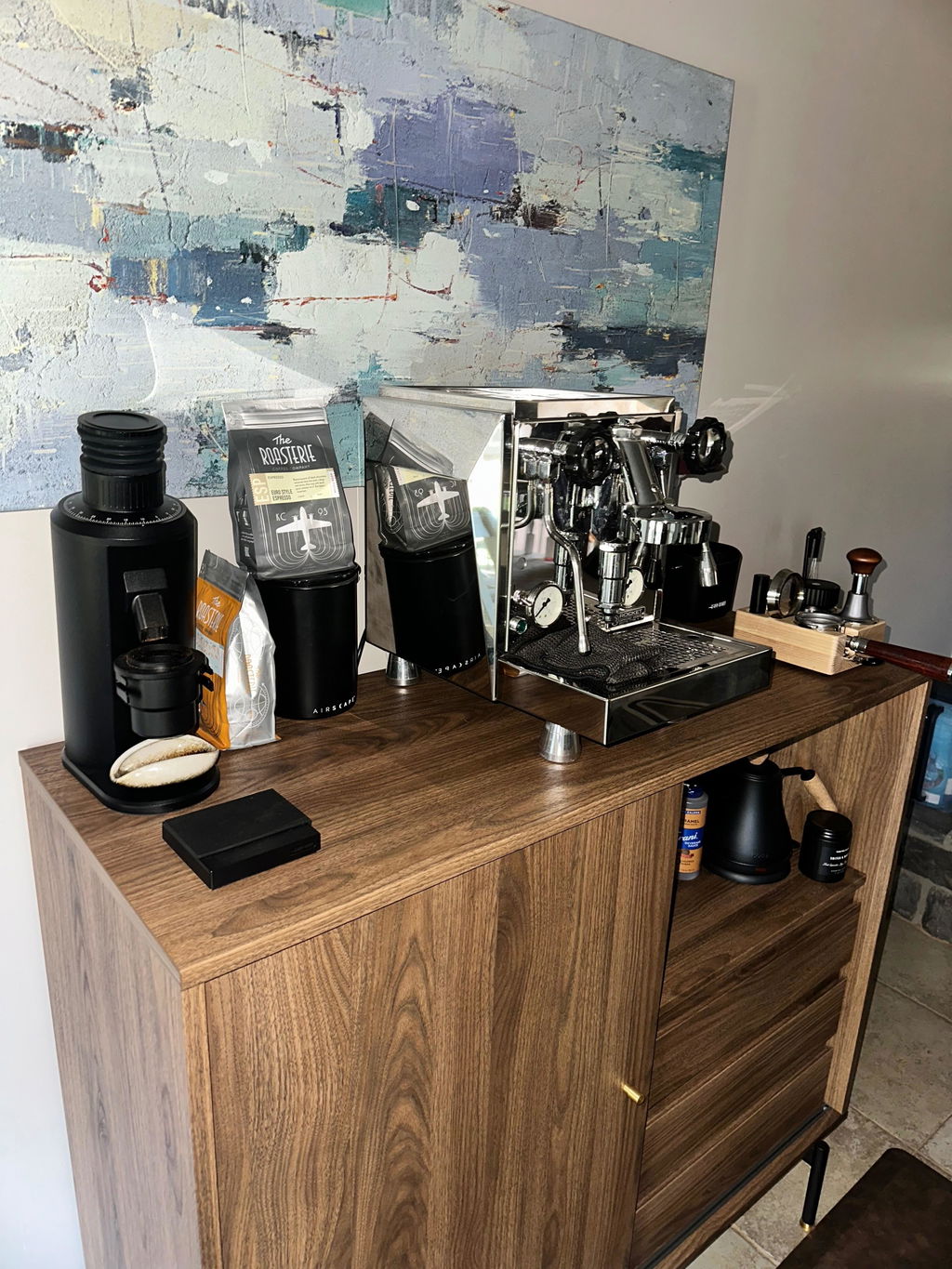
Zero Retention Explained
“Zero retention” is one of the most common phrases in grinder discussions, but almost no grinder holds literally zero coffee. What enthusiasts usually care about is whether yesterday’s grounds show up in today’s dose—and whether the grinder returns close to what went in.
Total retention vs. exchange retention
Total retention is coffee trapped inside the grinder from first use onward. Some of it may remain packed into harmless spaces. Exchange retention is the portion that swaps with fresh coffee during the next grind. Exchange retention matters more for flavor because it can mix stale grounds into a fresh dose.
Input-output numbers can mislead
If 18.0 grams go in and 18.0 grams come out, the grinder may still have exchanged old grounds for new. That is why community testing often includes several doses, cleaning, and inspection instead of relying on one input-output reading.
Bellows, RDT, and purging
- Bellows: a short press can clear the chute, but aggressive pumping may create extra fines or spray grounds.
- RDT: one light spritz can reduce static and help grounds exit cleanly.
- Purge: when making a large grind-size change, a small purge clears coffee left between the burrs.
What good workflow looks like
Weigh the dose, grind, tap or use the bellows consistently, then weigh the output. More important, notice whether the first shot of the morning tastes different from the second. Low exchange retention and repeatable technique are more useful than chasing a perfect zero.
Single-dose designs such as the Turin DF64 Gen 2 are built around this workflow, making dose changes and bean switching easier for home baristas.