


Why Espresso Crema Disappears After Brewing
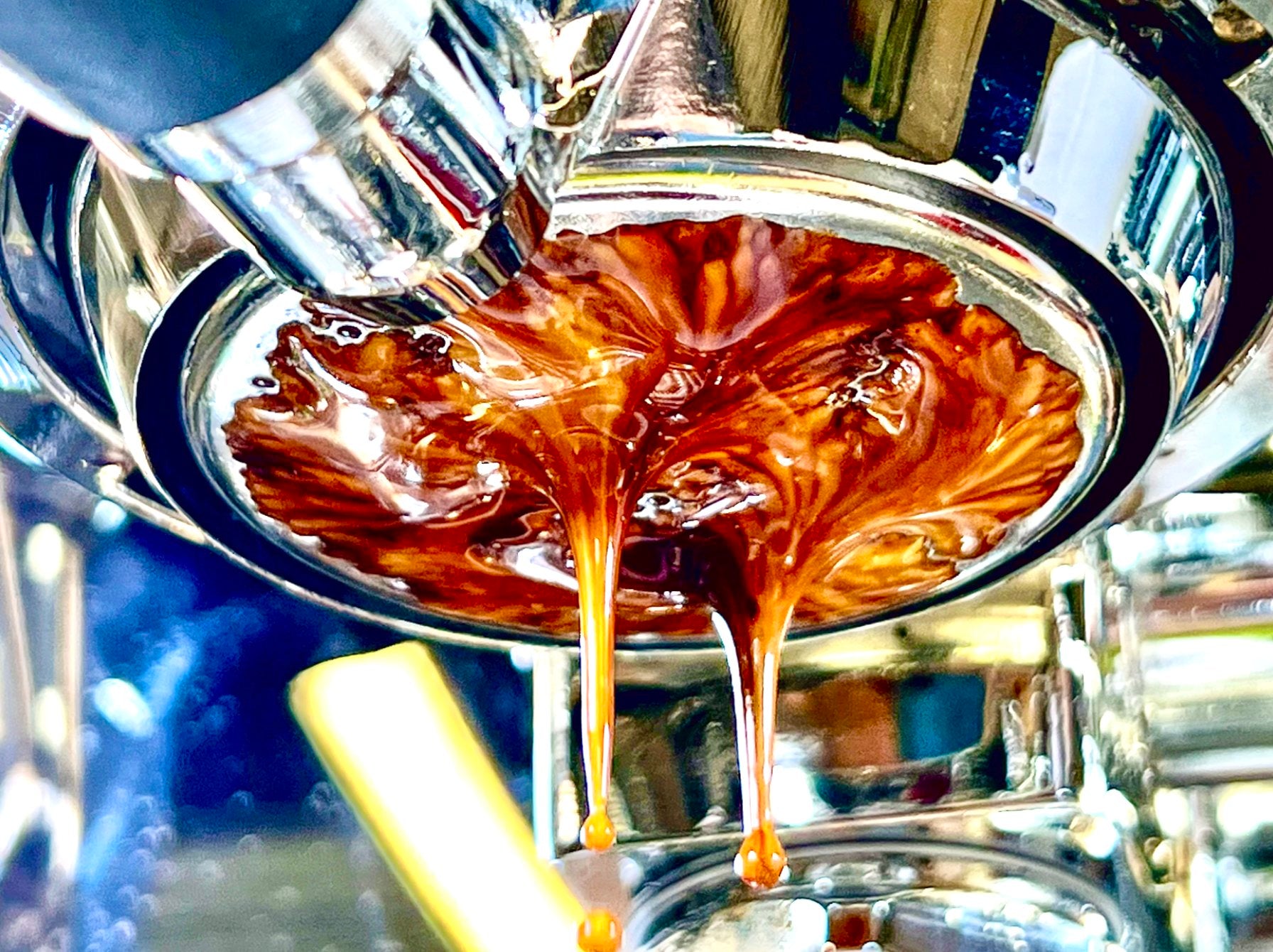
Crema disappearing after an espresso shot is normal. It is a temporary foam, and its bubbles change and collapse after brewing. The rate varies with coffee, freshness, recipe, and the cup; there is no universal number of minutes that good crema must last.
What happens to the bubbles?
Gas released during espresso brewing forms bubbles in the coffee liquid. Over time, liquid drains from the thin films between bubbles, gas moves between bubbles, and some bubbles merge or burst. These processes gradually reduce the visible foam.
Crema is not simply a layer of oil that needs pump pressure to remain emulsified. The espresso is already at atmospheric pressure in the cup while the foam remains visible.
Why one coffee behaves differently
- Freshness and resting: coffee loses gas after roasting; very fresh coffee can produce abundant but coarse-looking foam.
- Blend and roast: composition affects gas and foam behavior.
- Recipe: concentration and brewing conditions influence the result.
- Cup cleanliness: residues can change foam behavior and flavor.
A clean, suitably warmed cup is a sensible baseline. It does not guarantee long-lasting crema.
Should you change the recipe?
If the espresso tastes balanced, do not change a successful recipe just to preserve its surface layer. If you get unusually little crema along with thin flavor and fast flow, check coffee age and dialing-in settings. If the result is erratic, examine puck preparation and channeling.
You do not have to race the foam
Letting espresso cool enough to taste can make its flavor easier to assess. Stir it and judge the whole drink rather than drinking too hot simply to catch the crema intact. Our guide to bitter crema explains why tasting the foam alone can give a different impression.
Use repeatable recipes and taste comparisons to evaluate changes. More persistent crema is not proof of higher extraction, better beans, or a better machine.