


Why Does a New Espresso Machine Have Water
A small amount of clean water inside a new espresso machine can be evidence of factory testing, not prior customer use. Manufacturers commonly fill, heat, pressure-test, or function-test machines before packing them. Draining removes most water, but hoses, valves, pumps, and boilers can retain a little.
What factory-test moisture can look like
- A few drops in the reservoir cavity or drip tray
- Moisture at a water inlet, group outlet, or steam tip
- A small amount of water released when the machine is first primed
- Light condensation inside sealed tubing
Cold weather and changes in shipping altitude can move retained water. A machine that was packed dry at the factory may show droplets after transport.
What is not explained by normal testing
Factory moisture should not excuse obvious wear or damage. Pause the setup and document the condition if you find:
- Standing water throughout the box or soaked packaging
- A cracked reservoir, fitting, gauge, panel, or drip tray
- Heavy coffee residue, milk residue, or a strong stale odor
- Missing accessories, manuals, or hardware
- Deep scratches, bent panels, or signs of impact
- Water near an exposed plug, cord connection, or damaged electrical area
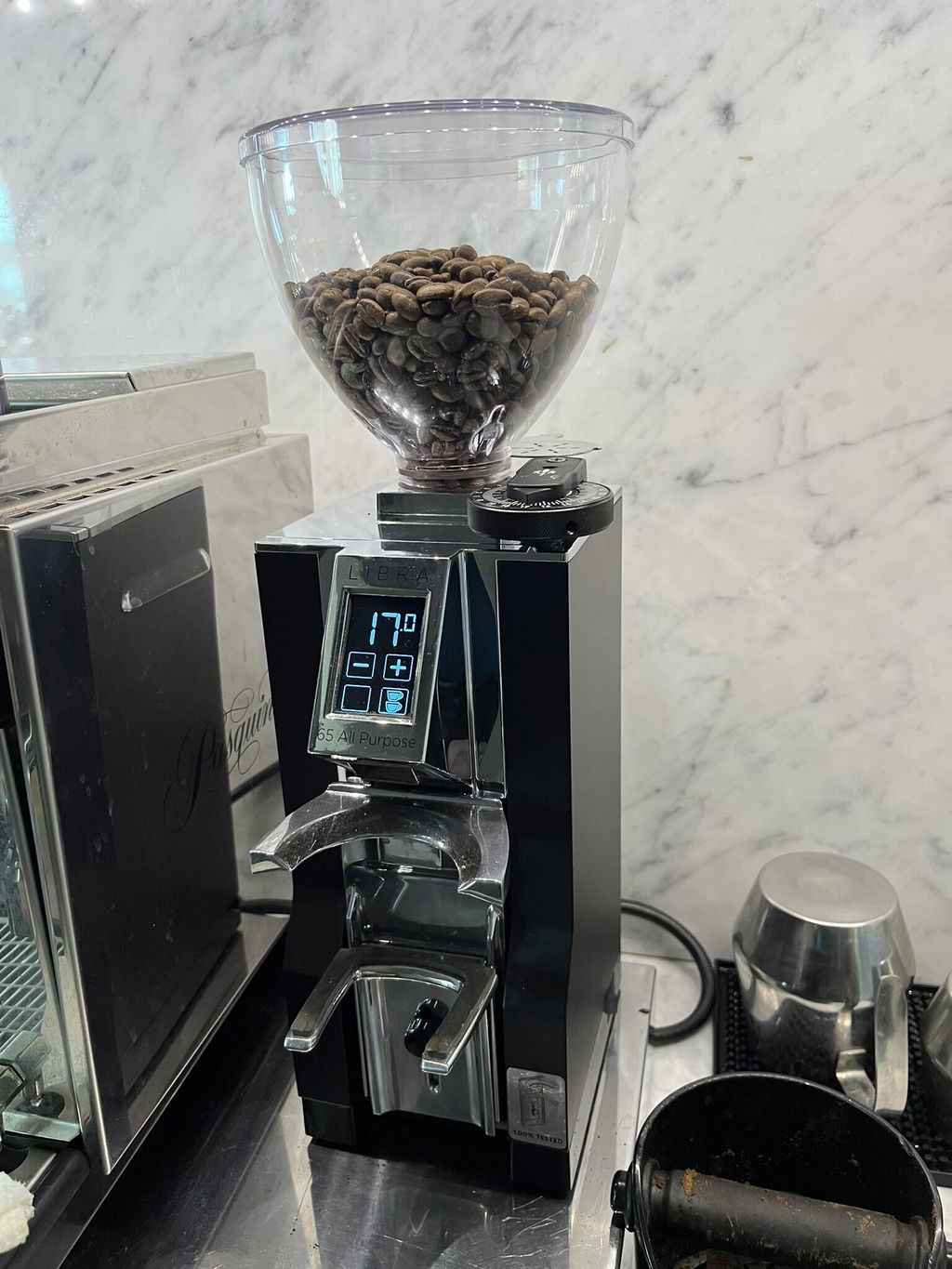
Some manufacturers also test grinders with coffee, which can leave trace grounds, but that is separate from water testing an espresso machine.
What to do before first use
- Photograph the shipping carton before discarding it.
- Photograph moisture, damage, serial labels, and all included accessories.
- Let a cold machine reach room temperature before plugging it in; this reduces condensation risk.
- Inspect the power cord and exterior for damage.
- Follow the exact initial-fill and priming procedure in the manual.
- Run the recommended initial water flush before making a drink.
Use suitable water from the start. Poor water can cause scale or corrosion that is not covered as a manufacturing defect.
If the machine will not prime
Shipping can leave air in the pump inlet. Reseat the reservoir, confirm its valve opens, and use the model-specific priming process. Do not let the pump run dry.
When to report the condition
Report shipping damage, missing items, significant water intrusion, or signs inconsistent with normal testing promptly. Keep every piece of packaging until the issue is resolved; carriers and manufacturers may require it. Review the Espresso Outlet return policy and submit photos through our support form. Do not operate a visibly damaged or wet electrical appliance merely to see whether it works.
Why complete draining is difficult
An espresso machine contains narrow hoses, pump chambers, check valves, heat exchangers, and boilers with outlets above their lowest point. Tilting or draining the reservoir does not empty every cavity. Manufacturers also avoid shipping a machine with fittings loosened simply to remove the last drops, because those connections must remain sealed after a pressure test.
Cold-weather shipping deserves extra care
Residual test water can freeze in severe temperatures. If a machine arrives extremely cold, keep it upright, do not force controls, and allow ample time to reach room temperature. Look for cracked fittings, displaced hoses visible without opening the case, or water that continues leaking after thawing. Photograph any damage before adding water of your own.
How to distinguish moisture from a shipping leak
Factory-test traces are usually limited and do not continue to grow. A shipping leak often leaves a wet carton, tide marks, pooled water, or a level that changes after the reservoir is filled. If you cannot tell, document the machine before setup and contact support; operating it can erase useful evidence and expose electrical parts to water.
FAQ
Does water prove the machine was returned?
No. Factory pressure and function testing can leave water in a genuinely new machine.
Should a new machine smell like coffee?
An espresso machine may have minor testing residue, but strong stale coffee or milk residue is not typical. Photograph it and contact the seller.
Can I plug it in immediately after winter delivery?
Let the machine reach room temperature first, especially if it is cold enough for condensation to form inside.