



How Much Does It Cost to Open a Coffee
Coffee Business Resource Center
The most useful answer to “How much does it cost to open a coffee shop?” starts with another detail: what are you opening, and what is already there?
A small coffee counter in a suitable existing space is a very different project from turning an empty storefront into a café. A cart can avoid some building costs, but it still needs a complete operating setup and somewhere to trade.
For a 2026 budget, use current quotes for your own project. Broad startup ranges can help you ask questions, but they rarely tell you whether they include construction, installation, owner pay, or money left after opening. This guide shows how to arrive at a number you can actually use.
Describe the project before you price it
Write a short description of the business: fixed shop or mobile setup, opening menu, approximate size, seating, food preparation, and the condition of the site. Include whether you're buying a business, taking a lease, or arranging access through a host.
For a shop, be clear about what “already fitted out” means. Are the sinks, electrical supply, refrigeration, counters, and restrooms usable for your plan? Who owns the equipment? Will your menu or layout require new work? Have the relevant professionals inspect the space before giving existing fixtures a value in the budget.
For a cart, list what you already own and can actually use. A suitable vehicle, approved storage, or access to a commissary may change the project substantially. A trailer advertised without equipment, water systems, or a tow vehicle is not comparable with a ready-to-operate package.
Keep those assumptions at the top of your budget. Otherwise, the scope tends to grow while the original target number stays the same.
Separate opening costs from money you'll need afterward
Use three distinct amounts: the cost to get ready, an allowance for uncertain project work, and the cash needed while the business gets established.
This follows the useful distinction between initial and recurring expenses in the SBA's startup-cost guidance. The coffee-specific details below are planning suggestions; they need your own quotes and forecast.
| Budget area | Include | Best way to replace a guess |
|---|---|---|
| Site and agreements | Deposits, pre-opening occupancy costs, professional review | Lease proposal, host agreement, adviser quote |
| Building or mobile setup | Counters, utilities, approved sinks, cart or trailer work | Itemized bids tied to the actual layout |
| Equipment | Beverage equipment, refrigeration, water treatment, tools, installation | Exact-model installed quotes |
| Getting ready to serve | Training wages, recipes, opening stock, POS, insurance, launch materials | Staff schedule, supplier prices, written service terms |
| Unexpected project work | An allowance for identified uncertainties | Review of the items still unresolved |
| Opening cash | Bills due while receipts build, plus a chosen buffer | A dated cash forecast |
Avoid putting a known bill in the unexpected-work allowance. If you already know you need a water heater or an installation visit, price it as part of the project. That leaves the allowance available for things you genuinely haven't resolved.
The space can change the budget more than the machine
Before choosing finishes, investigate electrical service, water, drainage, ventilation where relevant, and the proposed use of the premises. An attractive rent can be offset by expensive work.
Give the contractor the opening menu and equipment schedule. If you add cooked food later in the design, ask what that changes. More preparation, washing, storage, or ventilation can affect both the build and the review process.
For a leased shop, ask which work the landlord will complete, which costs you will pay, and how any improvement allowance is paid. A reimbursement after completion does not provide cash for a contractor's deposit today. The NYC Small Business Services commercial lease guide is a useful introduction to these lease-cost questions, though your agreement and local law control your project.
Mobile owners should make the same distinction between a frame price and the completed system. Ask about power, plumbing, refrigeration, transport, loading, and storage. King County's mobile permit process is one example of a jurisdiction reviewing the menu and equipment before construction; check the process where you'll operate before buying a prebuilt cart.
Get an equipment quote with the missing pieces included
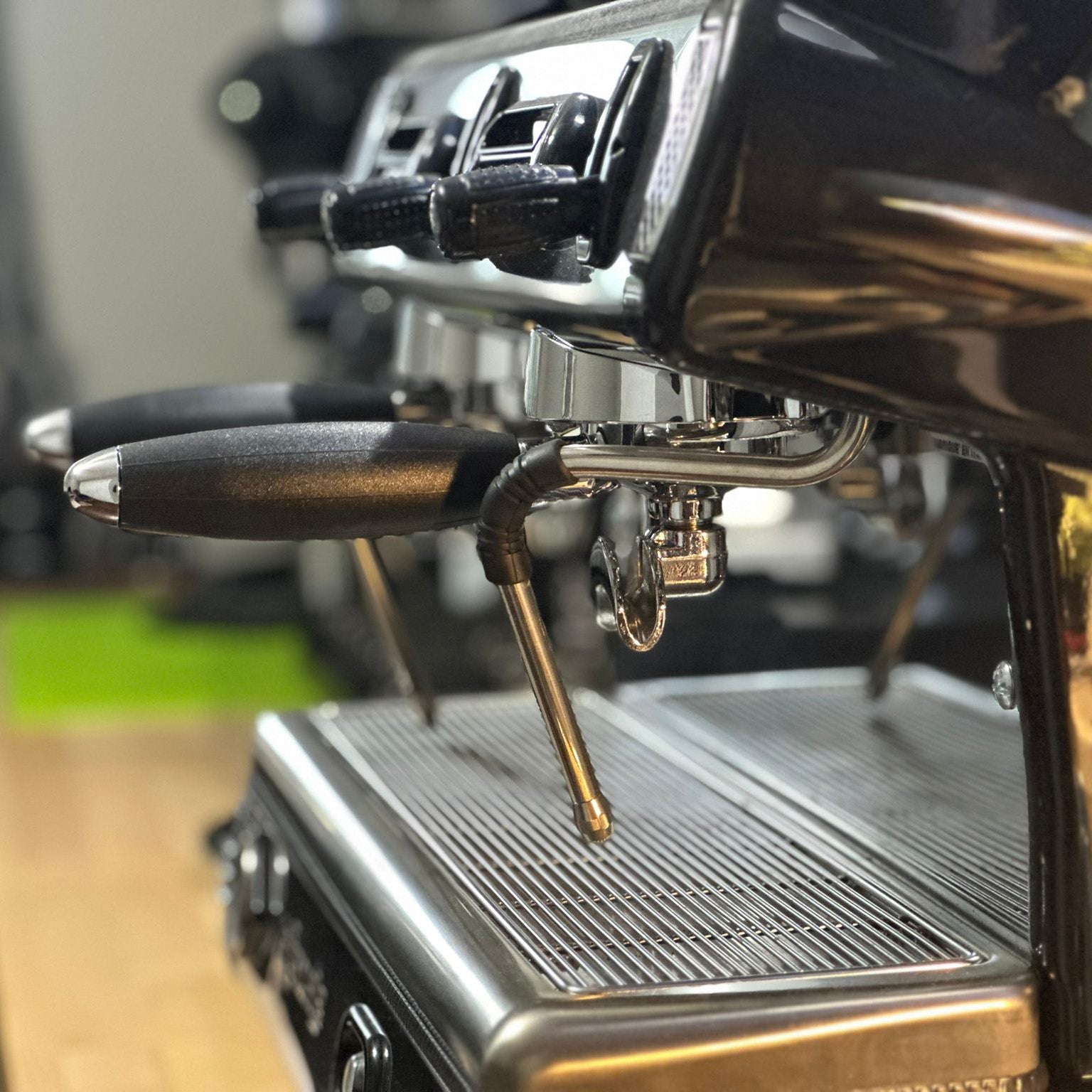
Price the espresso machine, grinder, water treatment, refrigeration, and smallwares together. Add brewing and hot-water equipment if the menu needs them.
Ask which electrical configuration the quote covers. A machine family's starting price may refer to a different dosing system or version from the one you intend to buy. Compare matching configurations before deciding one proposal is cheaper.
Include applicable sales tax, shipping, unloading, movement into position, connections, commissioning, and training. Some suppliers or installers combine services; others quote them separately. The important thing is that each job appears somewhere and is only counted once.
Used equipment deserves its own calculation. Add a technician's inspection, identified repairs, missing accessories, and installation to the asking price. A cheap machine requiring extensive work can consume the reserve you expected to keep.
Use manufacturer documents when pricing the connections. Simonelli's Appia Life installation sheets separate the power, water, and drain requirements for different configurations. A building contractor needs those details before the bar is fabricated.
An example of how the total comes together
Imagine a project with $15,000 for site access, design, and approvals; $45,000 for building and utility work; $35,000 for installed equipment and tools; and $10,000 for training, opening stock, and launch expenses. Getting ready would cost $105,000.
If the owner then allows $15,000 for unresolved project costs and calculates a need for $30,000 of opening cash, the total funding requirement becomes $150,000.
These are invented amounts, not a national average or a package price. Their purpose is to show why a $105,000 opening project might require considerably more than $105,000 in available funding.
Now suppose the building quote comes back $20,000 higher. The owner can revise the work, investigate another site, or arrange additional funding. Spending the planned opening cash on construction also changes how the first months will be funded; it doesn't make the increase disappear.
Put the bills on a calendar
A budget can add up and still leave you unable to make a payment on time. Put a due date beside deposits, progress payments, equipment balances, insurance, wages, and inventory purchases.
Then add the dates when funding is actually available. Distinguish money in the account from an application, expected reimbursement, or tentative contribution. If a payment depends on something still being approved, show that clearly.
Include the weeks before opening. Rent, utilities, insurance, and paid staff preparation may start before the first customer walks in. A cart may begin paying storage or commissary costs before it has a full booking calendar.
Build a delayed-opening version of the calendar. Use your actual commitments to see which payments continue and which can move. This is particularly useful before announcing a firm date or accepting bookings that depend on unfinished work.
Work out the cash left on opening day
Start with the money remaining after all opening commitments, including unpaid final invoices. Forecast receipts and payments for the first weeks, then extend the view far enough to include slower trading periods and major bills.
Include payroll, ingredients, packaging, rent or site costs, maintenance, debt payments, and the money you need to take home. Make sure tax collections and customer deposits are tracked appropriately rather than treated as unrestricted spending money.
For a café, test quieter sales while maintaining the minimum staff needed to trade. For a cart, test a canceled market, a gap between events, or a vehicle repair. The reserve should answer those scenarios rather than simply being whatever happens to remain.
Reduce the cost by changing something real
A focused opening menu can reduce equipment, storage, and training requirements. A suitable existing food-service space may reduce building work. A smaller customer area may fit a takeaway concept. Those are actual changes to what you are opening.
Other apparent savings just move costs into the future. Delaying essential refrigeration, omitting an installation allowance, or assuming unpaid owner labor doesn't make the underlying need go away.
If the total is above your budget, identify the few decisions responsible for the difference. It is easier to reconsider a site, food menu, or vehicle choice than to cut a little from every line until the business no longer works.
Keep updating the budget as quotes arrive. Record when each price was checked and when it expires. The result should tell you what you're building, what is included, when you need to pay, and how much cash remains to run it.
For the equipment portion, send Dylan your menu and site details. A clearly scoped quote will make the rest of the planning much easier.
Sources and further reading
- U.S. Small Business Administration, Plan your business, startup-cost guidance; checked September 8, 2026.
- NYC Small Business Services, Commercial Lease Guide, lease expenses and alterations; accessed September 8, 2026. NYC guidance, not a statement of every state's law.
- Public Health — Seattle & King County, Mobile food service business permit; checked September 8, 2026.
- Simonelli USA, Equipment documents archive, model-specific installation sheets; checked September 8, 2026.