

Coffee Shop Equipment List
Coffee Business Resource Center
The espresso machine is usually the first thing on a new owner's equipment list. It's also the easiest thing to spend too much of the budget on.
A working coffee bar needs somewhere to keep milk, make drinks, wash tools, store cups, and deal with the mess left behind. On a cart, you also have to bring the parts a building normally supplies: water, power, storage, and a way to handle wastewater.
Start your list with your opening menu and a sketch of the bar. Then follow an order all the way from payment to pickup, including the cleaning afterward. You'll find more useful answers that way than by copying another café's shopping list.
The equipment most espresso businesses need
Use this as a starting point, then adjust it for your menu and local requirements. A shop serving breakfast and batch coffee needs a different setup from a cart offering a short espresso menu at private events.
| Part of the operation | What to include | What to decide before buying |
|---|---|---|
| Espresso | Commercial machine, espresso grinder, compatible baskets and tampers, scales | Peak order mix, available power, installation, and service support |
| Milk and cold drinks | Refrigeration, pitchers, thermometers, approved ice supply and storage | Working stock, delivery interval, milk types, and transport |
| Brewed coffee | Brewer, suitable grinder, servers or dispensers | Batch sizes, hot-water needs, and how quickly coffee sells |
| Water and washing | Water treatment, required sinks, washing and sanitizing supplies | Source-water test, local requirements, water and drain connections |
| Daily service | POS, cups and lids, shelving, knock box, waste containers, cleaning tools | Order flow, storage, cleaning access, and replenishment |
Give each item a reason to exist. If you can't name the opening-menu job it performs, it may be something to add later. If the bar cannot operate or clean properly without it, it belongs in the opening budget.
Buy the espresso machine and grinder together
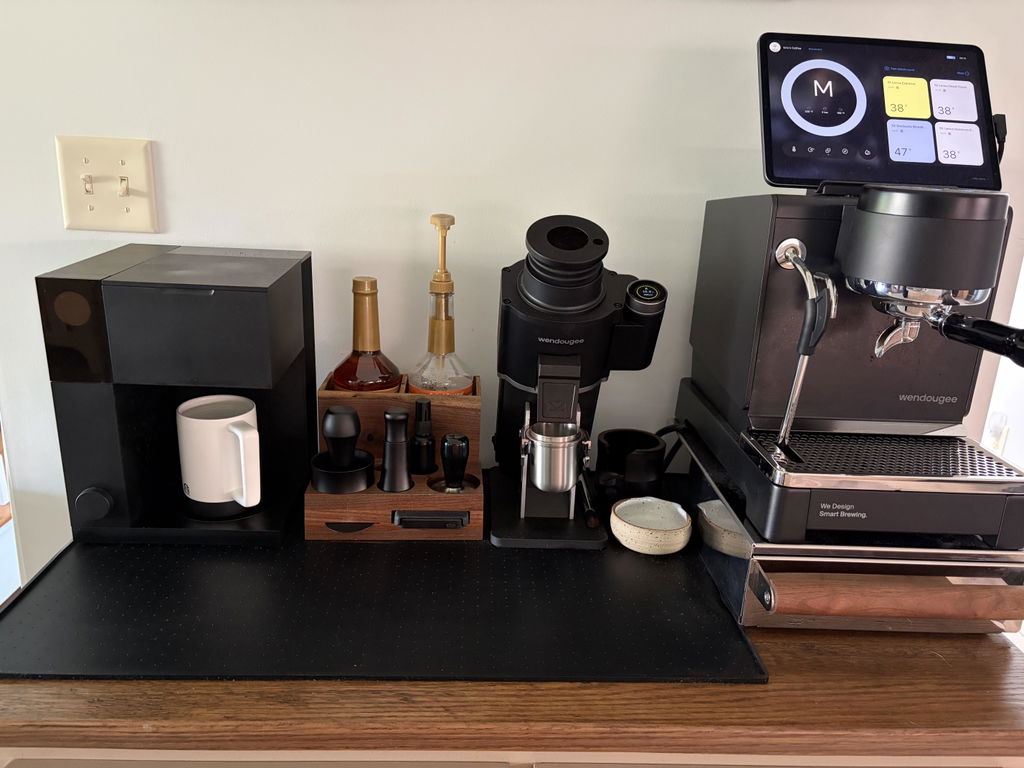
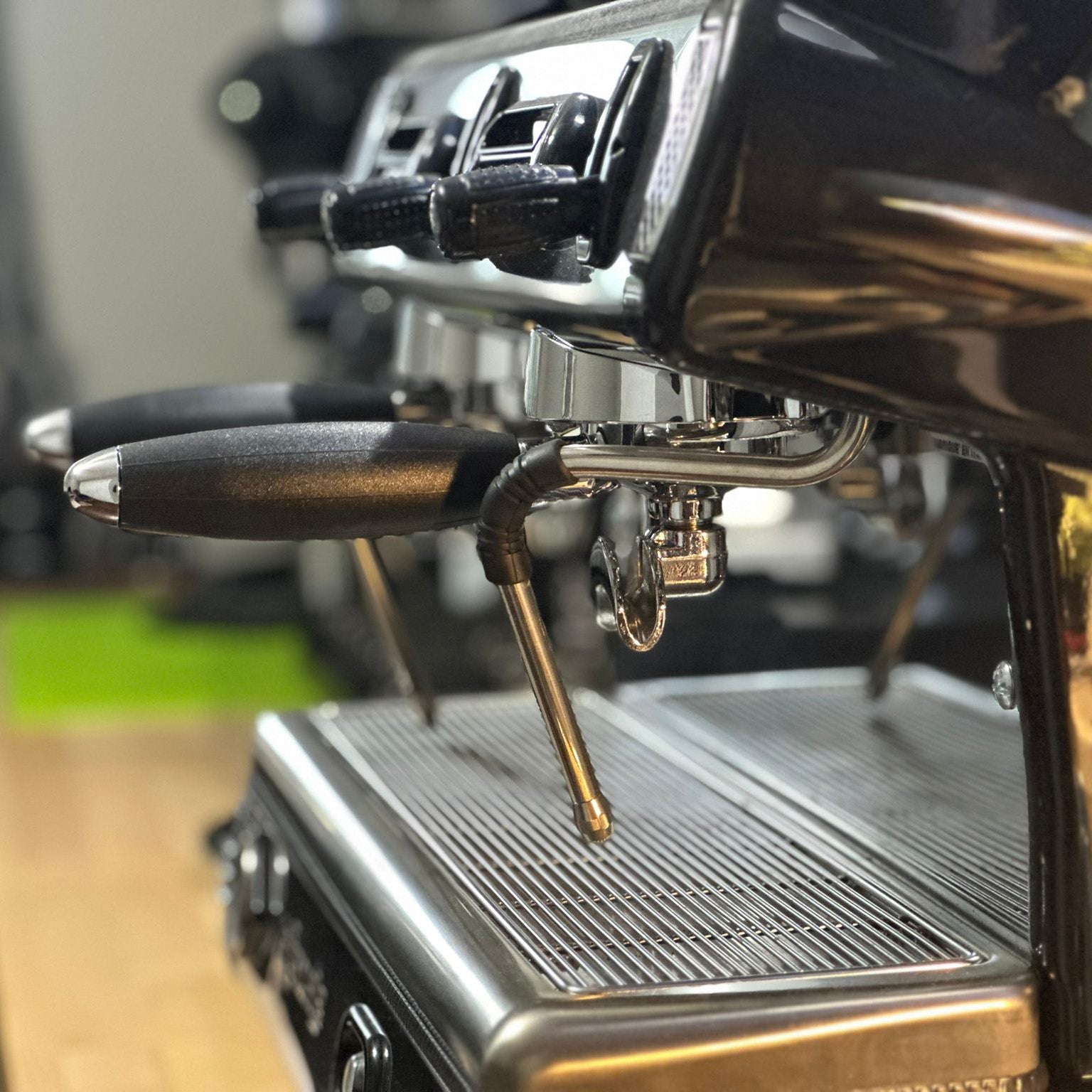
Your commercial espresso machine and espresso grinder need to suit the same workload. A machine with spare brewing capacity won't solve a queue waiting for the grinder. A fast grinder doesn't make a small steam system recover faster.
Tell the supplier what a busy spell looks like. Include drink sizes, the share of milk drinks, extra-shot orders, decaf, and the number of people working. A one-person event cart and a café with separate espresso and milk positions may use equipment very differently.
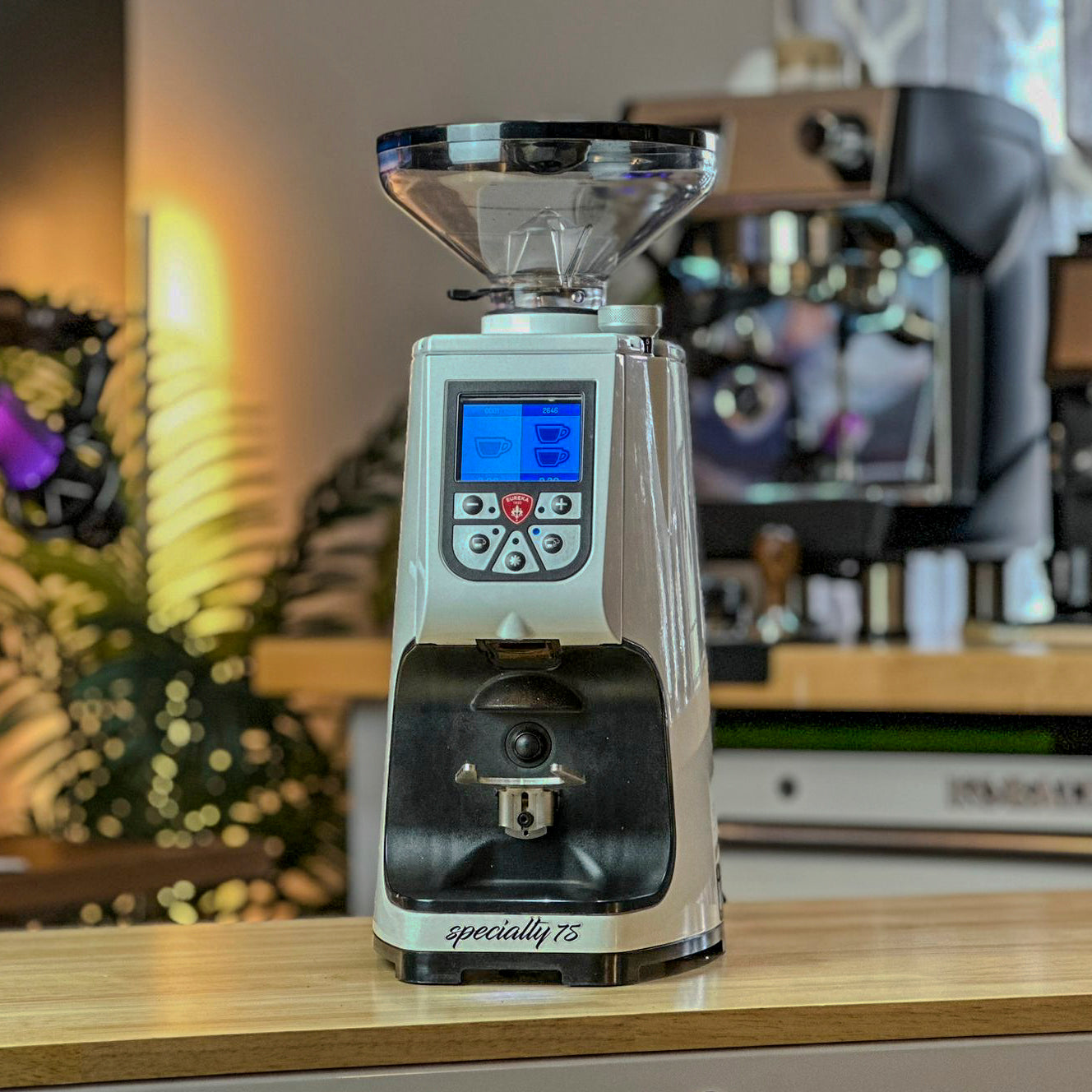
For the grinder, ask to see your actual dose ground repeatedly. Watch adjustment, dosing consistency, access to the controls, and how easily the barista catches and handles the grounds. Burr size is useful information, but it isn't a complete description of the grinder's suitability.
Plan decaf before opening. If you expect frequent decaf orders, a separate suitable grinder may simplify service. If demand is occasional, discuss a practical alternative with your roaster and equipment supplier. Repeatedly emptying and redialing the main hopper grinder during a queue is a poor default plan.
Check what comes with the machine. Portafilters, baskets, cleaning accessories, and steam options can differ by configuration. Order spare baskets and tampers for the actual group system; tools from different brands don't automatically fit.
Decide how you'll serve brewed coffee and hot water
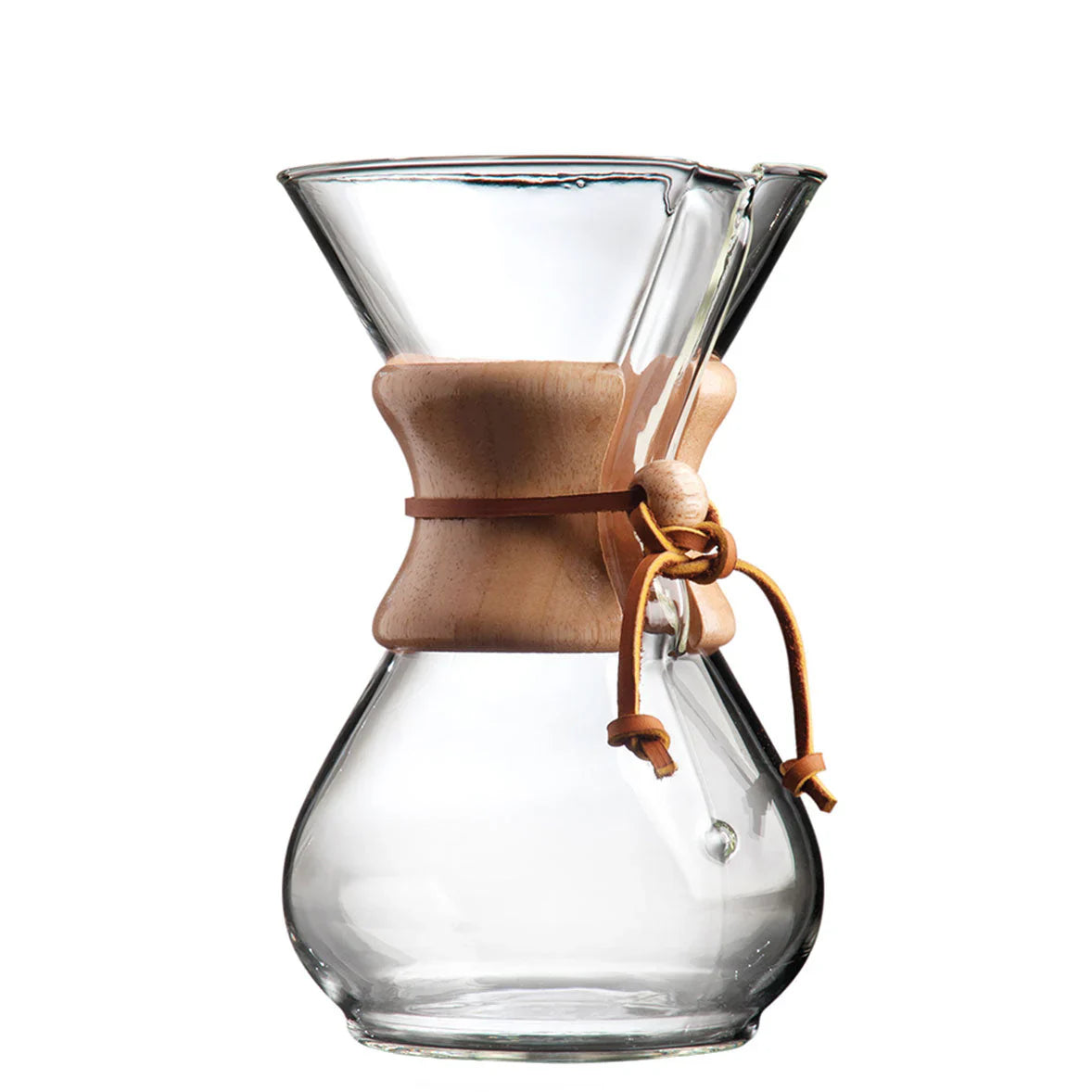
If batch coffee is on the menu, choose the brewer and serving equipment as a pair. The brewer's batch size needs to match the server, and both need to fit the counter and customer handoff.
Think about the quiet periods as well as the rush. A large batch is only helpful if you can sell it while you're happy with its quality. Ask whether the brewer supports the batch sizes you need and establish a tasting and replacement routine.
Include enough servers to prepare the next batch without leaving customers waiting for the first container to become empty. Account for cleaning and rotation, too. Labeling which coffee is in each server is a small detail that matters when more than one person works the counter.
Tea, Americanos, and hot chocolate can add substantial hot-water work. Describe that demand to the supplier instead of assuming every hot drink will be supplied from the espresso machine. A separate hot-water dispenser may be useful, but it also brings a price, footprint, and electrical load.
Make refrigeration and ice part of the bar layout
List the milk and other refrigerated ingredients you need between deliveries. Then separate bulk stock from the smaller amount the barista needs within easy reach during service.
Measure the containers you will actually buy. A refrigerator's advertised capacity doesn't tell you how many cases fit with the necessary airflow and access. Check the door swing with someone standing at the espresso station. A fridge that fits under the counter can still block another person every time it opens.
For iced drinks, decide whether you'll produce ice onsite or buy it from an approved source. Plan protected storage and handling in either case. If you're comparing ice machines, ask about the manufacturer's production conditions, storage-bin capacity, and performance in the environment where it will run. Daily production and ice immediately available are different numbers.
On a cart, refrigeration has to work through transport, setup, service, and pack-down. Ask your local reviewer what arrangement is accepted. King County's mobile-unit planning guide illustrates how equipment, water systems, and the menu are considered together; your own area's requirements determine your build.
Allow for the installation around each appliance
Keep the exact installation sheet beside the price quote. It tells your trades far more than a product photograph.
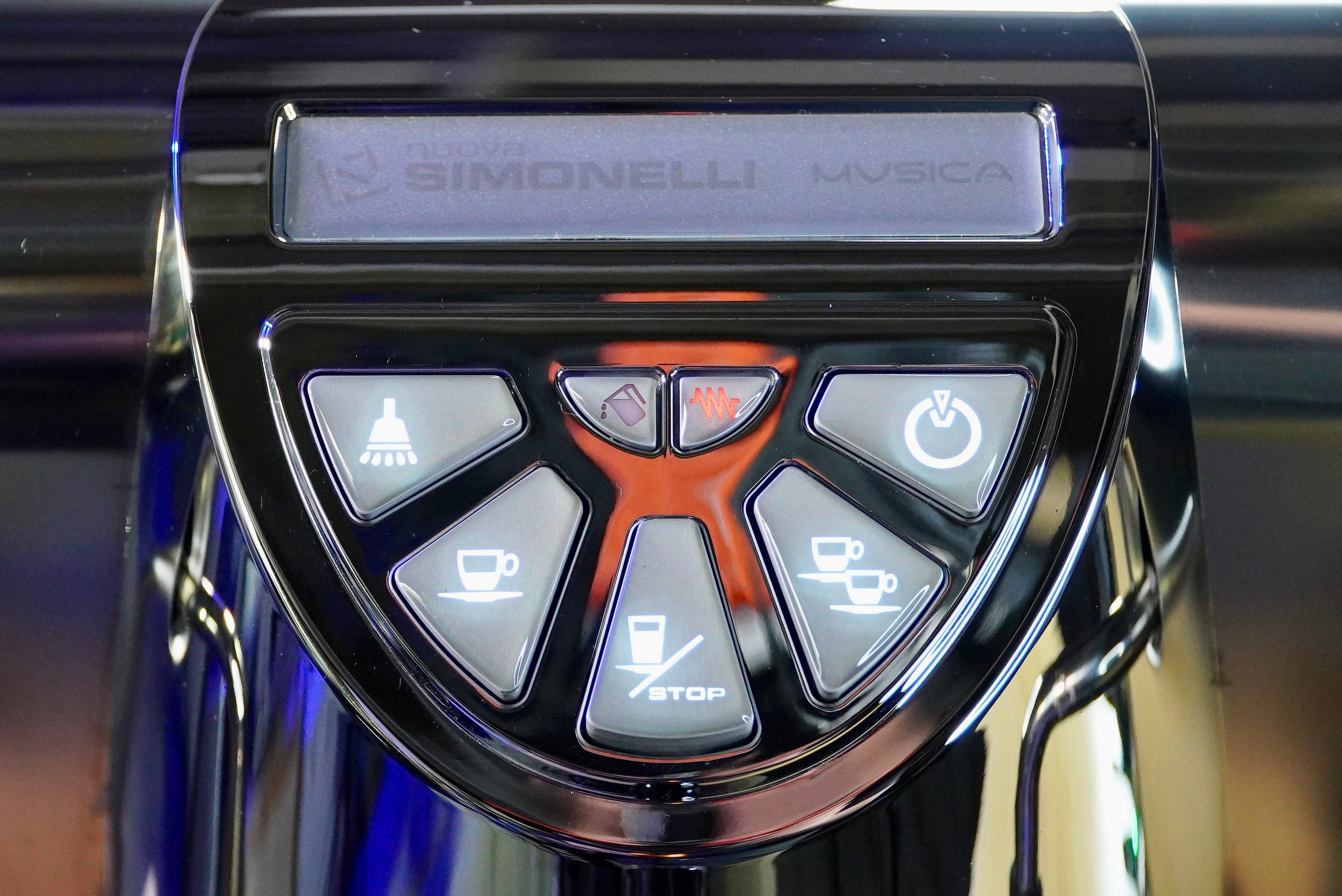
For example, Simonelli's Appia Life one-group sheet specifies power, water supply, drainage, and water chemistry. Buying that machine doesn't automatically provide the circuit, drain, filter, countertop opening, or installation visit.
Get a water test and have water treatment selected for the source and the equipment. Include the filter head, cartridge, fittings, mounting, and access for replacement. Leave shutoffs and service points reachable after the cabinet is finished.
Ask who receives the delivery, moves heavy equipment into position, connects it, and commissions it. Those can be different people. Clarify any freight or access charges and who checks the station after installation.
Count smallwares by the work happening at the same time
One pitcher, one cloth, and one scale may be enough to make a practice drink. They are unlikely to cover a busy station while items are in use or being cleaned.
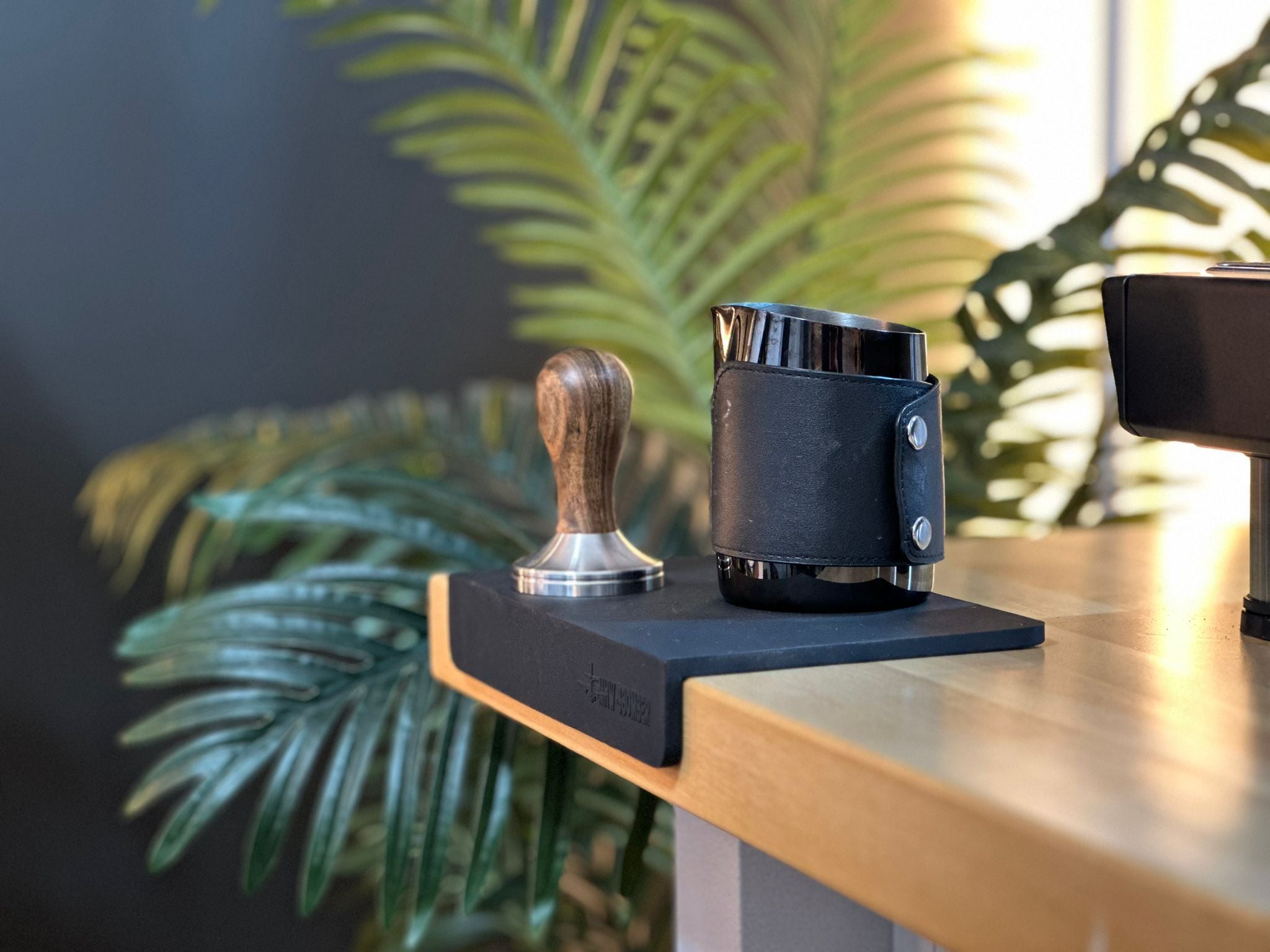
Include pitchers appropriate to your drink sizes, compatible tampers, scales that fit under the groups, a knock box, brushes, approved cleaning products, and the tools needed to measure recipes. Plan how staff identify different ingredients and follow your allergen procedures. Different pitcher colors can help organization, but they don't replace proper handling and cleaning.
Buy cups and lids together and test the fit. Add sleeves where needed, napkins, carriers, labels, and storage for unopened supplies. Check that the tallest drink can be made and handed over without awkward transfers.
Cleaning supplies need their own home. Follow the machine and grinder instructions for products and procedures. The Appia Life handbook, for example, includes specific daily group-cleaning instructions; a generic cleaner and a quick rinse aren't a complete closing plan.
Add the equipment that lets customers order
Choose a POS arrangement that fits the service. Test menu modifiers, alternative milks, decaf, extra shots, receipts, refunds, and ticket routing. For a cart, check internet access at the actual venue and understand the payment provider's offline limitations before relying on them.
Position the ordering point so it doesn't block drink pickup. Make the menu readable before customers reach the cashier. At a prepaid event, you may not need to take individual payments, but you still need a clear way to record drinks and identify the person collecting them.
Include lighting, practical storage, and any required site or event signage. A cart also needs suitable transport and equipment restraint planned with its builder. The decorative cart shell is only one part of the mobile setup.
Finish the list with a realistic practice service
Once installation and the necessary approvals are complete, run a mixed queue with the staff you'll actually have. Make hot and iced drinks, a decaf order, an alternative-milk order, and a remake. Replenish cups and milk during the exercise.
Notice every time someone leaves the station to find a tool or waits for something that could have been prepared. Those observations tell you whether you need another pitcher, a better shelf, a second grinder, or a different arrangement.
Keep manuals, serial numbers, warranty information, and service contacts together. Decide what you could still sell if an essential machine fails. A smaller menu can be a useful backup, provided its equipment and operating arrangements are already suitable.
If you'd like help narrowing the list, talk with Dylan about your menu, busiest orders, space, utilities, and total installed budget.
Sources and further reading
- Simonelli USA, Appia Life one-group installation sheet and user handbook, undated documents checked September 8, 2026.
- Public Health — Seattle & King County, Mobile food service business permit and linked planning guide, guide dated April 2026. Local example only.
- FDA, Food Code, the model used by adopting jurisdictions; checked September 8, 2026.