

How to Start a Coffee Shop
Coffee Business Resource Center
Opening a coffee shop gets real surprisingly quickly. One day you're thinking about the coffee you want to serve. The next, someone is asking where the handwashing sink goes, how much power your espresso machine needs, and when you can pay a deposit.
You don't need every answer at the beginning. You do need to work through the big decisions in an order that keeps an expensive purchase from deciding the rest of the business for you.
This guide walks through that process, whether you're planning a neighborhood café, a small takeaway bar, or a coffee cart. Start with how you'll find customers, then work through the menu, money, location, and equipment that will let you serve them well.
Get specific about who will buy your coffee
Picture an ordinary trading day. Who is your first customer? Why are they nearby? Are they grabbing a latte before work, meeting a friend, or picking up coffee while they shop at a market?
Those answers affect surprisingly practical things. A commuter stop needs an easy approach and a quick handoff. A café where people stay needs a comfortable room and enough sales to support the space. A cart serving weddings needs a way to reach couples and planners well before the wedding day.
For a shop, visit possible locations during the hours you'd actually open. Watch how people arrive, where they park, which side of the street they use, and whether nearby businesses are busy on the same days. Repeat the visit. A lively Saturday afternoon tells you very little about a Tuesday morning.
For a cart, talk to potential hosts before buying the cart. Ask market managers about vendor fees, other coffee sellers, attendance by time of day, and available utilities. Ask offices and venues how they currently arrange coffee service and who makes the booking decision. An interested conversation is useful; an agreed location or a paid booking is stronger evidence of demand.
Decide how the business will get paid
A coffee cart can sell individual drinks, take prepaid catering bookings, or do both. Treat those as separate plans. At a market, your income depends on how many people buy. At a catered event, you're agreeing to provide a particular service for a client. Green Joe's event-booking guide makes this distinction, and it's a useful place to start a booking conversation.
| Your setup | Where sales come from | A question to answer early |
|---|---|---|
| Coffee shop | Customers visiting your location | Can enough people conveniently reach you during your opening hours? |
| Market or roadside cart | People choosing to buy individual drinks | What sales would cover the site fee and the whole day's work? |
| Coffee catering | A host paying for an agreed package | How many guests, which drinks, and what service window does the price include? |
For catering, put the details in writing: the menu, guest count, serving hours, travel area, access to the venue, utilities, and what happens if the event changes. Explain whether guests can order repeatedly and how extra time or an increased guest count is handled. These details help you bring the right supplies and avoid promising more than your setup can serve.
For public events, ask what the organizer can actually tell you about past sales opportunities. Total attendance alone isn't a forecast for your till. Consider when people arrive, whether coffee is already included elsewhere, and how many other vendors will be competing for the same customers.
Start with a menu you can make well
You can open with a focused menu and add to it as you learn what sells. Espresso, a few familiar milk drinks, an iced option, and a small selection of other drinks give you plenty to work on. The right menu depends on your customers; you don't have to offer everything the café down the road offers.
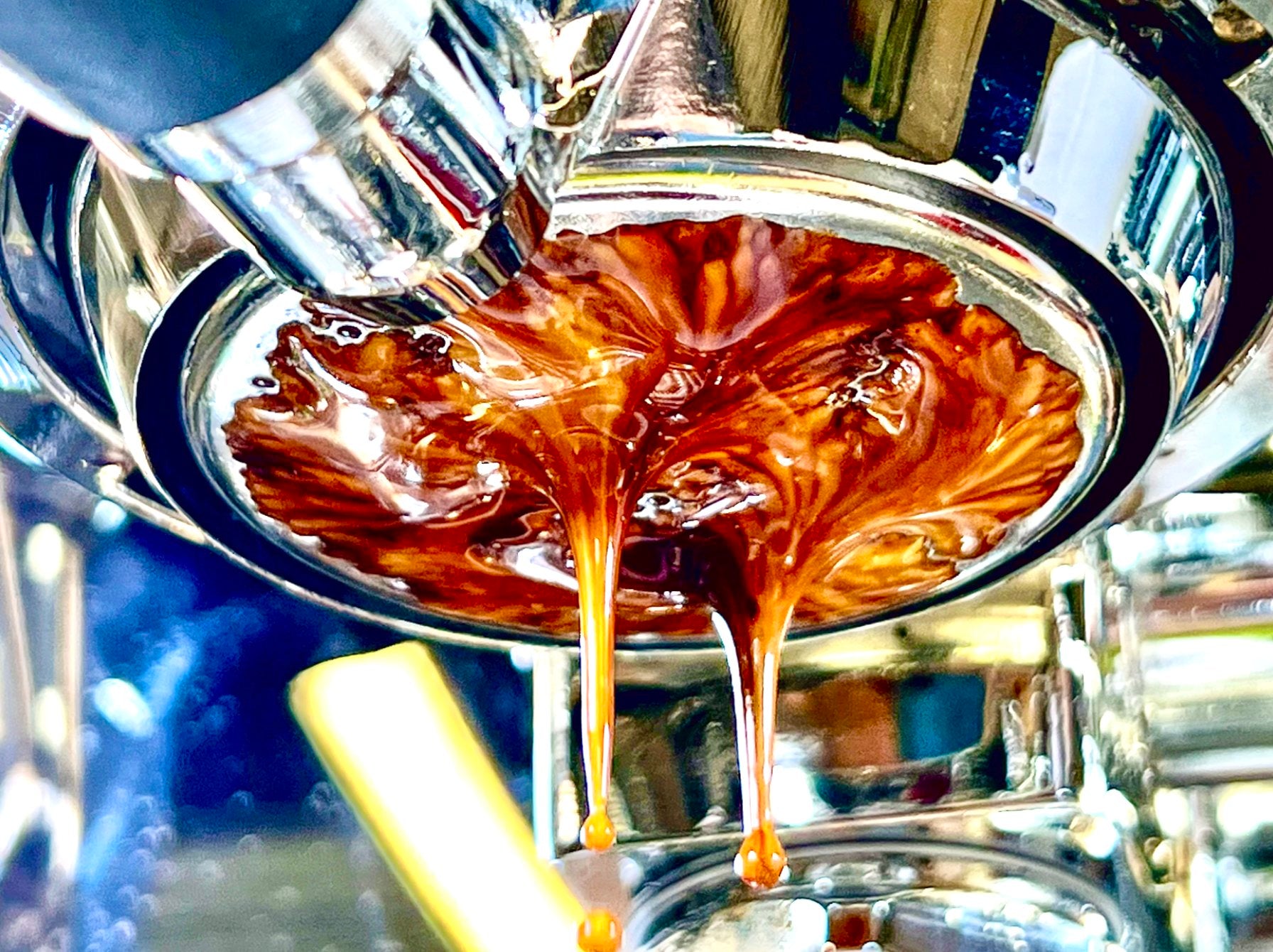
Write the recipe for each drink before you price it. Include the cup size, coffee dose, espresso yield, milk, syrup, and any toppings. Dose means the weight of ground coffee you use; yield means the weight of espresso in the cup. These measurements give your team a shared starting point instead of several versions of the same drink.
Try each recipe in the cup you'll sell it in. An iced latte needs room for ice. A larger hot latte may need a different amount of coffee to keep the flavor you want. Offering another cup size can mean another recipe, more packaging to store, and more decisions at the till.
Be especially thoughtful about additions on a cart. A blender drink needs somewhere to put the blender, ingredients, and cleaning supplies. Pastries need an approved supplier and suitable storage or display. Ask your local reviewer about planned food and drink preparation before adding equipment or assuming you can prepare ingredients at home.
Work out what a day's sales need to cover
Price your drinks with actual supplier quotes. Count coffee, milk, flavorings, cups, lids, and payment fees. Include a sensible allowance for milk left in pitchers, dialing in the grinder, remakes, and unsold food. Buying an ingredient and selling all of it are different things.
Then look at the bills that keep coming regardless of how many coffees you sell: rent or storage, insurance, software, equipment payments, and the staffing you need to open. Keep your own hours visible, too. A plan that works only when you work for free hasn't yet shown that it can support you.
A simple example
Suppose your average order brings in $6 before sales tax, and the costs that vary with that order average $2. That leaves $4 to help cover the rest of the business. If the operating costs included in your calculation total $12,000 a month, you'd need 3,000 orders a month to cover them: $12,000 divided by $4. Open 25 days, and that's 120 orders a day.
These are invented figures to explain the math, not typical coffee-shop results. Use your expected mix of drinks and food, and keep orders separate from cups: one customer may buy two drinks and a pastry. The SBA's business-planning guidance explains the break-even calculation behind this example.
Now put that daily target next to what you've learned about the location. Does it seem achievable on an ordinary day? What happens if orders are lower, or you need another person on the morning shift? The calculation is useful because it gives you a question to investigate before committing.
Keep a separate cash forecast for when bills are actually paid. Loan principal, tax payments, equipment deposits, and money you need for household expenses can affect available cash differently from the operating-cost calculation above. Give your accountant both views so the sales target and the cash plan fit together.
Check the location or cart design before you spend heavily
Once you have a rough menu and business model, contact the health department responsible for the places you'll operate. Describe what you'll serve, where preparation will happen, and whether the business is fixed or mobile. Ask for the application process and the information they need before construction or equipment purchases.
There isn't one national coffee-cart permit. The FDA publishes a model Food Code that jurisdictions use when developing their own rules. Your local authority determines how its requirements apply to your business.
For example, King County, Washington, requires mobile-business plans to be reviewed before construction, remodeling, or a change of ownership. Its process also includes an operating permit and a pre-opening inspection. That's a local example of why a cart advertised as ready to use still needs checking against your intended menu and location. See the county's mobile food business permit guidance.
If you're opening a shop
Before signing a lease, have the proposed use and likely work checked. Can you operate the menu you want there? What electrical, plumbing, drainage, restroom, or building changes are needed? Who pays for them, and when does rent start? Bring the equipment list to these conversations so the contractor is pricing your actual plans.
Include accessibility in the first layout. Think through the route from the entrance to ordering, seating, and restrooms with your designer. The Department of Justice's small-business ADA primer explains obligations for existing premises and alterations; an existing café layout isn't a reason to skip the review.
If you're opening a cart
Ask specifically about handwashing, washing utensils, refrigeration, fresh-water storage, wastewater disposal, and whether you need an approved commissary. A commissary is a permitted support facility where activities such as preparation, storage, and cleaning can take place. Confirm which activities your agreement includes and when you can access it.
King County's April 2026 mobile-unit guide, for example, asks for water-system drawings, equipment locations, a detailed menu, and information about the commissary and operating sites. Use your own area's application to plan the build; tank sizes and sink arrangements aren't universal.
Also confirm permission to trade at each location and ask what additional vending or event approvals apply. Think beyond service: where will the cart be stored, how will it get into your vehicle or trailer, and can you move it through the venue's doors? Include the weight and space of equipment, water, milk, ice, and supplies when discussing the cart with its builder.
Choose equipment around the work it has to do
Start the equipment conversation with your menu, available space, utilities, and busiest likely service period. Saying “I want to sell 150 coffees a day” leaves a lot unanswered. Serving them across a long café day is a different task from serving a crowd during a short conference break.
Describe the orders, too. How many will need steamed milk? Will customers order extra shots? Will you serve batch coffee, tea, or hot chocolate alongside espresso? Ask to see the proposed setup handle a realistic mix of drinks, including grinding, taking payment, and handing orders over.
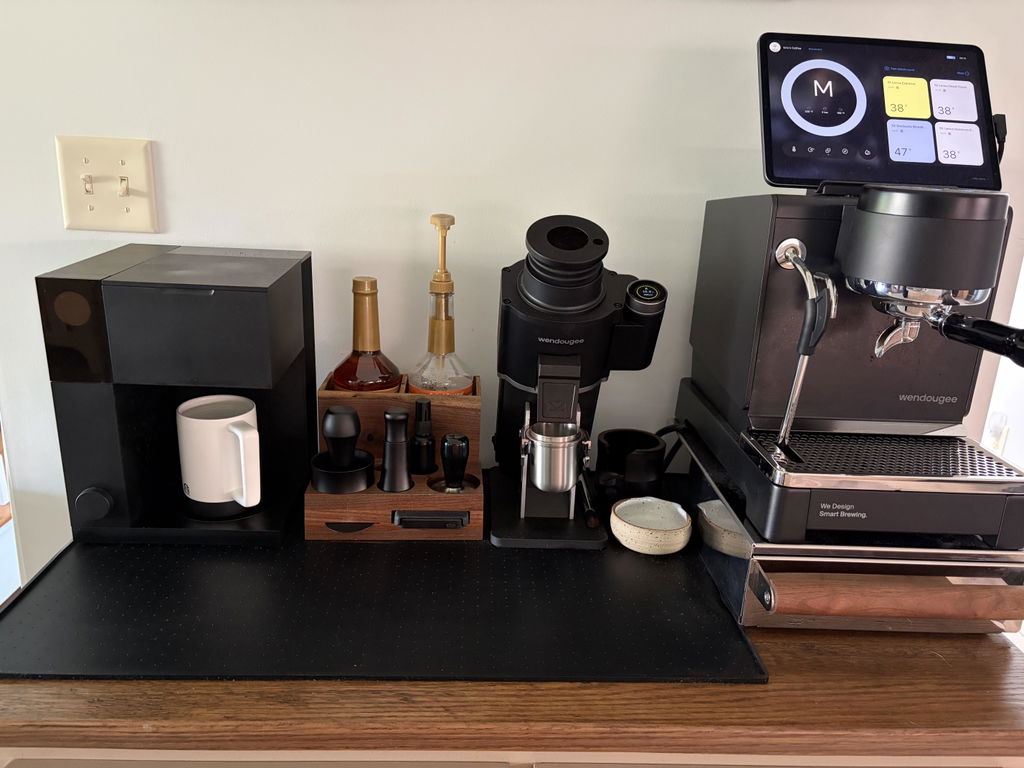
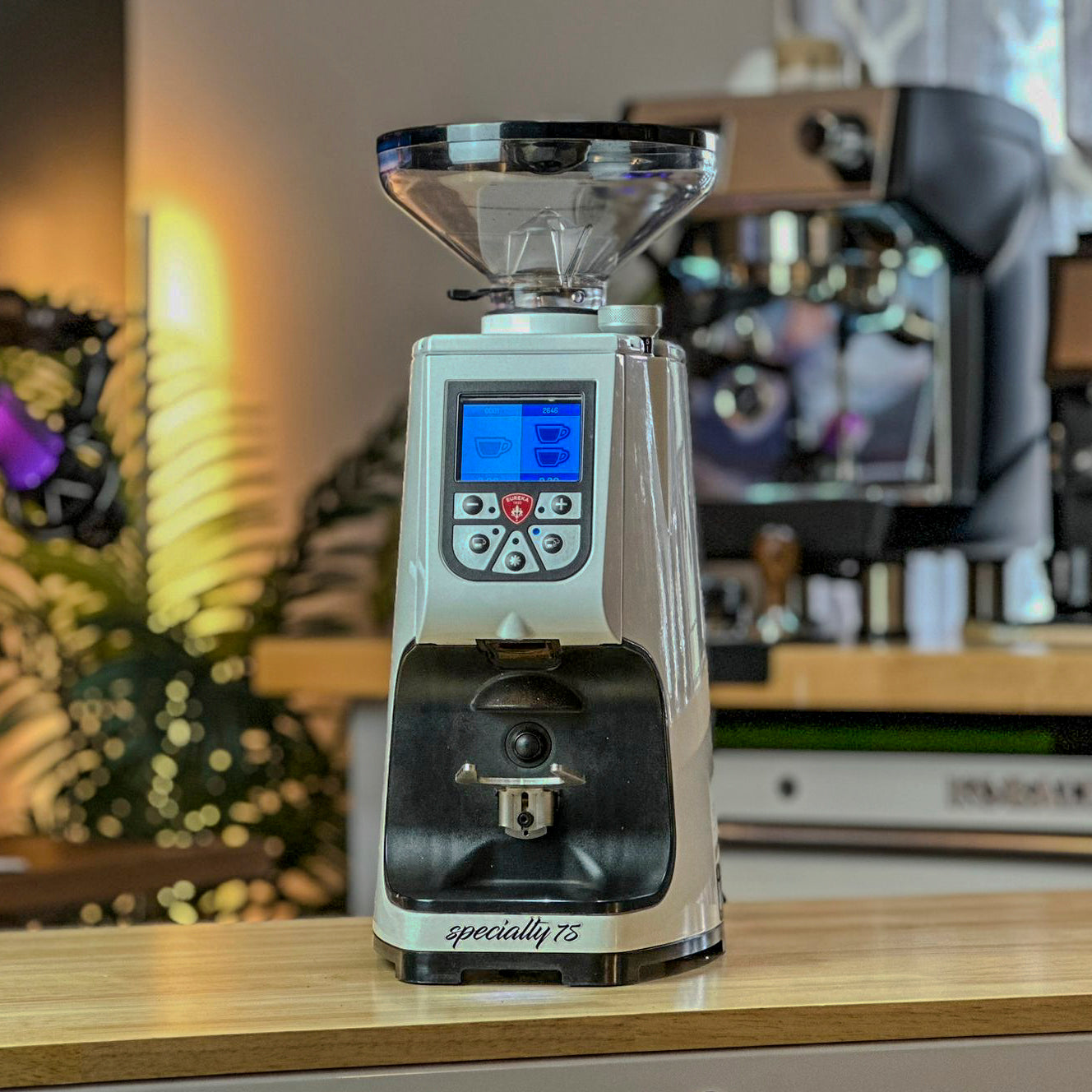
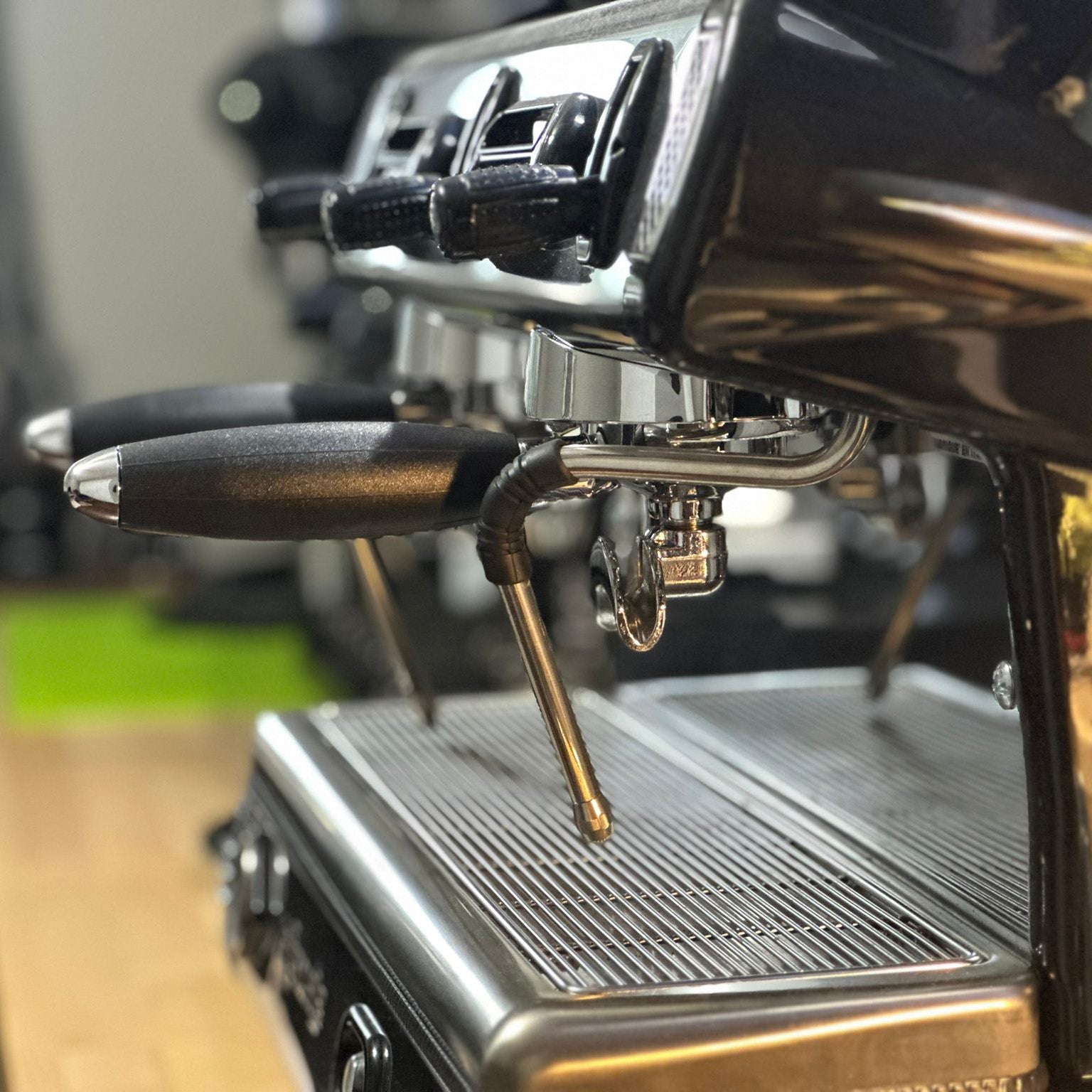
Budget for the whole station: a commercial espresso machine, a suitable grinder, water treatment, milk refrigeration, and the smaller tools that make daily work easier. Depending on the menu, you may also need a batch brewer, hot-water supply, ice equipment or approved ice storage, and a way to serve decaf efficiently.
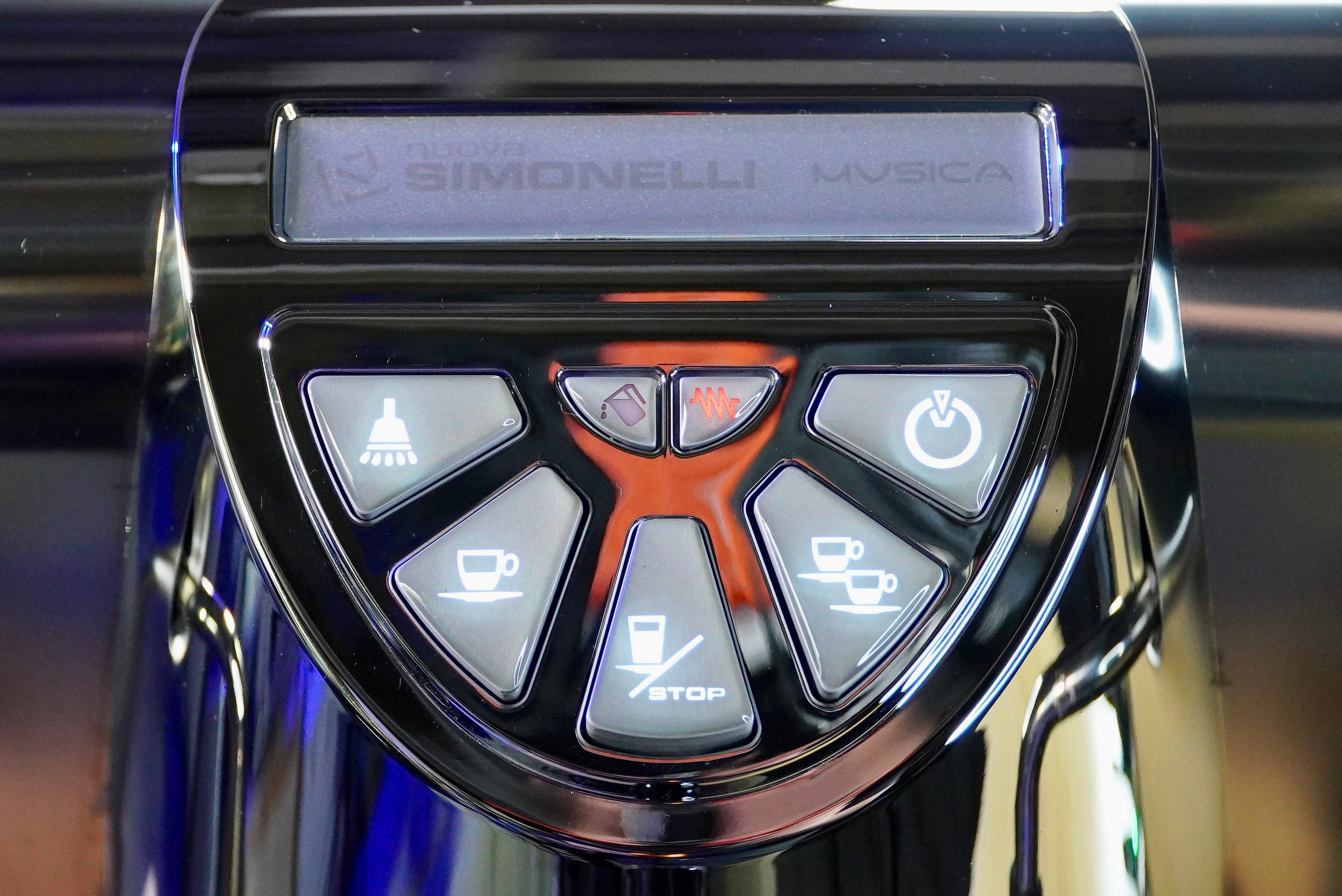
Check the exact machine's installation sheet before choosing it. As a concrete example, Simonelli USA lists the Appia Life one-group at 110–125 volts and 1,500 watts; its full-size two-group sheet lists 208–240 volts and 3,400 watts. Both also specify water and drainage requirements. Compare the one-group and two-group installation sheets with your installer. These are examples of different configurations, not a recommendation for every small or large business.
On a cart, have the electrical plan checked for everything operating together, including the refrigerator, water heater, pumps, and grinder. “The venue has an outlet” isn't enough information to confirm compatibility. If you need a generator or another portable supply, coordinate it with the equipment installer and venue before booking the job.
Test the water you'll actually use and have the treatment matched to the machine's requirements. Those Simonelli sheets specify several water measurements, including hardness and alkalinity. A bottle labeled drinking water, or a filter chosen without a water test, doesn't establish that the water meets them.
Before ordering, ask who will service the equipment in your area, how installation is arranged, and what the warranty covers for your intended use. Have a plan for a failed grinder or machine during trading hours. For used equipment, get a technician's inspection and a repair estimate before deciding how much you've saved.
Leave money for the weeks after opening
Build your opening budget from quotes that include delivery, installation, utility work, permits, initial stock, training, and the other costs of getting ready. Keep a separate allowance for unexpected work and changes. The SBA recommends separating one-time startup expenses from ongoing monthly expenses; it's a helpful distinction when the equipment quote starts to look like the whole budget.
Then write down the cash you'll need while sales build. For a shop, think about paying staff and suppliers during a slower opening month. For a cart, consider gaps between bookings, market cancellations, vehicle costs, and commissary or storage payments. Forecast a delayed start as well as a slower start.
Keep customer deposits visible in that forecast. A deposit may arrive weeks before an event, but you still need money to deliver that booking. Decide what you can safely spend after allowing for its supplies, labor, and any refund obligations.
Practice a shift, including the unglamorous parts
When choosing a roaster, ask about delivery schedules, minimum orders, training, and help setting an espresso recipe. Taste the coffee in the drinks you plan to sell, using your milk and alternative milks. Then document a starting recipe and practice adjusting it by taste and measured output.
Train the entire order: hear it correctly, enter the right modifiers, make the drink, identify it at pickup, and reset the station. Work through a mixed queue with the number of people you'll actually schedule. Notice where someone has to wait, cross behind a coworker, or leave the bar to find supplies.
Make cleaning part of that rehearsal. Teach the manufacturer's procedure for the equipment you're using, along with your approved food-handling and allergen procedures. For example, the Appia Life handbook includes steam-wand care and a daily group-cleaning cycle. Follow the instructions for the exact machine when choosing cleaners and writing the closing routine.
For a cart, rehearse loading, transport, setup, and pack-down as well. Check how long it takes to have the station ready, where supplies go, and how you'll keep refrigerated ingredients properly controlled through the trip and service. A successful practice means you can open and close cleanly as well as make good coffee.
Open with room to learn
Once your required approvals and inspections are complete, start with opening hours, a menu, and bookings you can confidently handle. Make it easy for customers to find your hours and location. For catering, show the service clearly and give potential clients a simple way to request a quote.
At the end of each day, look at actual sales, labor hours, waste, and the points where service slowed down. Ask customers what brought them in and whether anything was confusing. If iced drinks dominate, adjust your stock and ice plan. If you keep running out of cups at the bar while spare sleeves sit across the room, change the storage before shopping for a faster machine.
If you're at the beginning, make these your next three moves:
- Test one clear business idea. Visit a possible shop location or speak to potential cart hosts, then write down what you learned about customers and trading hours.
- Send a short menu and rough layout to the local reviewer. Find out what needs approval before you buy or build.
- Get a complete equipment and installation quote. Use it alongside the rest of the opening costs and your cash forecast.
If you'd like help with that equipment conversation, talk with Dylan at Espresso Outlet. He leads our commercial sales and runs a mobile coffee business of his own. Bring your menu, dimensions, available power, water plans, and budget so you can discuss a setup that fits the way you want to work.
Sources and further reading
Sources checked September 8, 2026. Local examples are identified in the article; use the requirements for your own operating area.
- U.S. Small Business Administration. Plan your business — startup costs and break-even analysis.
- U.S. Food and Drug Administration. FDA Food Code — the model used by food-service regulators.
- Public Health — Seattle & King County. Mobile food service business permit and its linked Mobile Food Unit Plan Review and Permitting Guide, April 2026.
- U.S. Department of Justice. ADA Update: A Primer for Small Business.
- Simonelli USA. Appia Life one-group and two-group installation sheets; one-group user handbook, steam use and cleaning sections.
- Vincent LaVolpa, Green Joe Coffee. How to Book an Event on Your Coffee Truck, August 22, 2019 — the distinction between catering and individual event sales.