

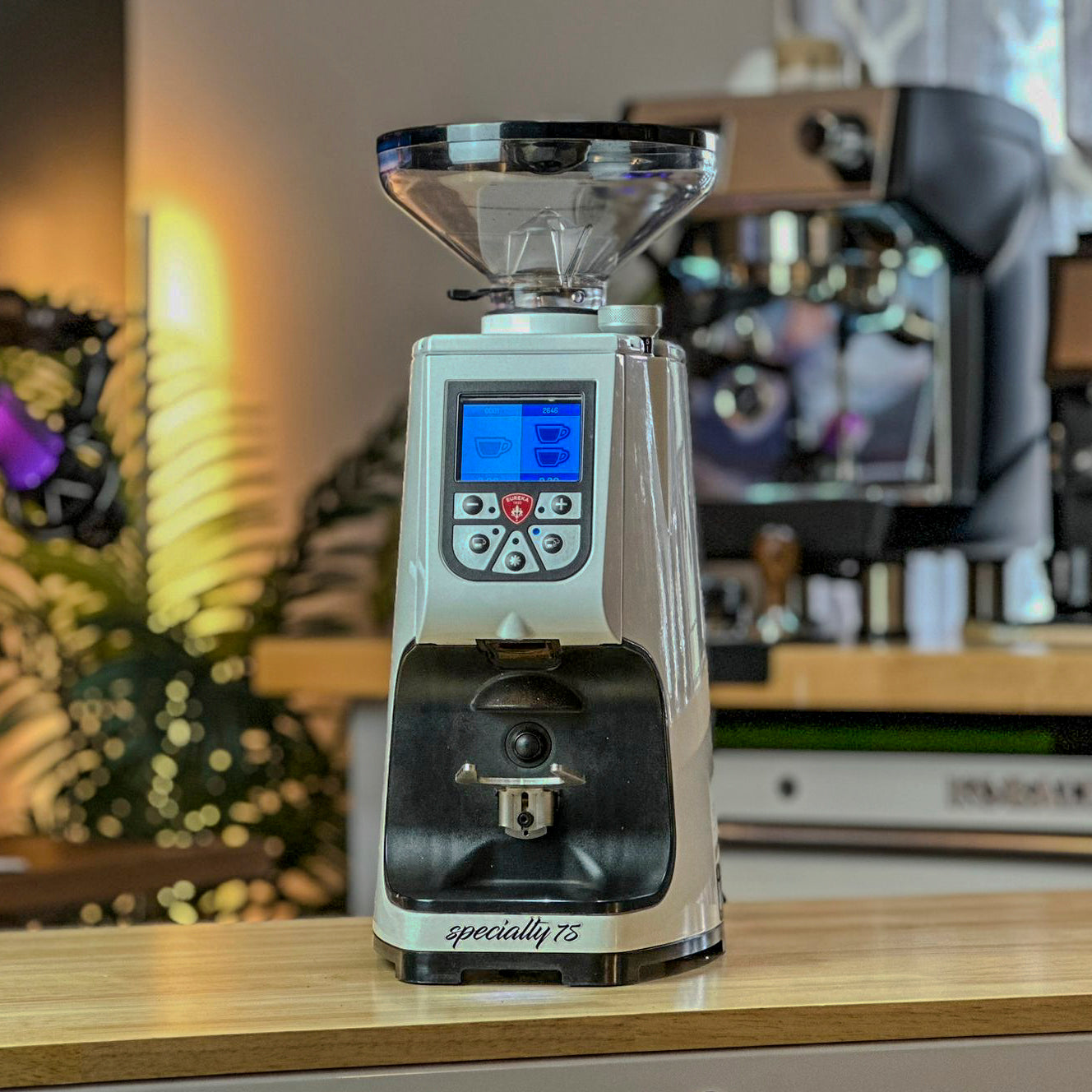

A quality burr grinder is one of the most important parts of a home coffee setup. This collection includes home coffee grinders for espresso, pour-over, drip coffee, AeroPress, French press and cold brew, with options ranging from compact hand grinders to premium single-dose, timed-dose and grind-by-weight models.
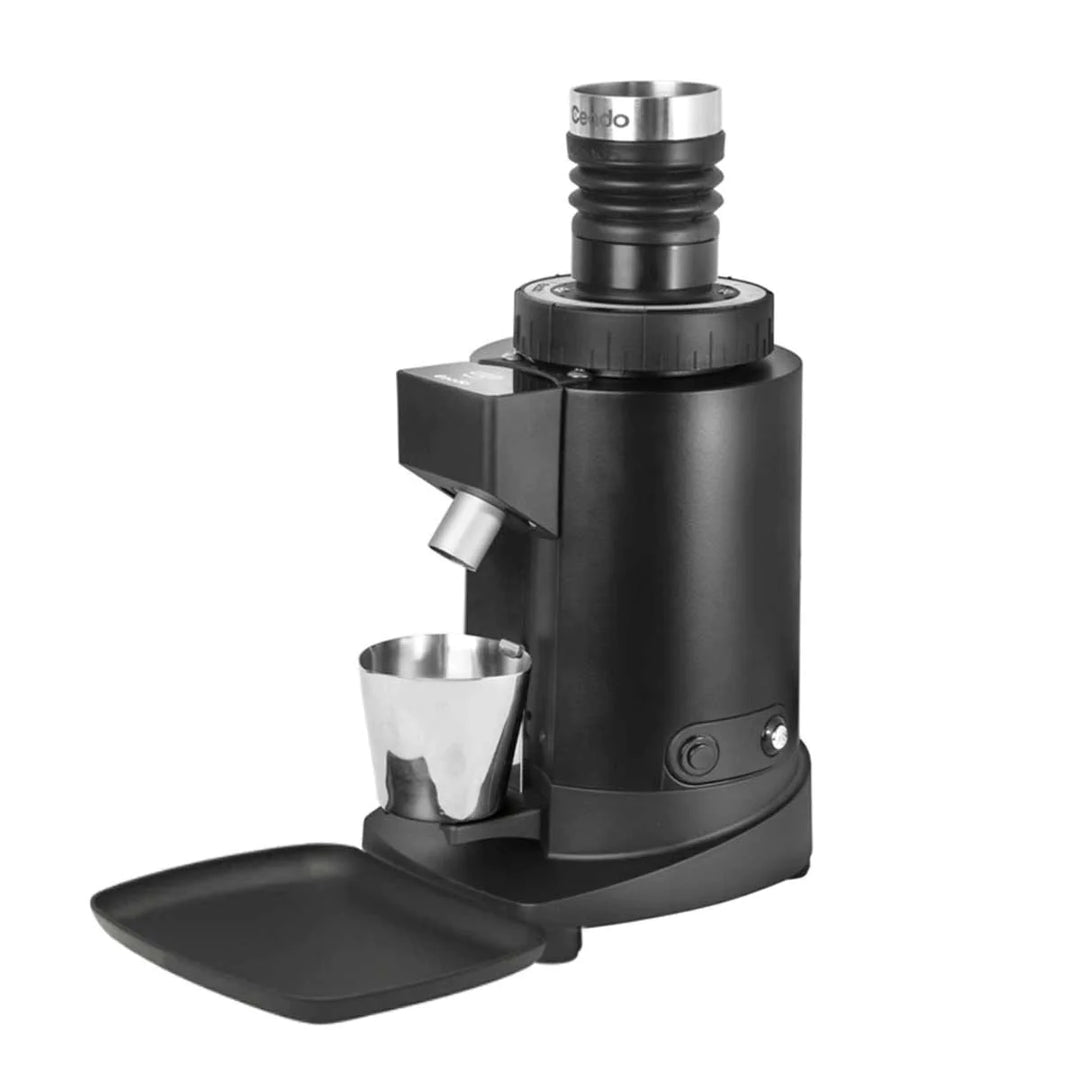
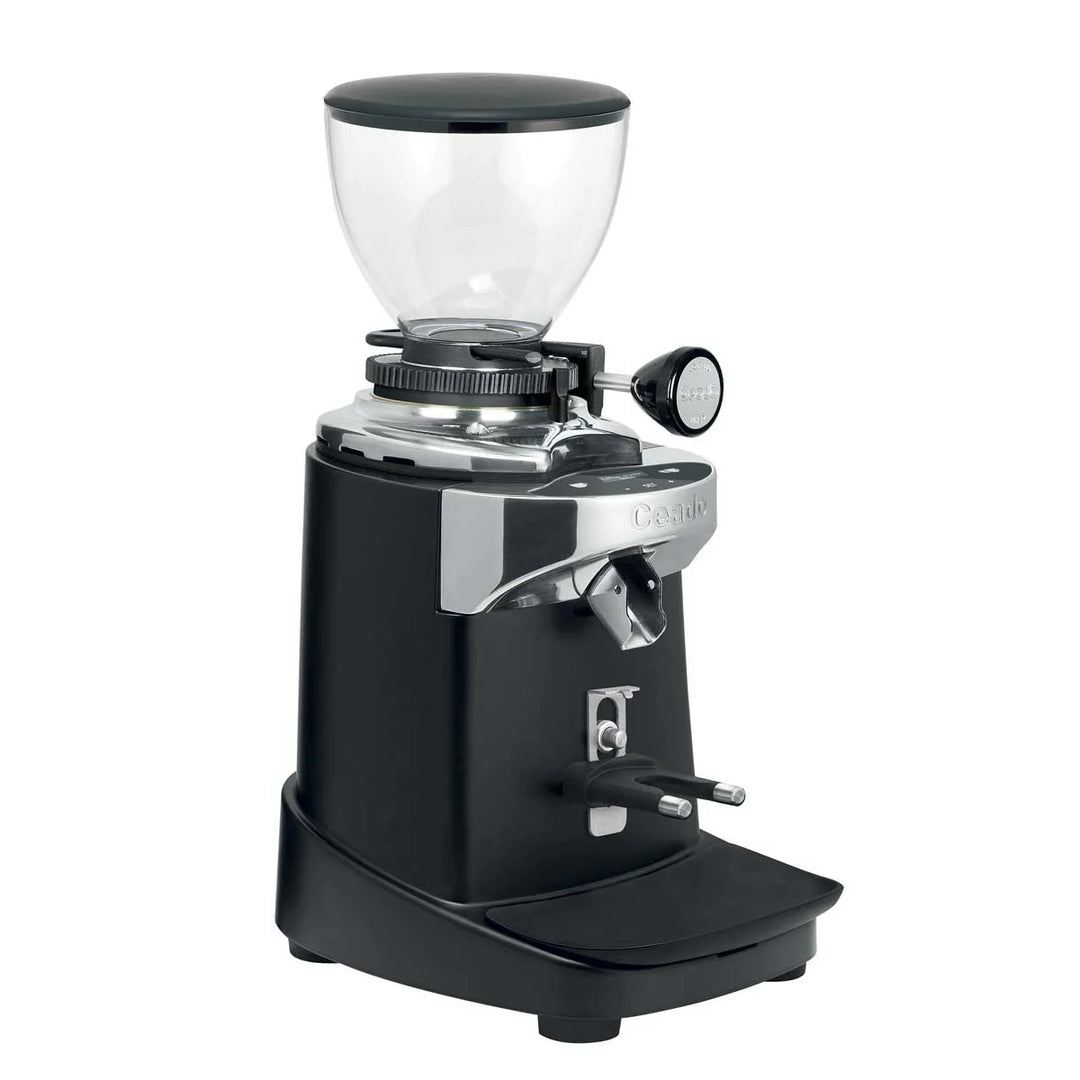
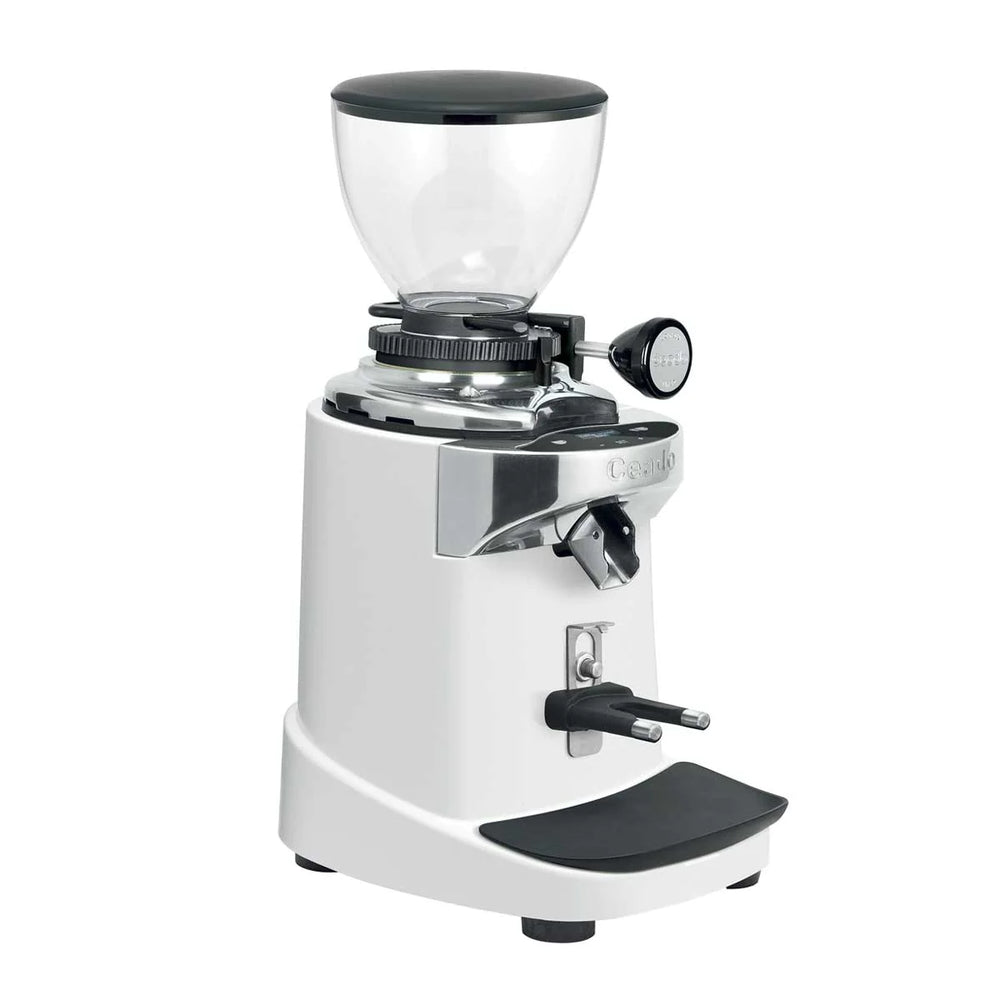
Use the products and filters below to compare grinders, or open the buying guide for help choosing the right burr style, adjustment system and dosing workflow. You can also browse Turin grinders, Eureka grinders, Ceado grinders, Fiorenzato grinders or grind-by-weight grinders.
Open the Home Coffee Grinder Buying Guide
How to Choose a Home Coffee Grinder
The best grinder depends on how you brew, how often you change coffees and what kind of workflow you prefer. Espresso requires very fine grinding and extremely small adjustments. Pour-over and other filter methods need a wider coarse range and a grind distribution suited to clean, even extraction. Some grinders handle both well, while others are designed primarily for one brewing style.
Espresso Grinders vs. Filter Coffee Grinders
For espresso, look for a grinder with precise stepped or stepless adjustment. A small change in grind size can noticeably change shot time, flow and flavor. Stepless grinders provide nearly unlimited adjustment between settings, which makes them especially useful for dialing in espresso.
For pour-over, drip coffee, AeroPress, French press or cold brew, the grinder should maintain consistency at medium and coarse settings. If you regularly switch between espresso and filter coffee, a single-dose grinder with an easy-to-read adjustment collar can make those changes more convenient.
Single Dose, Hopper or Grind by Weight?
- Single-dose grinders are loaded with one measured portion of beans at a time. They are ideal for changing coffees, keeping beans in sealed storage and minimizing old grounds carried into the next dose.
- Hopper grinders with timed dosing store beans in the hopper and grind for a programmed amount of time. They are convenient for households that use the same coffee every day and want a faster routine.
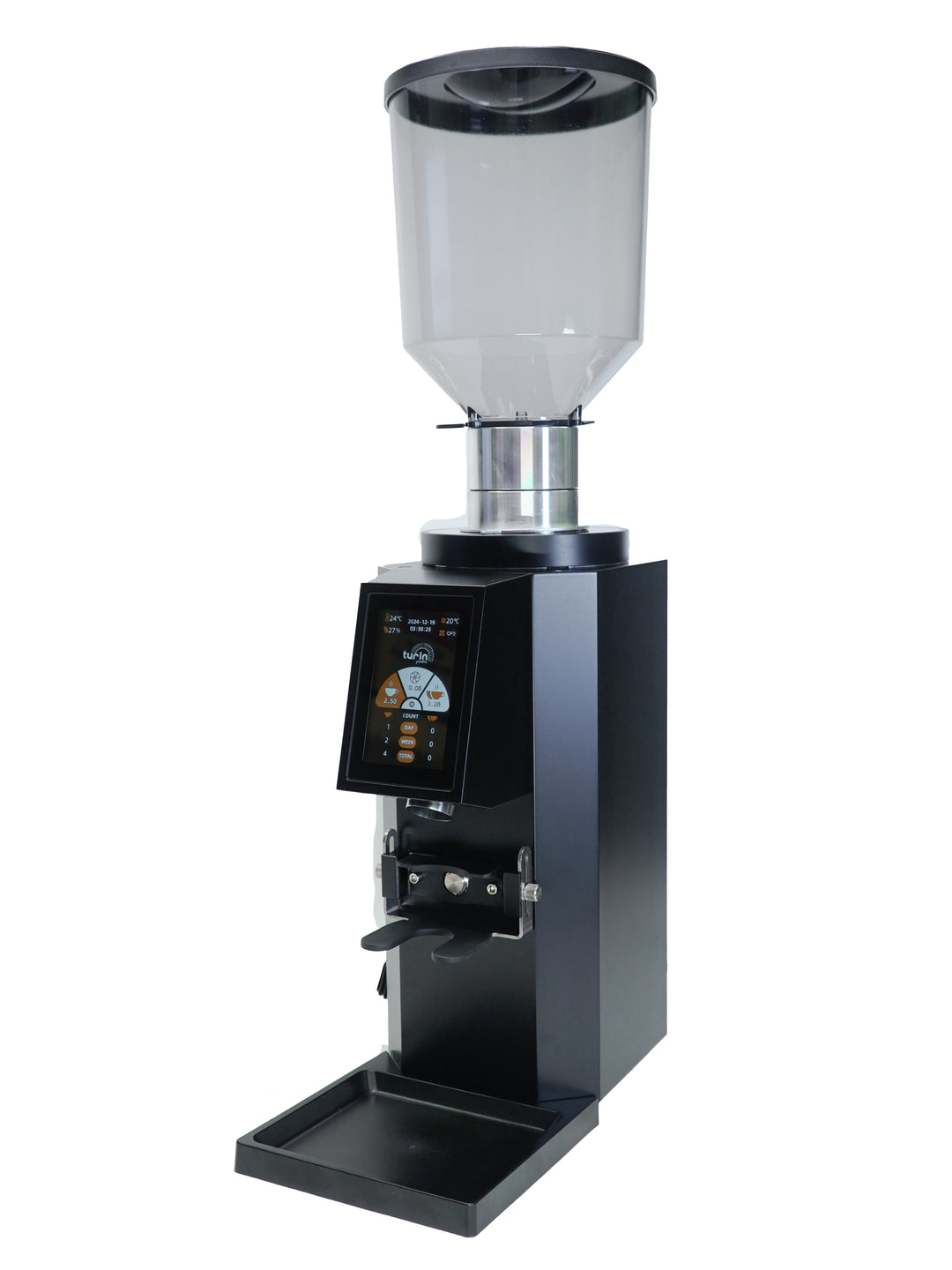
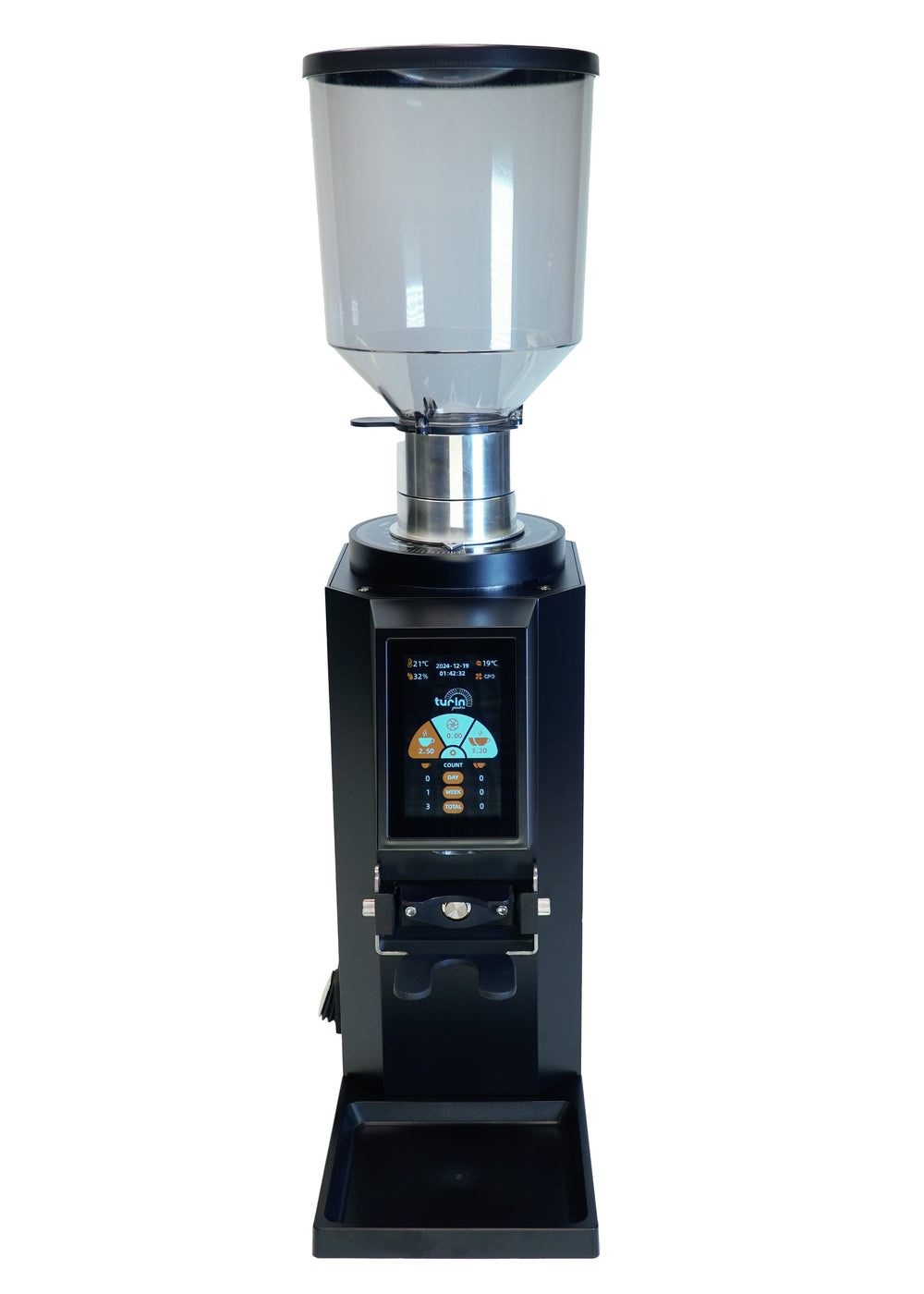
- Grind-by-weight grinders use an integrated scale to stop at a target weight. They reduce weighing steps and are useful when speed and repeatability matter.
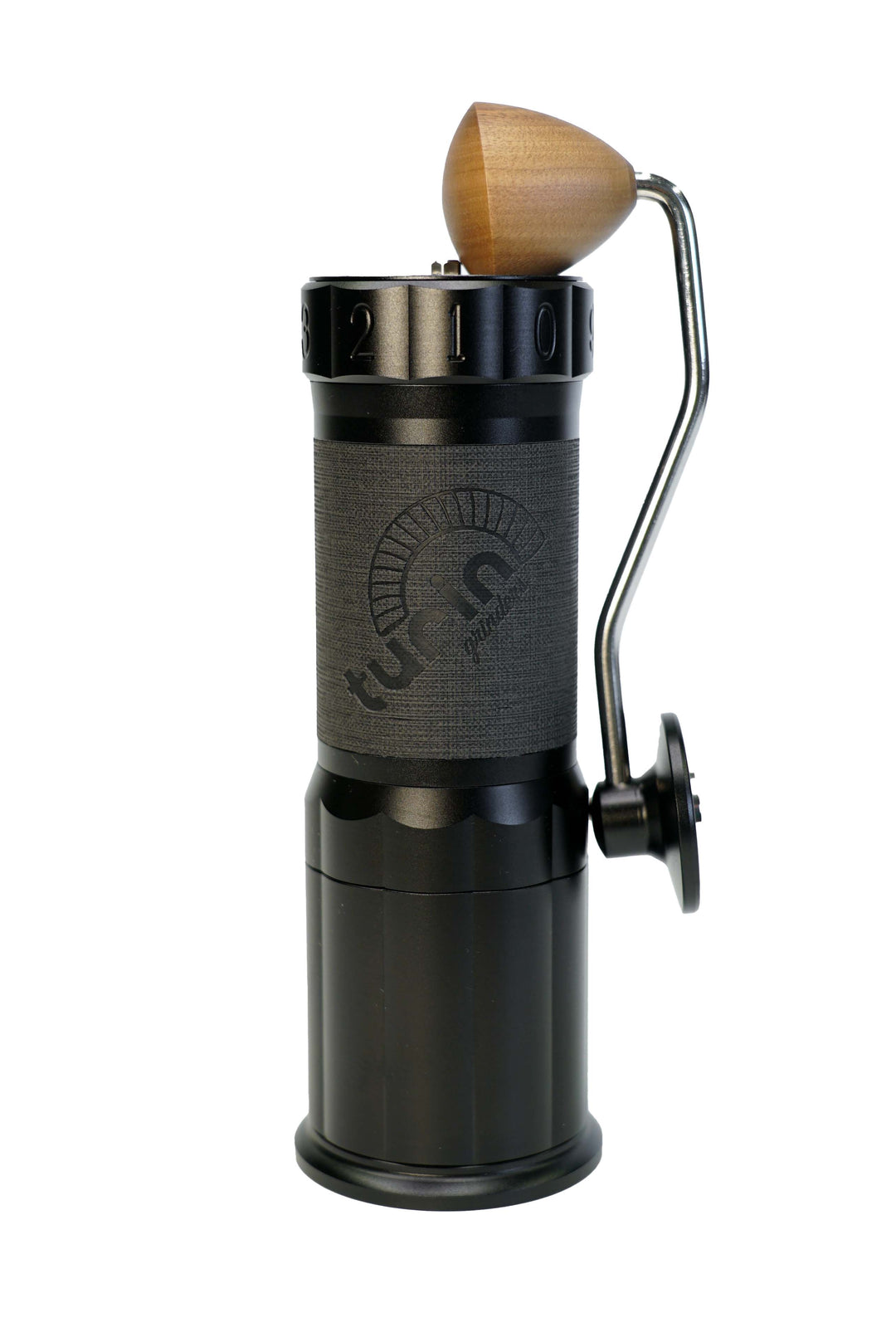
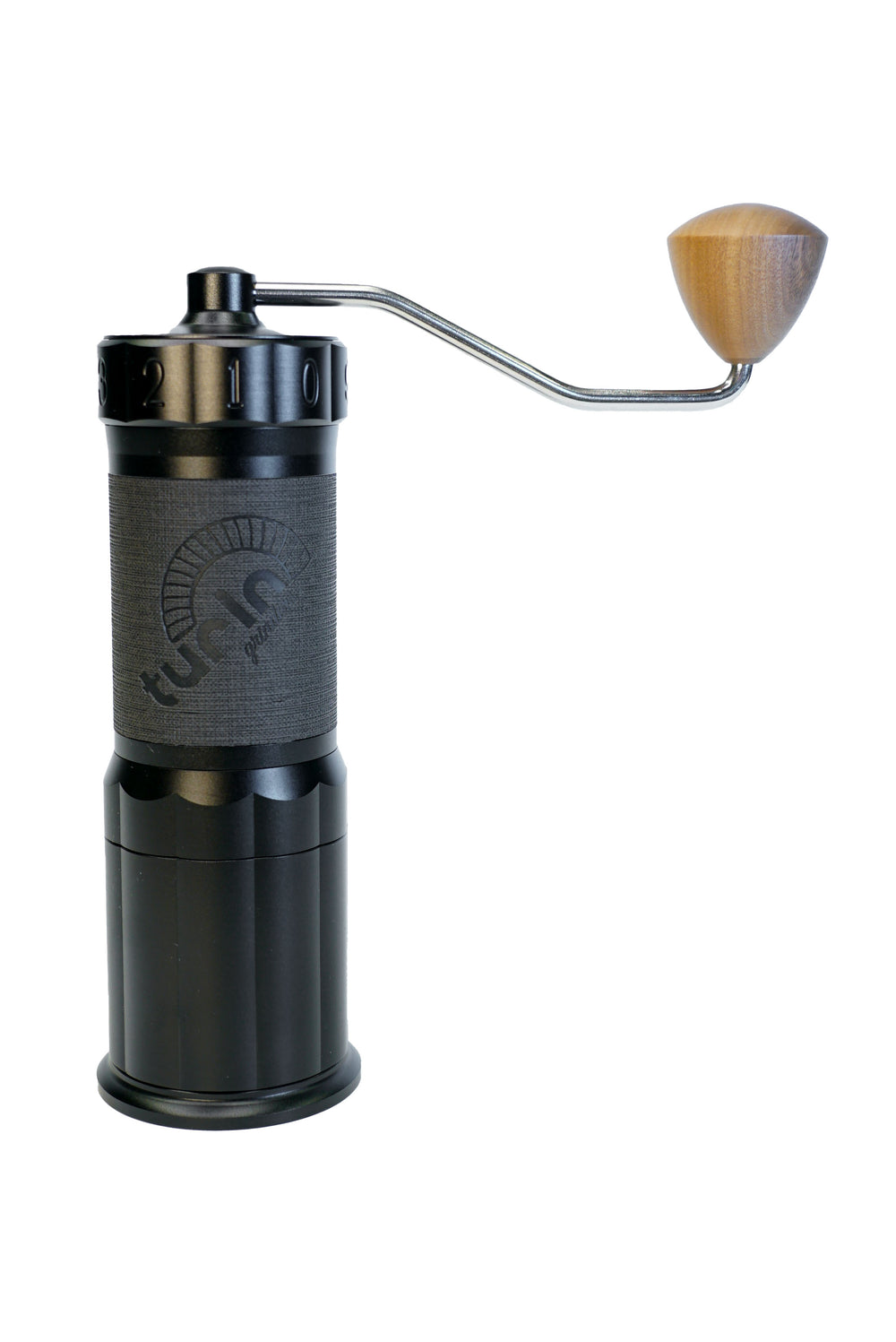
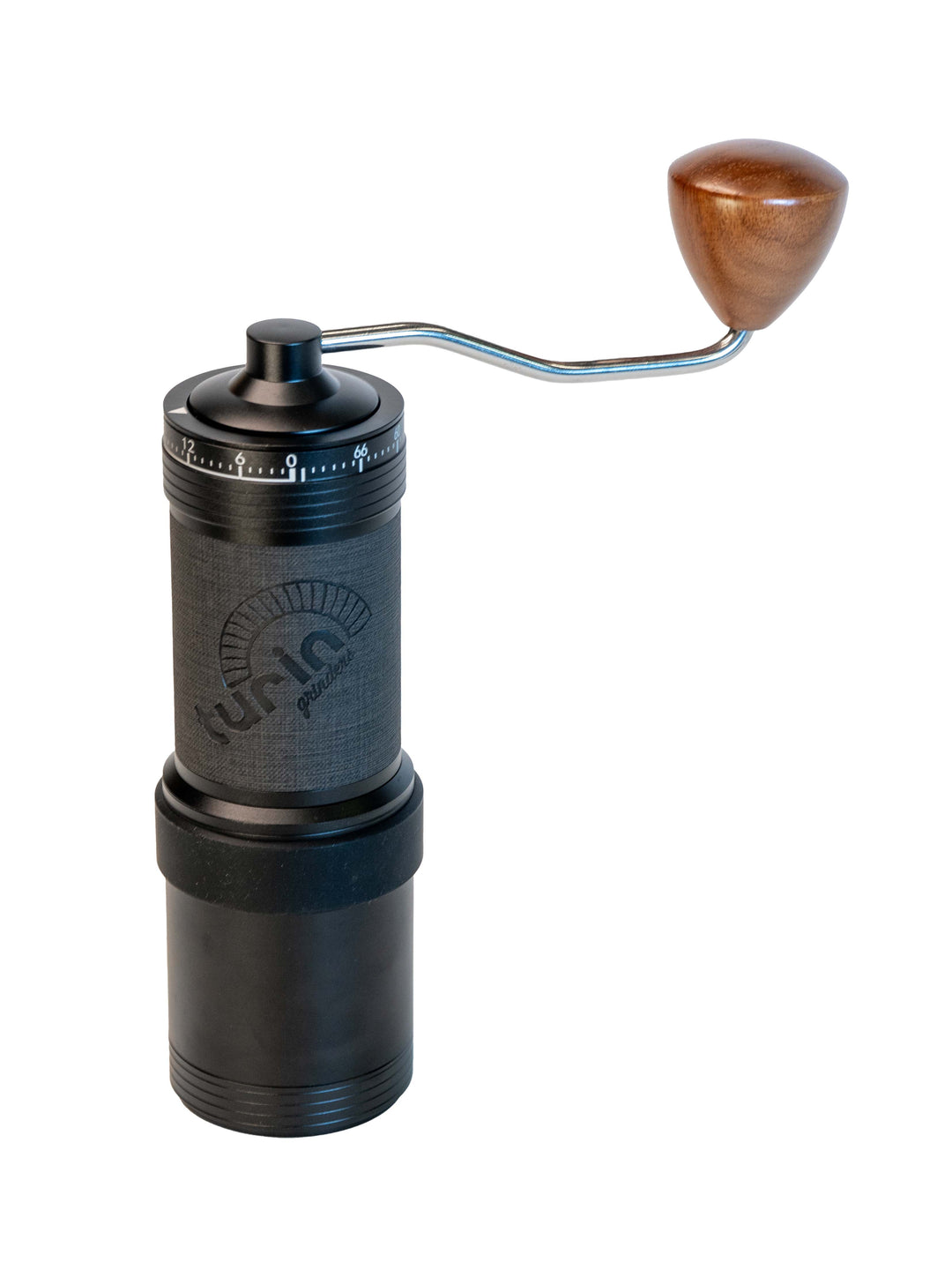
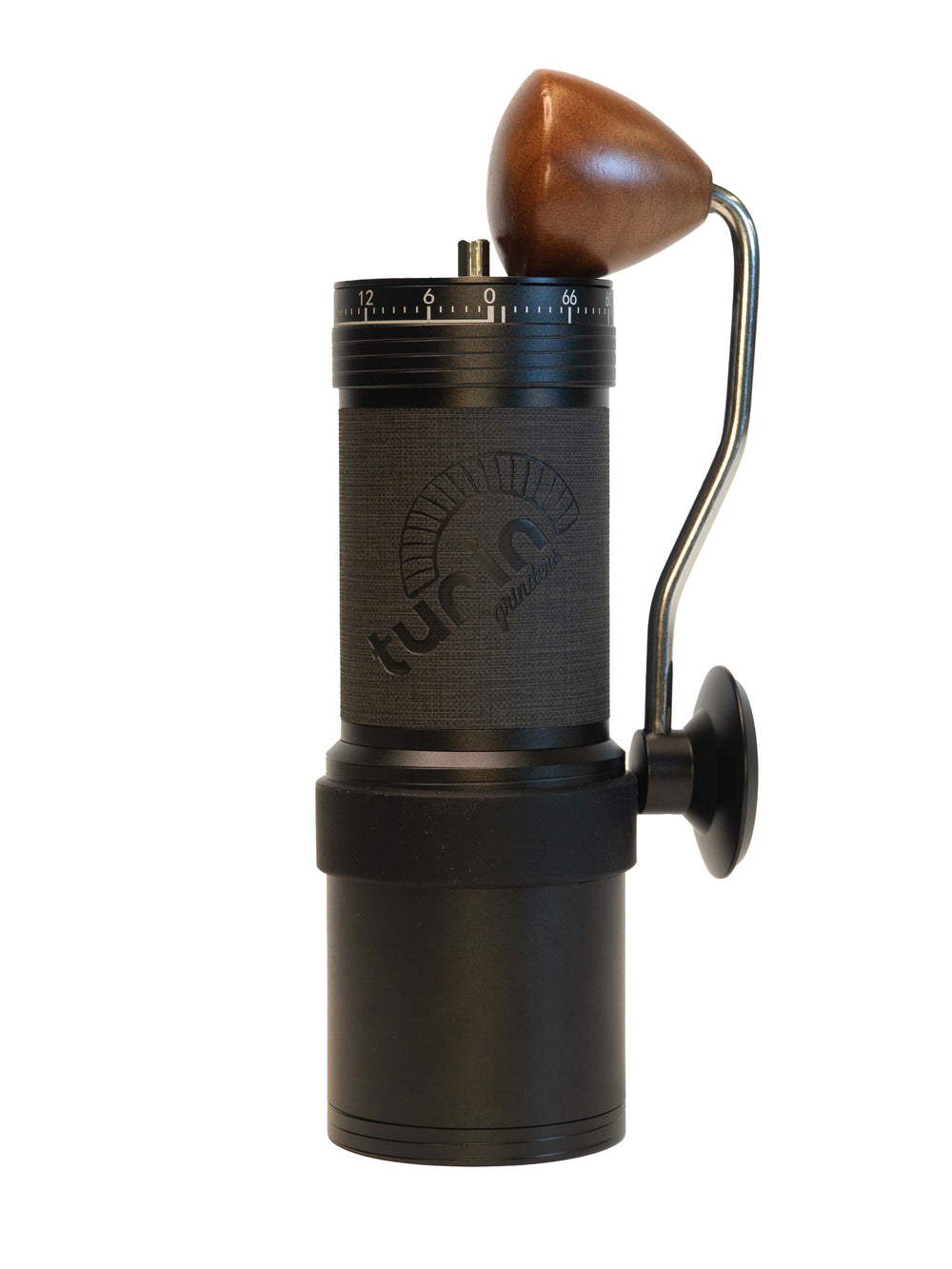
- Hand grinders are compact, quiet and portable. A well-designed manual grinder can provide excellent grind quality, although grinding fine for espresso requires more effort.
Flat Burrs vs. Conical Burrs
Flat-burr grinders use two flat cutting discs, while conical-burr grinders use a cone-shaped inner burr and an outer ring burr. Flat burrs are common in modern espresso and single-dose grinders because they can offer high consistency and access to different aftermarket burr geometries. Conical burrs are often compact and can produce a forgiving, full-bodied espresso profile.
Burr shape alone does not determine flavor. Burr geometry, alignment, rotational speed, coffee density and grind setting can matter as much as whether the burrs are flat or conical. Buyers interested in the technical side can read our guides to burr alignment, burr coatings and cast versus machined burrs.
Does Burr Size Matter?
Larger burrs can grind quickly and may provide more room for specialized cutting geometries, but bigger is not automatically better. Motor design, burr geometry, alignment, feed rate and workflow all affect performance. A well-designed 54mm or 64mm home grinder can be a better match for many users than a larger commercial-style grinder that occupies more counter space.
Match the Grinder to Your Priorities
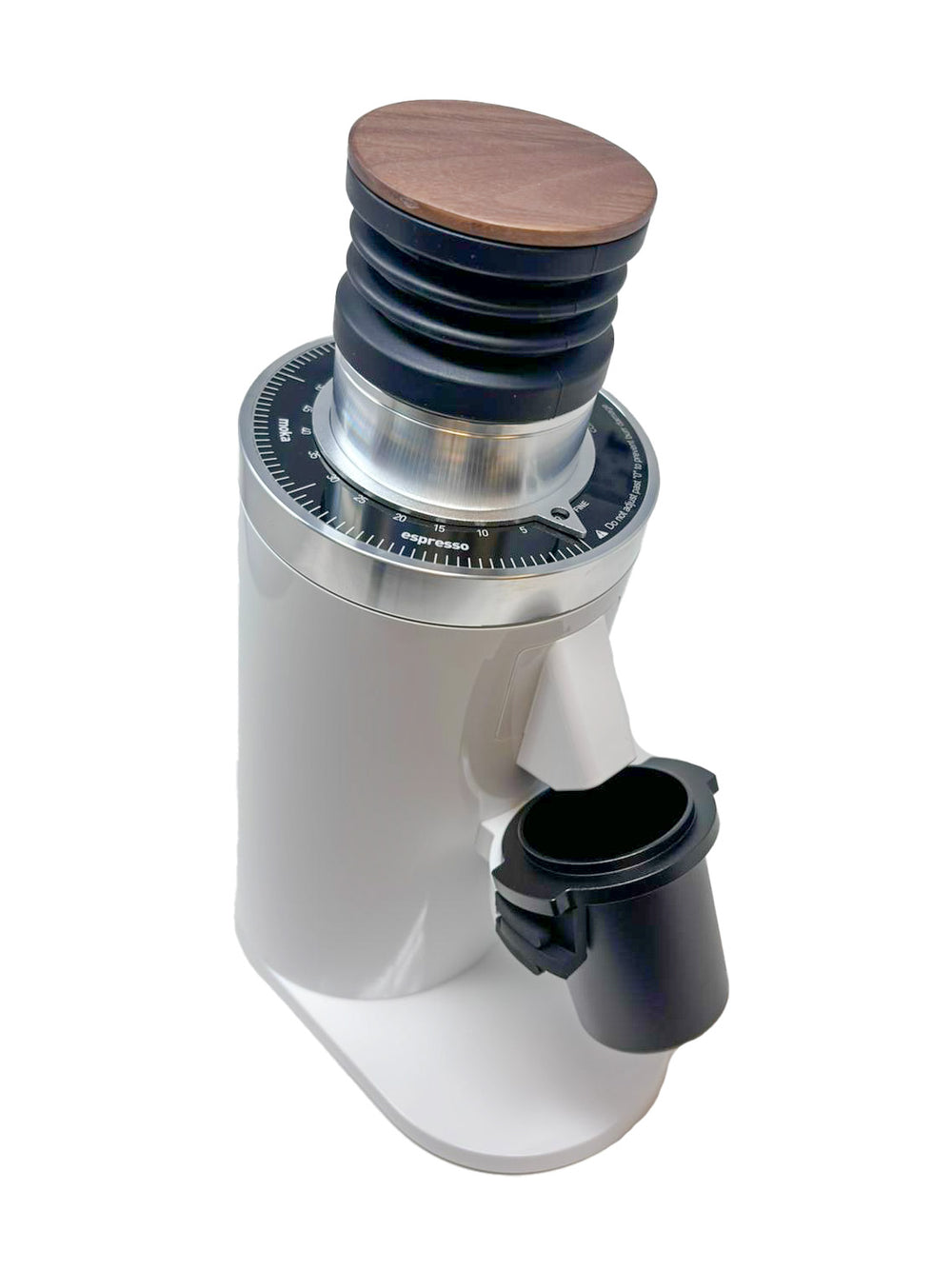
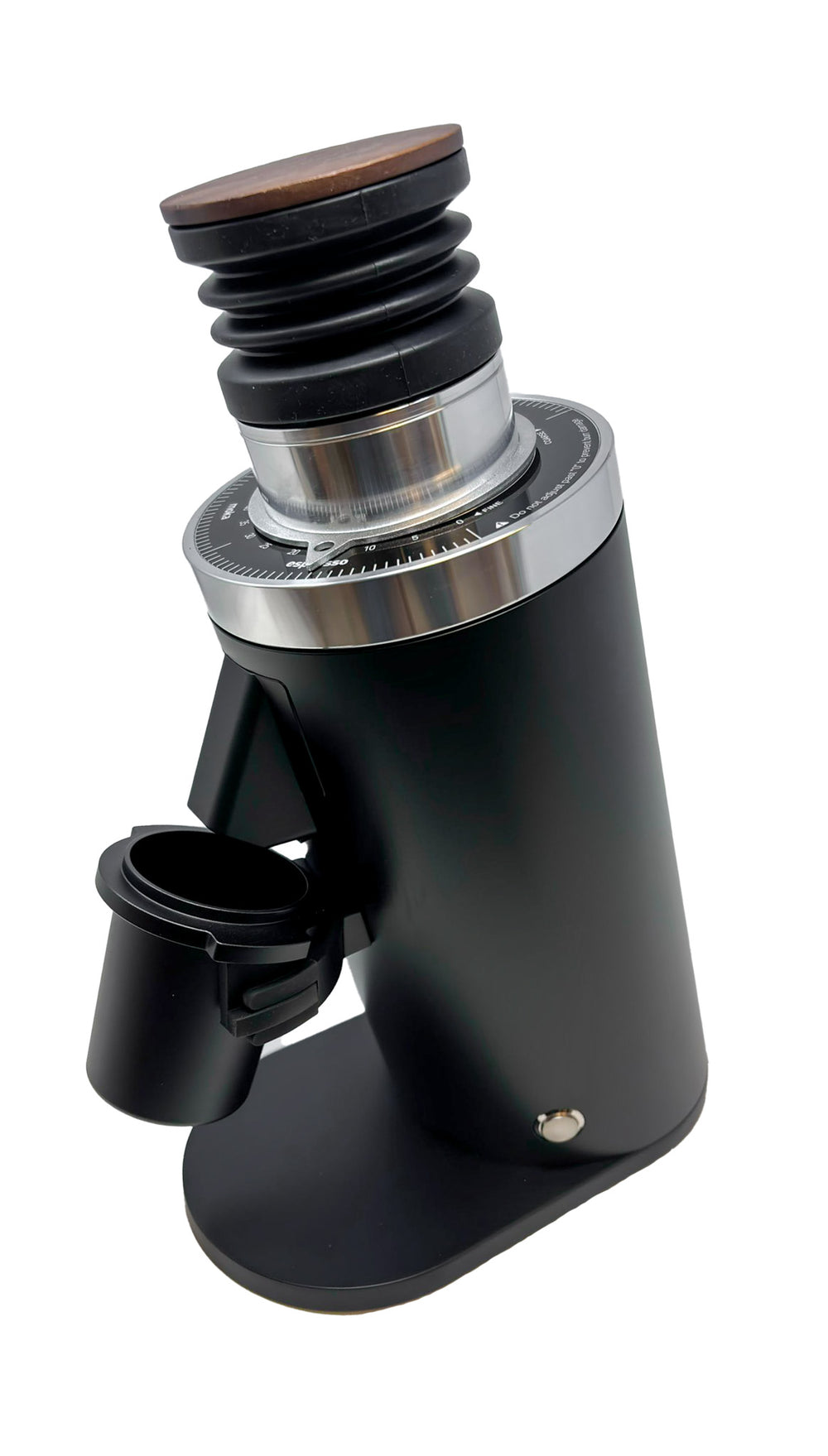
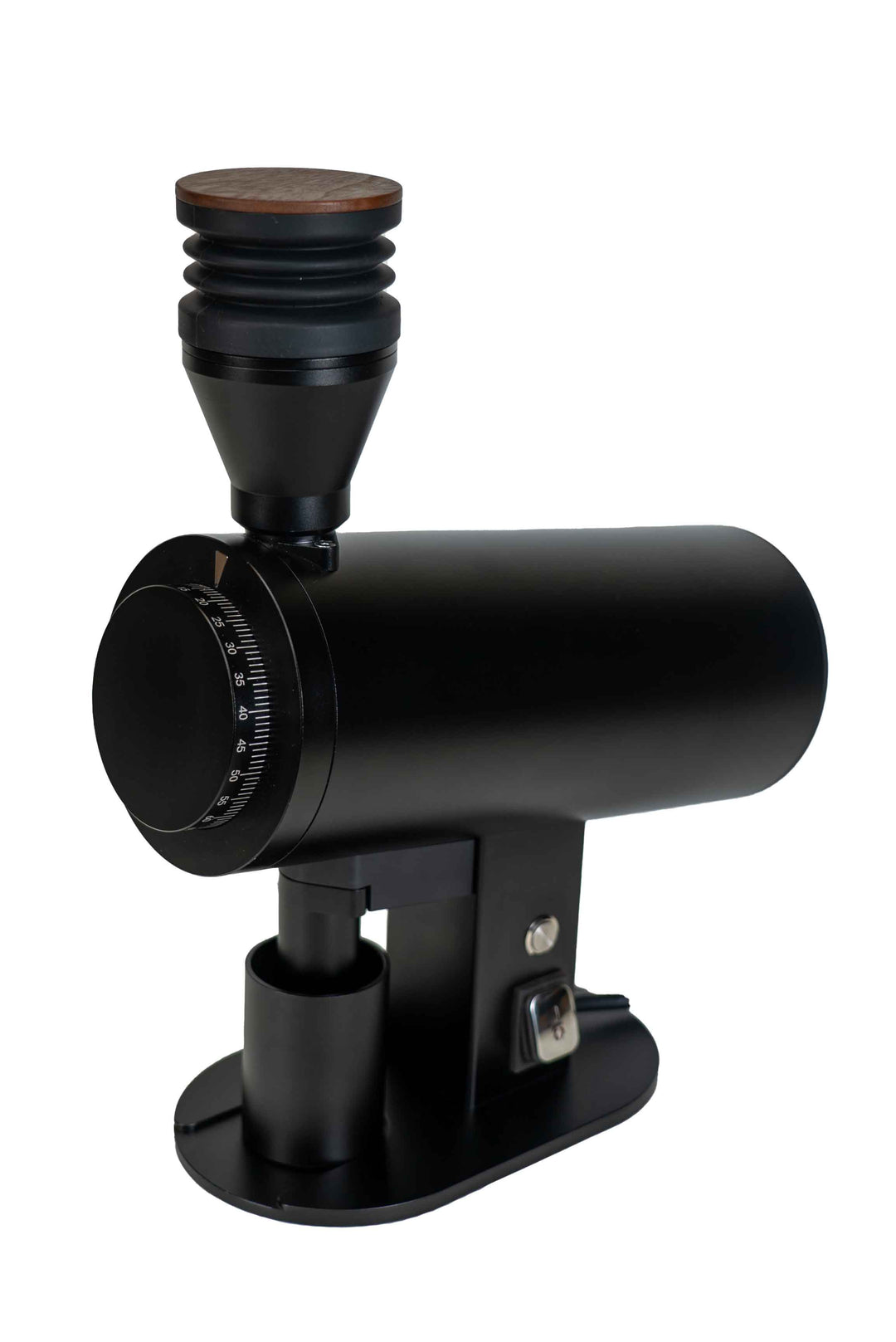
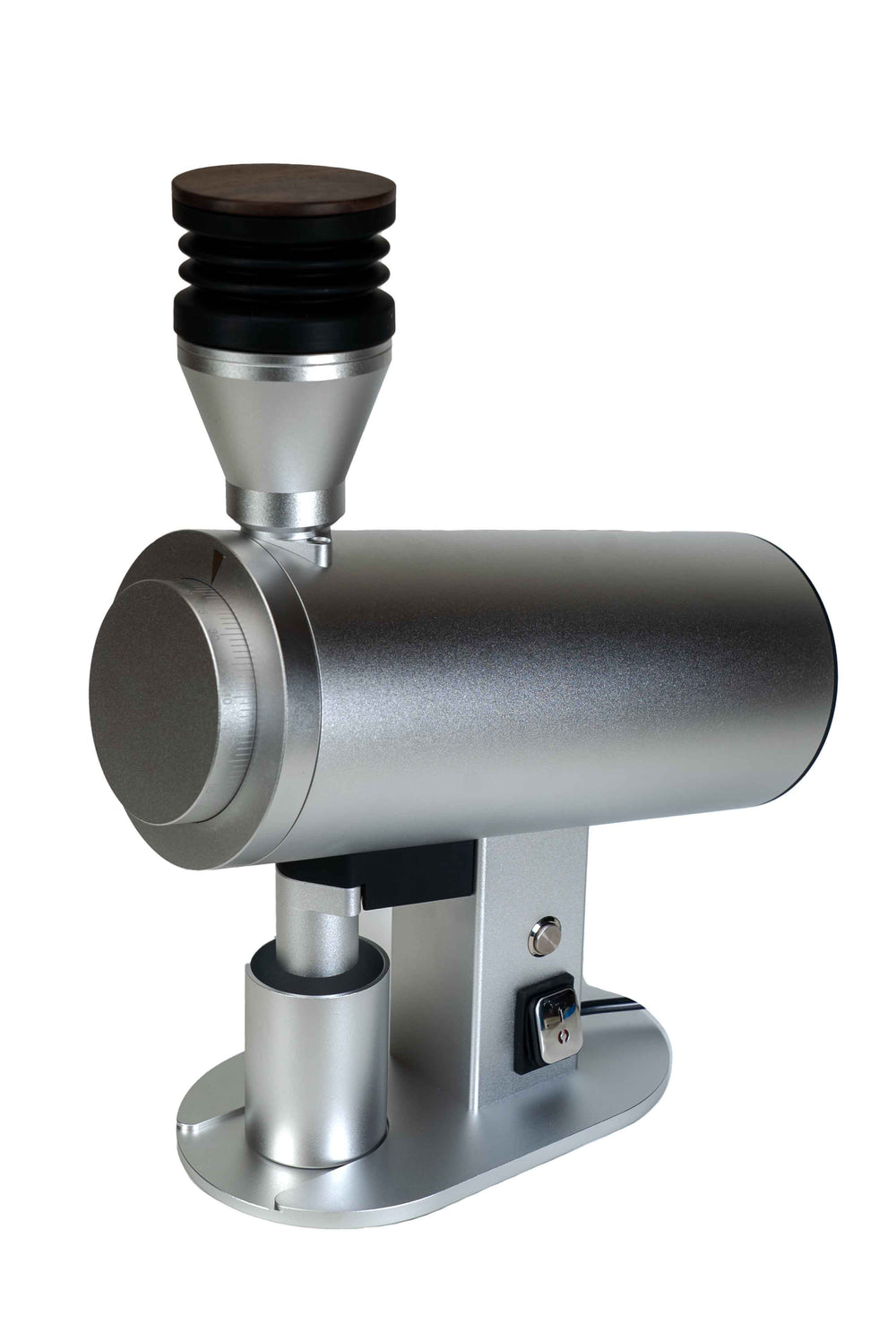
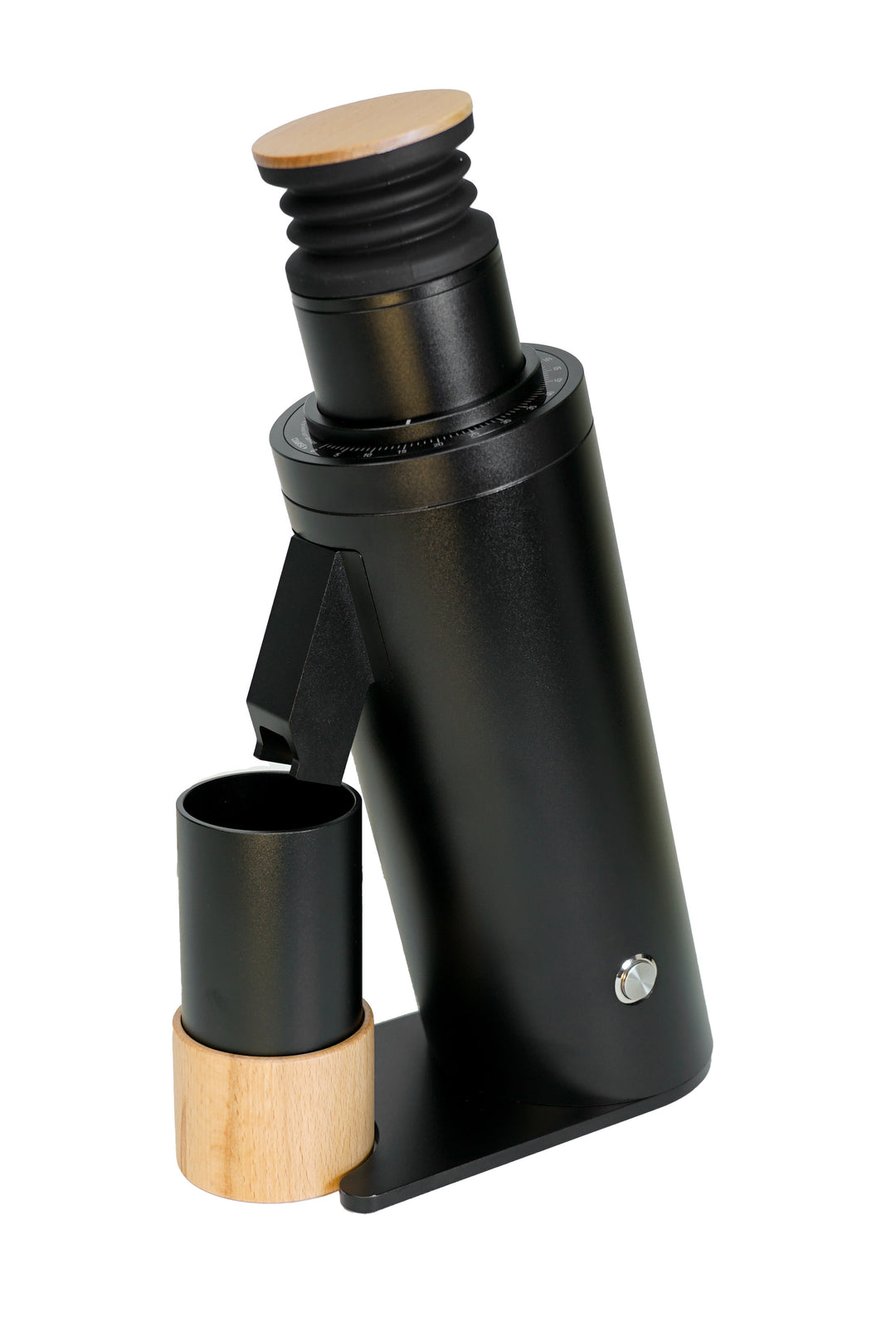
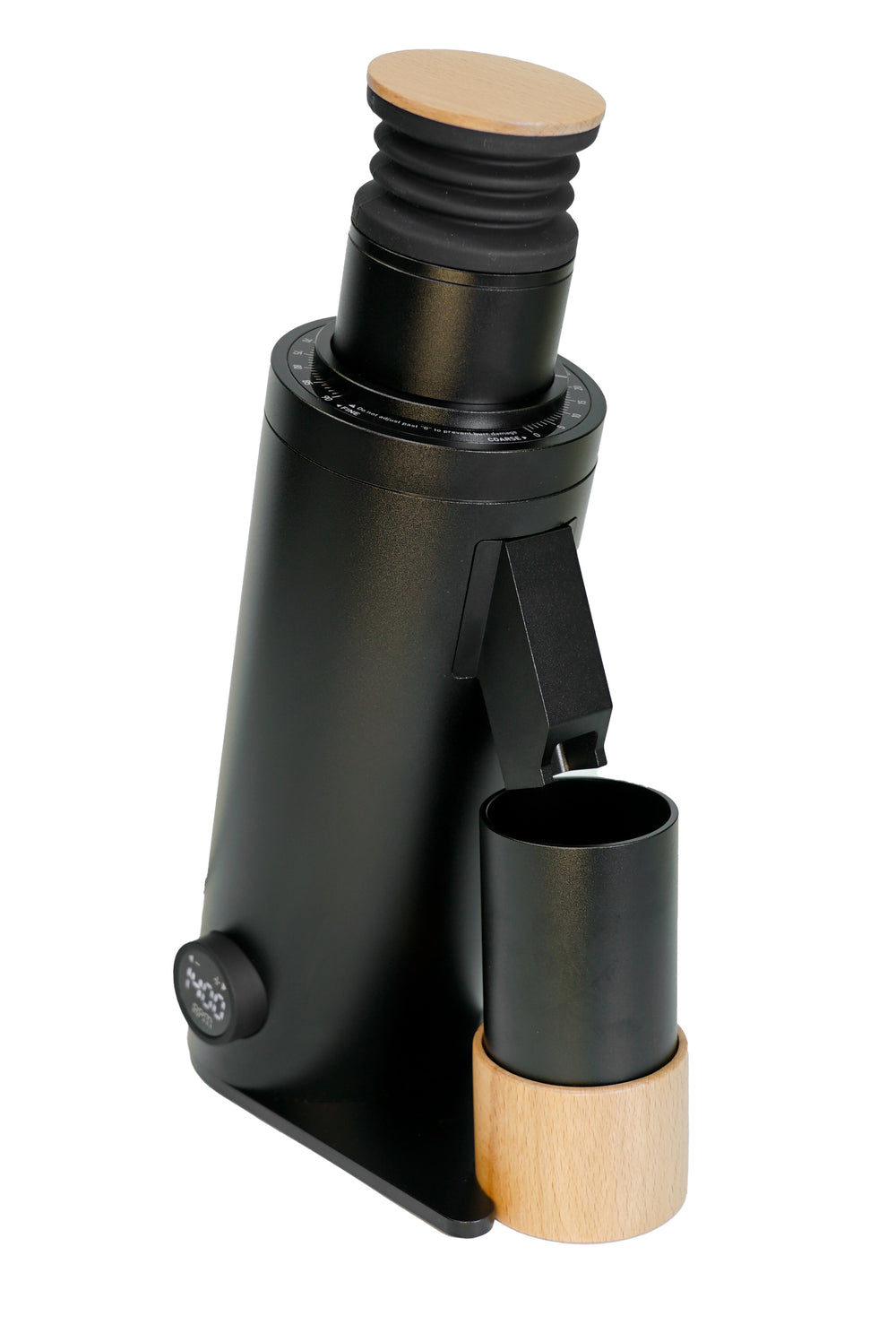
- Affordable single dosing: Start with compact flat-burr models such as the Turin DF54.
- Burr flexibility and future upgrades: A 64mm platform such as the Turin DF64 Gen 2 provides access to a broad range of compatible burr options.
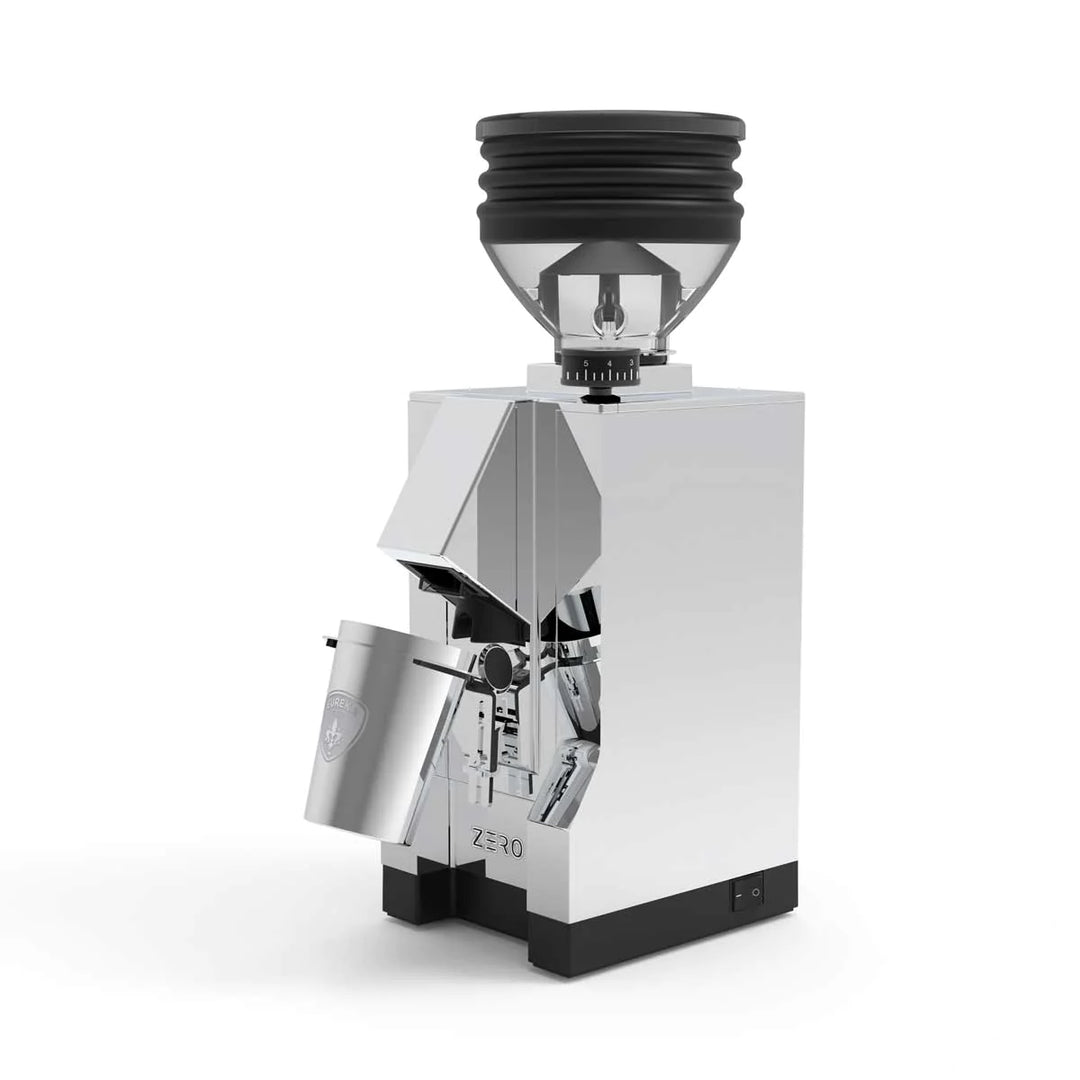
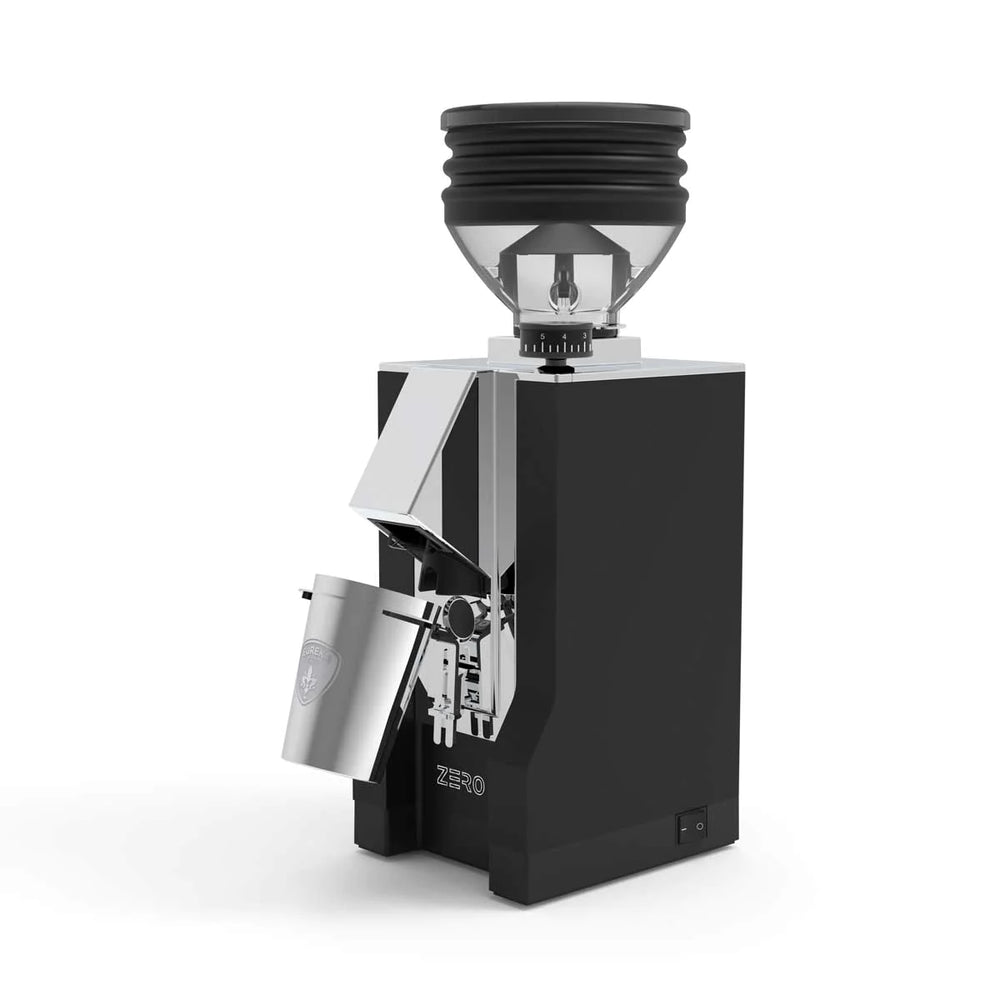
- Quiet, compact espresso workflow: The Eureka Mignon Zero 55 combines a small footprint with single-dose operation.
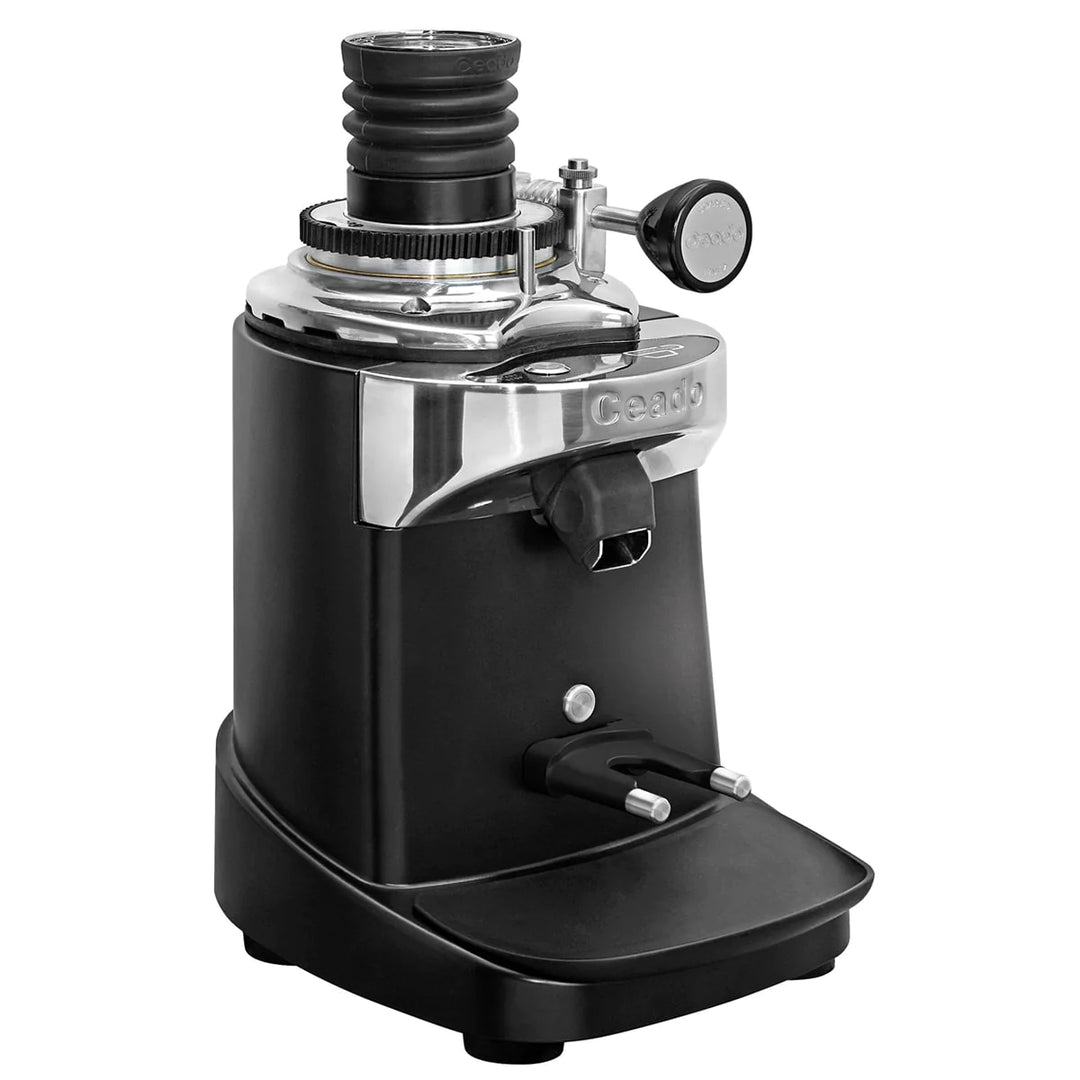
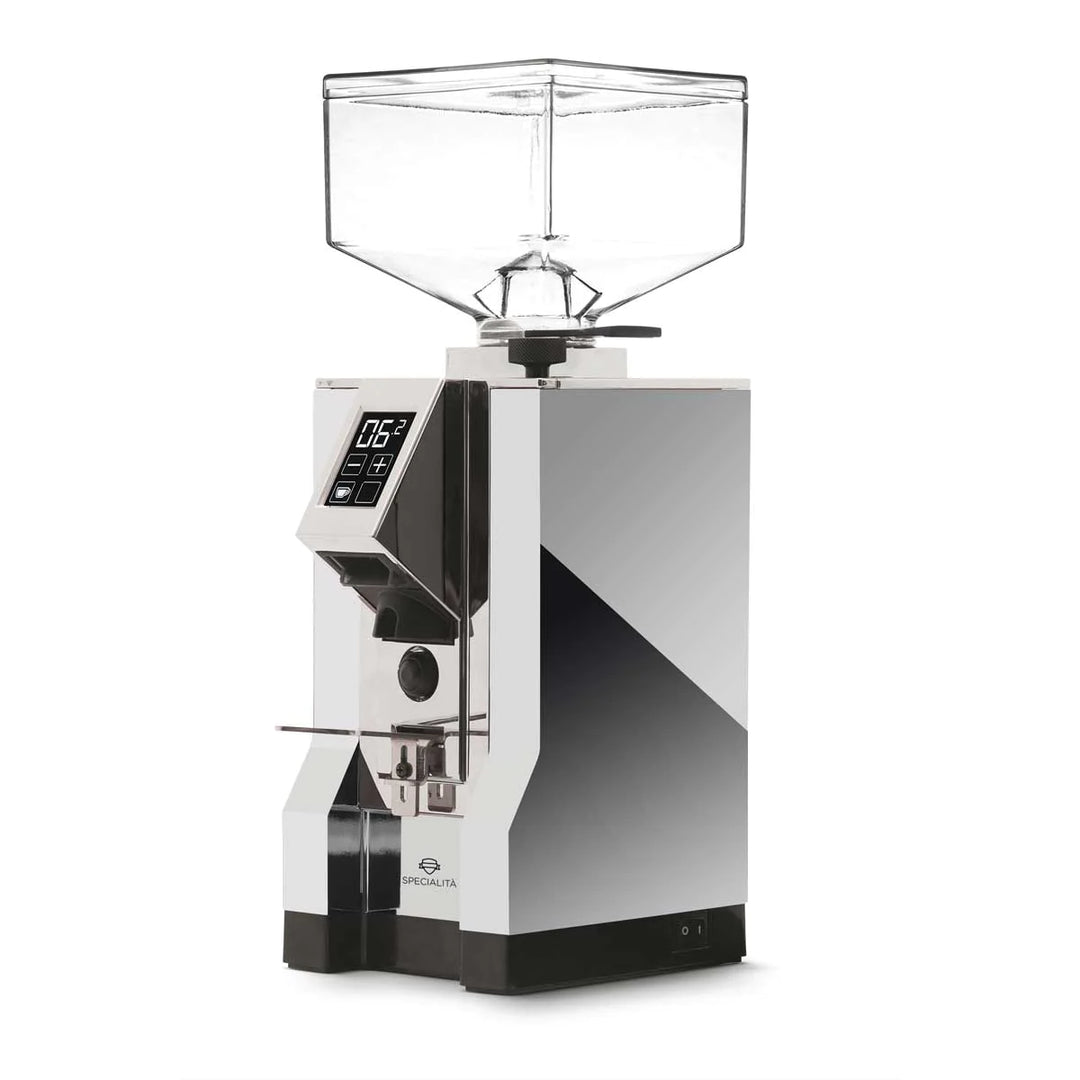
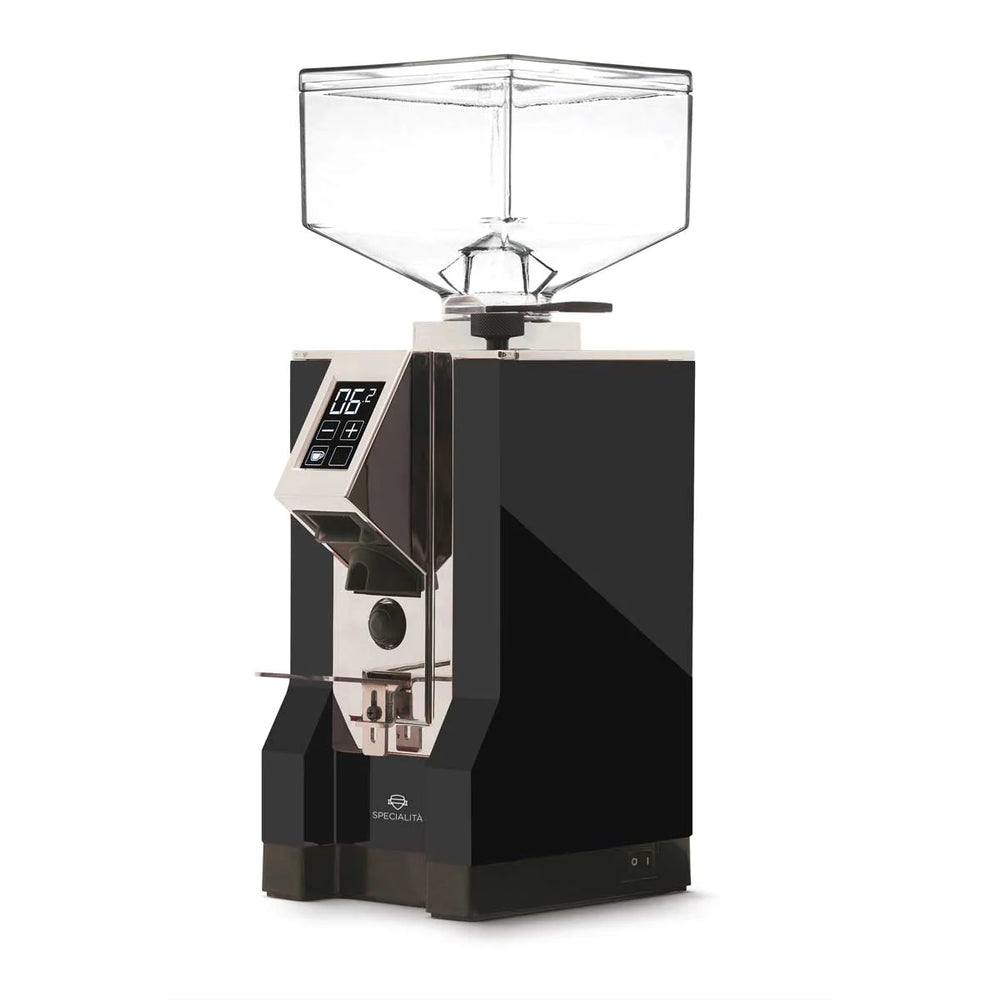
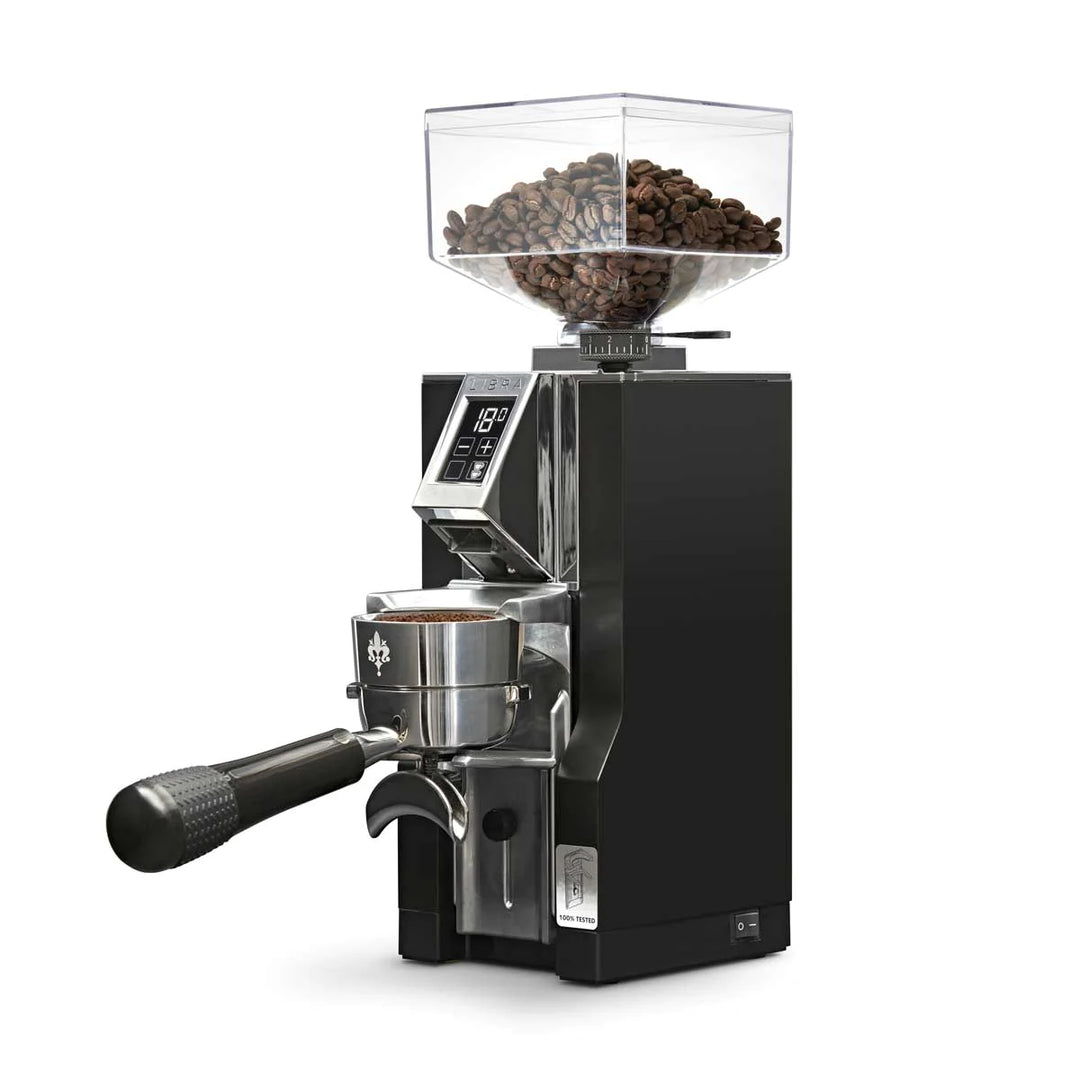
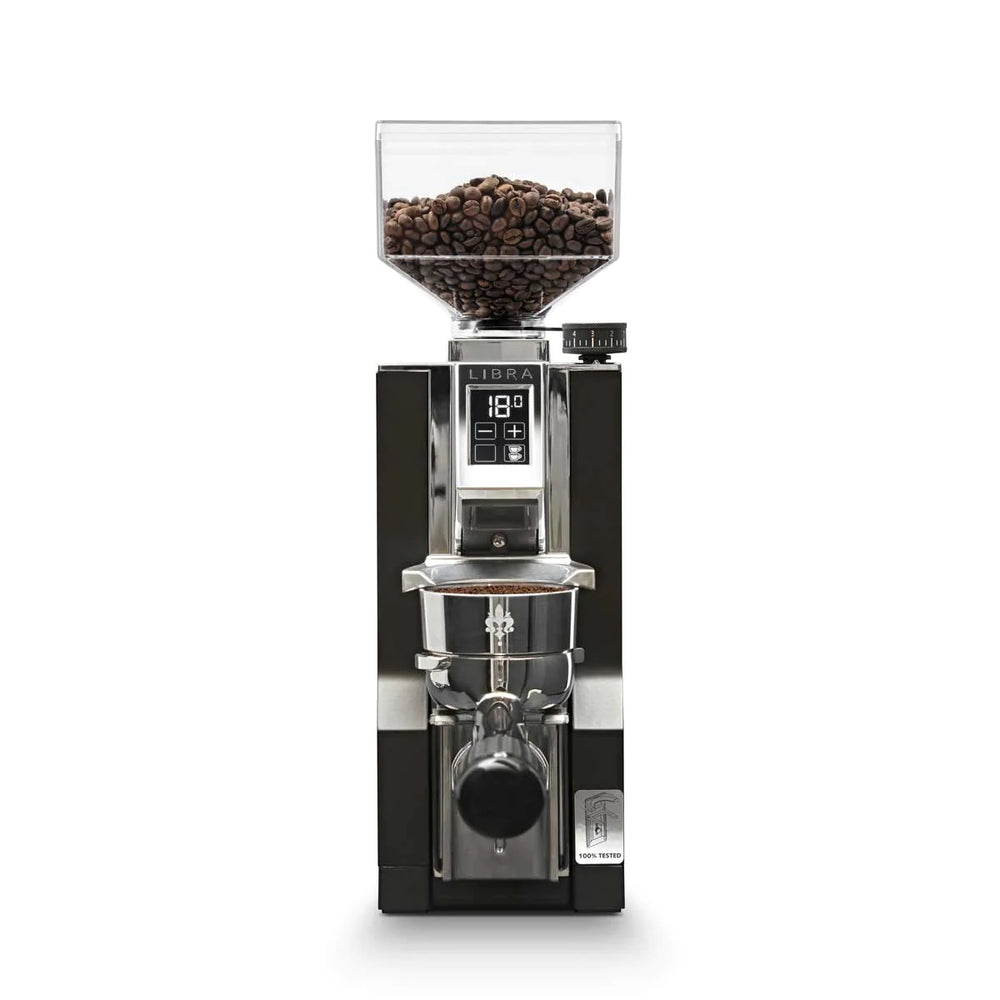
- Fast, repeatable dosing: Explore the Eureka Mignon Libra 65 AP and the complete grind-by-weight collection.
- Experimenting with coffee and RPM: Consider a variable-speed grinder if you want to test how rotational speed affects feeding, workflow and the cup.
Other Features Worth Comparing
Look beyond burr diameter when comparing grinders. Consider retention, static control, noise, adjustment feel, motor type, dosing-cup or portafilter compatibility, cleaning access, dimensions and replacement-part availability. For espresso, small adjustment changes and repeatability are especially important. For households, noise and countertop space may matter just as much as maximum grinding speed.
Why Buy a Home Grinder from Espresso Outlet?
Espresso Outlet specializes in coffee grinders, espresso machines and home-roasting equipment. Our selection includes value-focused grinders, established Italian brands and enthusiast models with upgraded burr and workflow options. Product pages contain model-specific specifications, current availability and applicable warranty information so you can compare before ordering. Support and service are available in the United States for equipment purchased from Espresso Outlet.
Open the Home Coffee Grinder FAQs
Home Coffee Grinder FAQs
What type of grinder is best for home espresso?
A burr grinder with fine, precise adjustment is best for home espresso. Stepless adjustment is popular because it allows very small changes while dialing in a shot. Choose between single dosing, timed dosing and grind by weight based on your preferred workflow.
Can one coffee grinder work for both espresso and pour-over?
Yes, many grinders have enough range for both espresso and pour-over. A single-dose design is especially convenient when changing beans or moving between fine and coarse settings. However, users who switch methods several times per day may prefer separate grinders to avoid repeated dialing in.
Is a flat-burr grinder better than a conical-burr grinder?
Neither design is universally better. Flat and conical grinders can both produce excellent coffee. The specific burr geometry, grinder alignment, adjustment system and intended brewing method are more useful comparison points than burr shape alone.
What is a low-retention coffee grinder?
A low-retention grinder is designed to leave very little ground coffee inside the chamber and chute. Lower retention reduces waste and limits the amount of older coffee mixed into the next dose. No grinder retains absolutely zero coffee in every condition.
Do I need a grind-by-weight grinder?
No, but grind by weight can simplify a busy routine. The grinder measures grounds during operation and stops near the programmed target. Single-dose users normally weigh beans before grinding instead.
How much should I spend on a home coffee grinder?
Spend enough to get the adjustment precision required by your brewing method. Espresso generally benefits more from investing in the grinder because tiny grind changes affect extraction. Price also reflects burrs, motor design, noise control, dosing technology, construction and serviceability.
How often should a coffee grinder be cleaned?
Light cleaning should be performed whenever grounds or oils begin to accumulate, and more thorough cleaning should be done periodically based on use and roast level. Dark, oily coffee can require more frequent cleaning. Always follow the manufacturer’s instructions before removing burrs or internal parts.


















Let customers speak for us
Delicious
One of my favorite coffees because it hits all the notes in flavor.
David Velasco

Guatemala Huehuetenango MAM Single Origin
5 Star Service & Grinder
Purchased the Moshi C83 Conical Burr Grinder from Espresso Outlet and had a great experience. Joe was very responsive over email and answered all my questions quickly. The grinder shipped fast, was well packaged, and arrived in perfect condition.
The grinder itself has been excellent so far — solid performance and a really good value, especially with the one-year warranty. Highly recommend Espresso Outlet.
Jorge Carrillo

Moshi C83 Conical Burr Espresso Grinder
Digital Gap adjustment is Amazing
I bought both the Lita and the Milo. I had some concerns about grind retention after watching a few online reviews, but after using the Milo, I haven’t experienced any issues with this.
I really love being able to adjust the burr gap predictably and reliably digitally. It makes dialing in my beans much easier, and once I get a particular bean dialed in, I can save a profile for it and quickly return to those settings later.
Caleb Yaryan

Wendougee Milo Play Coffee Grinder
Great Machine
Great build quality and just the right amount of adjustability for pressure/flow profiling. I like being able to bind a basic profile to the grouphead button so others in my house can use it without needing to know anything about the advanced menus.
Caleb Yaryan

Wendougee LITA LA Espresso Machine
10/10
Excellent shipping and the product was just as described. It took my espresso to the next level!
Anonymous

OPEN BOX Turin DF64 Gen 2 Single Dose Coffee Grinder
Great Kaleido M10
I started working with Barret on a problem I was having on my son's M6 that we bought from someone else not knowing Expresso Outlet was the sole US Distributor. Barret got him back up and running so I bought a M10 for myself through Expresso Outlet. The unit showed up well boxed and padded. Came with alot of extras. Wired it up and it runs flawlessly. Many Thanks again to Barret for all the email responses we had over the last few months.
James Smyth

M10 Dual System 1.2kg Coffee Roaster (Kaleido & Artisan) - Version 2 Sealed - 120V
Great roaster, still getting the hang of it. Bew into roaster but was able to make some good coffee. Really excited on continuing to learn how to use it more!
Gilson

Kaleido M2 LITE 500g Coffee Roaster (Artisan System)
Great customer service
Had my grinder for almost 3 years and the button stopped working. Sent in an inquiry. No question asked and received a new button in a week.
Anonymous
Espresso Outlet LLC
Great roaster
Great roaster, it helped me step up my batch incredibly. Still fast, able to pump out 1lb easily. Learning curve as to be expected but I would suggest this brand to others.
Garry Young

M6 Pro 700g Coffee Roaster (Artisan System) - Version 2 Sealed
Fantastic roaster. Upgraded from a m1 also have a 3e hot air roaster. Learning curve is steep but will worth jt if you stick wirh it
Ryan
Kaleido M2 LITE 500g Coffee Roaster (Artisan System)
Worked great
Worked great, fixed my problem and they shipped it out quickly at no cost. Much appreciated when a company doesn't leave their customers hanging. Much appreciated!
Christopher Graham

DF54 Upgrade Kit
Simply the Best!
Joe and Barrett are amazing at customer service. It is what gives me the confidence to buy their products.
Brian Luc
Espresso Outlet LLC

Great customer service!
Great customer service! Joe was very patient and helpful when I had challenges with my setup. Satisfied customer. Thank you!
Angela Clark
Espresso Outlet LLC