

Opening a Coffee Shop With No Barista
Coffee Business Resource Center
You can open a coffee shop without first spending years behind a bar. You do need a plan for learning the work and getting experienced help where it matters.
The biggest gap usually isn't pouring a heart in a latte. It's knowing whether the drinks are consistent, whether a busy shift is running well, and whether the person training your staff is teaching a repeatable method.
If you're starting a coffee cart, that gap can become especially visible. You may be the owner, barista, cashier, and person troubleshooting the water supply at the same event.
Learn enough to judge the work
You don't have to become your best barista before opening. Aim to understand the core jobs well enough to recognize a problem and have a useful conversation about it.
That means setting up the bar, preparing espresso to a recipe, steaming and portioning milk, making the menu drinks, cleaning the equipment, and closing down properly. It also means knowing which problems need a technician rather than more experimentation.
Spend time doing the less attractive parts: restocking during service, cleaning a sticky counter, recording waste, and finding a missing item while an order waits. Those jobs influence the working day as much as drink presentation.
Hands-on practice with an experienced trainer is especially useful because they can watch your technique and correct mistakes as they happen. Choose training around the equipment and menu you intend to use.
Ask your roaster what support is actually included
A wholesale coffee relationship may include training or help with recipes, but the scope varies. Ask before you build the opening plan around it.
Find out who trains you, how much time is included, whether staff can attend, and whether someone can help after the first session. Ask about the coffee recipe, grinder adjustment, menu development, ordering, and what to do when the coffee starts tasting different.
Bring concrete questions. “Can you help us establish a recipe on this machine and grinder?” is more useful than “Do you offer support?”
Separate coffee training from equipment service. A roaster who helps you dial in may not be responsible for repairing the machine or maintaining the water treatment.
Understand the recipe before chasing the clock
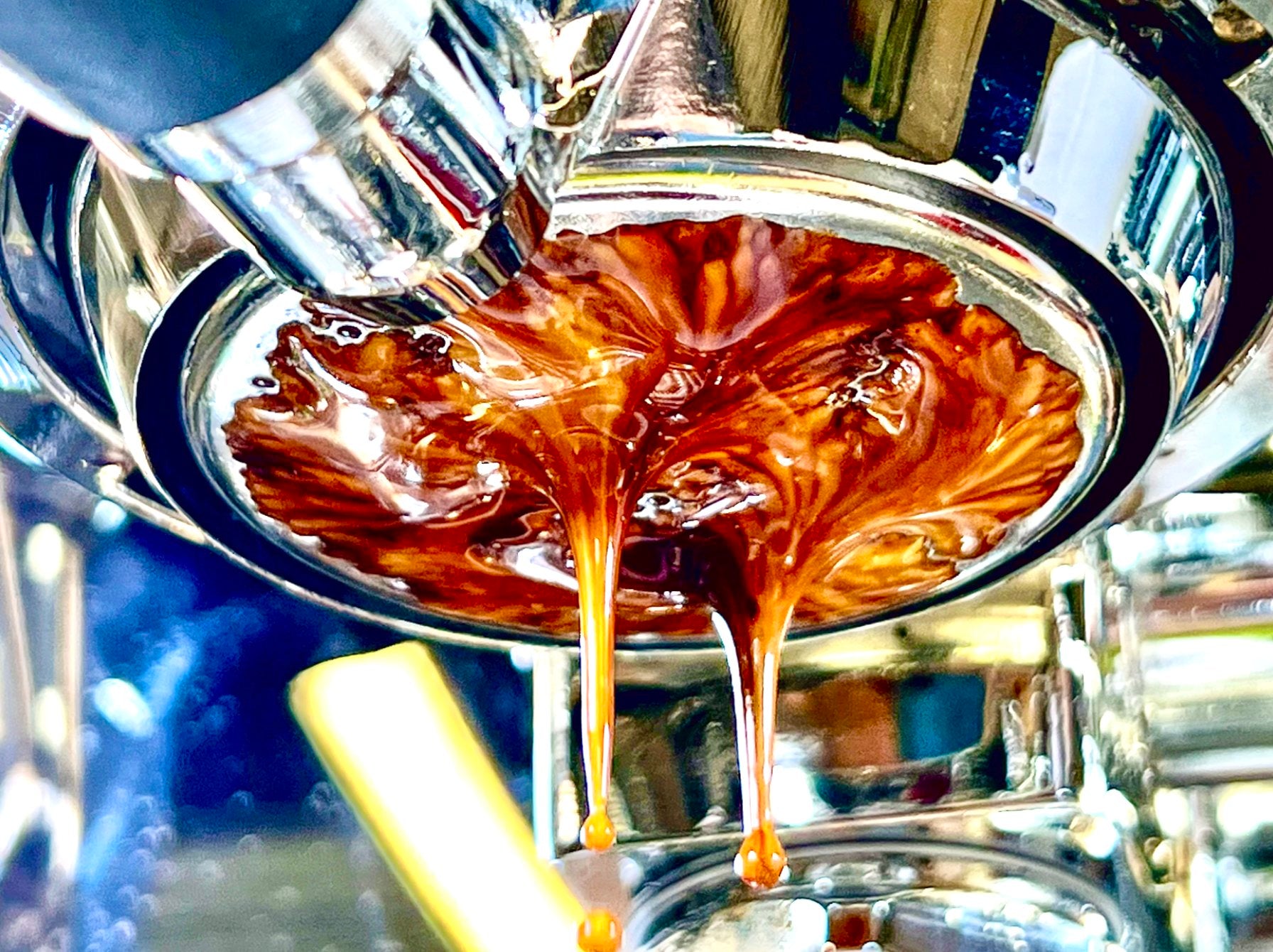
An espresso recipe gives staff a shared starting point. It should identify the coffee dose, beverage yield, and the preparation method, with tasting used to judge the result.
For example, a trainer might start a particular coffee at 18 grams of dry coffee and 36 grams of espresso. Those numbers are a hypothetical teaching example, not a recipe that suits every coffee, basket, or drink.
Learn what the scale is measuring. Dry coffee dose and finished espresso weight are different quantities. A volumetric machine meters water through its dosing system; its programmed button is not a substitute for checking beverage weight and taste.
Practice making several drinks in a row, adjusting one variable at a time with your trainer, and writing down what changed. Resist the urge to copy a number from a video without understanding its coffee and equipment.
Give staff a clear opening routine for checking the recipe, and identify who can adjust it. Otherwise several people may change the grinder during the same shift without knowing what the previous person did.
Build milk drinks around the cup you will sell
Decide your actual serving sizes early. A recipe that tastes balanced in one cup may need a different approach in a larger one.
Train milk portioning alongside texture and temperature. Pouring too much into the pitcher creates waste; pouring too little makes the drink difficult to finish consistently. Practice your dairy and alternative milks separately because they may behave differently.
Use an appropriate thermometer during training and establish the procedure with your trainer and food-safety plan. Steam-wand cleaning, milk storage, and handling belong in the same lesson as pouring.
The FDA Food Code is a model used by jurisdictions, rather than a single nationwide operating permit. Build your procedures around the rules your local authority applies to your business.
Hire for the job you need help doing
A strong café lead needs more than impressive drinks. You may need someone who can train beginners, organize opening routines, manage stock, and stay calm when several orders arrive together.
Ask candidates to explain how they would train a new employee, handle repeated drink complaints, and run a bar when a team member calls out. Look for clear explanations rather than jargon.
Be specific about responsibilities and authority. Who chooses the recipe? Who orders milk? Who handles the schedule? Who calls for equipment service, and who approves the expense?
You can also arrange focused help from a trainer or consultant without assuming one hire will design the whole business. Agree on the work and deliverables in advance.
Practice complete orders, not just individual drinks
Making a good cappuccino in an empty room is an important start. Running the business requires combining that skill with payment, sequencing, food handling, and clear handoff.
Use your actual menu for practice. Include a mixed order, an alternative milk, a decaf drink, a pastry, and a customer who changes their mind before production begins.
The table below gives you a practical way to organize training. It isn't a certification or a fixed number of hours.
| Practice session | What to watch | What should be repeatable |
|---|---|---|
| Opening the bar | Missing supplies, recipe checks, readiness | A complete setup without relying on one person's memory |
| Making the core menu | Dose, yield, milk portion, cup size | Drinks that match the written recipes |
| Handling mixed orders | Sequencing, communication, handoff | Correct drinks reaching the right customer |
| Cleaning and closing | Safe procedures, waste records, next-day setup | A clean bar ready for the next opening |
Time the whole order from entry to handoff. If service is slow, watch where work waits. You may need a better counter arrangement or clearer staff roles before you need a larger machine.
Make the first menu teachable
Start with drinks the team can explain, prepare, and price confidently. Each extra size, syrup, topping, food item, or preparation method adds something to learn and stock.
This doesn't mean the menu needs to feel plain. A focused set of drinks can still have a clear personality and a signature item customers remember.
Write recipes for the items people will actually order. Include ingredient quantities, cup size, espresso recipe, and finishing steps. If a drink relies on “a little of this,” expect different results across shifts.
Expand when you can see what customers want and how the existing menu performs. Training is easier when each addition has a clear reason.
Learn the owner numbers alongside the coffee
Track ingredient use, waste, labor time, and sales from the practice stage. You want to understand why a busy shift did or didn't contribute enough to the business.
Include your own working hours. A café can appear affordable while depending on the owner to cover every gap without a realistic plan for income or time off.
For a cart, record loading, travel, setup, breakdown, cleaning, and restocking time alongside the hours selling drinks. An event's trading window is only part of the work.
The SBA's business planning guidance can help structure the financial plan. Use your measured practice results to replace assumptions as you learn.
Choose equipment you can support
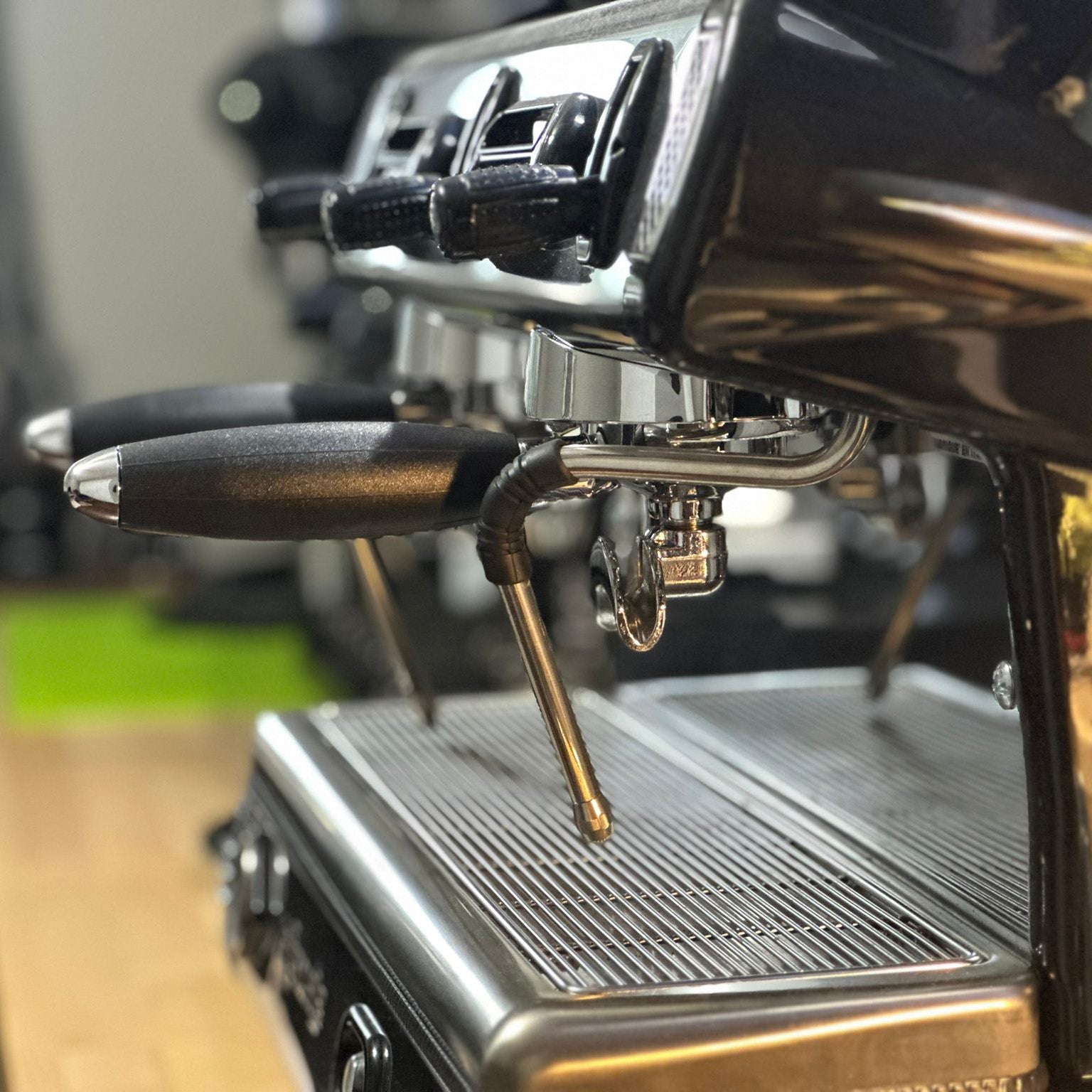
Buy for the menu, workspace, utilities, and service support available to you. More settings don't automatically make a machine easier for a new team to use.
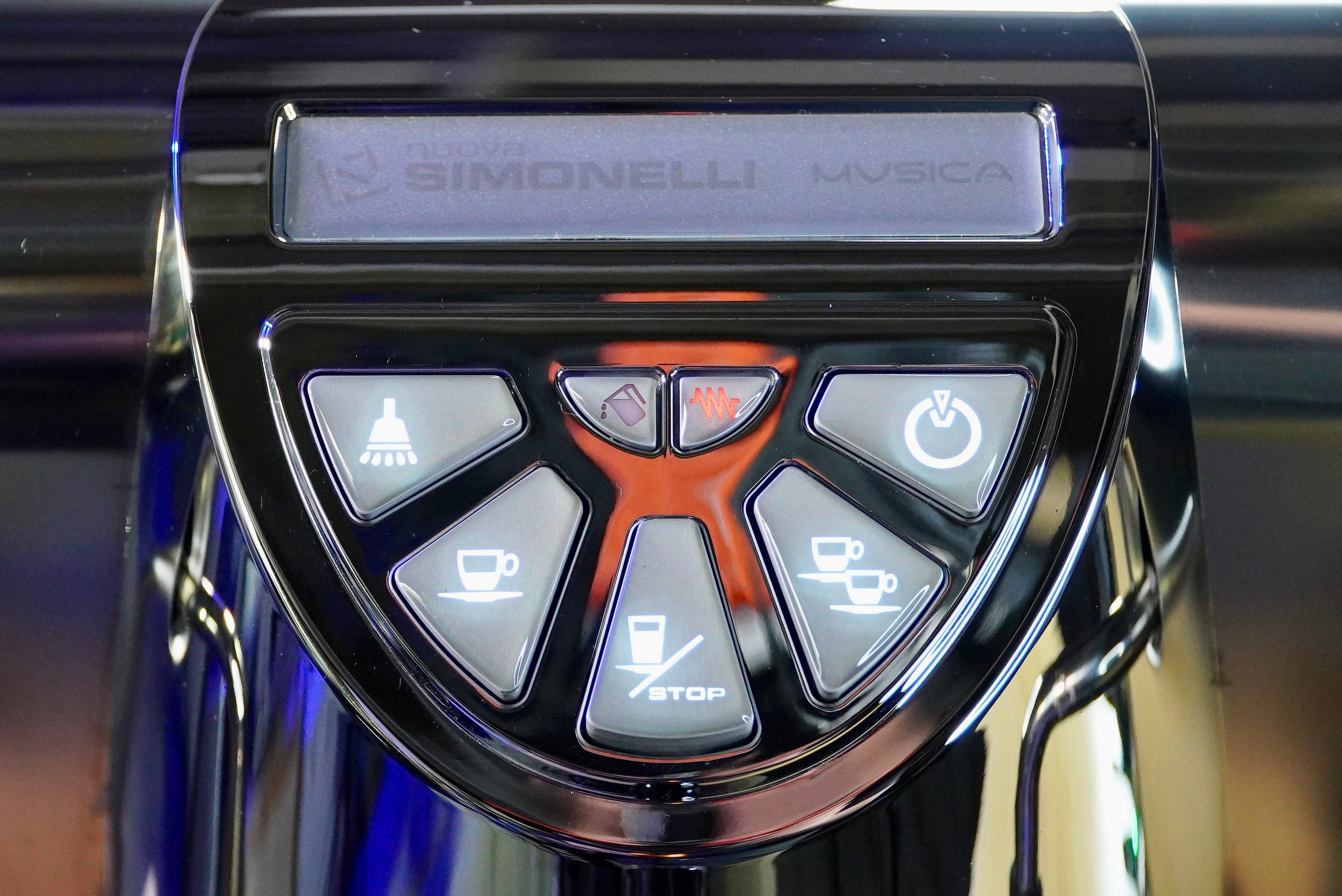
Ask for a demonstration of everyday operation, cleaning, and programming. Use the manufacturer's manual for the exact model; the Simonelli document archive is one example of where to find those materials.
Keep technician details, model and serial information, warranty terms, and water-treatment records together. Don't let staff improvise internal repairs.
If you want help matching equipment to your first shop or cart, talk through the setup with our commercial team. Bring the proposed menu, service pattern, space, and utilities.
Give yourself an opening you can manage
Schedule a rehearsal with the people, equipment, stock, and point-of-sale system you will use. Fix the problems it reveals, then repeat the parts that were difficult.
Begin with hours and a menu you can deliver consistently. Make sure any trial service complies with the approvals required to operate.
You don't need to pretend you already know everything. You need enough understanding to ask good questions, clear procedures that others can follow, and experienced support you can call when the answer is outside your skill set.
Sources and further reading
- FDA: Food Code, for the relationship between model guidance and local adoption.
- SBA: plan your business.
- Simonelli USA: equipment documents, for model-specific operating and cleaning instructions.
Sources checked September 8, 2026. The recipe example and training exercises are illustrative, not universal brewing specifications.