




Milk Pitchers for Espresso
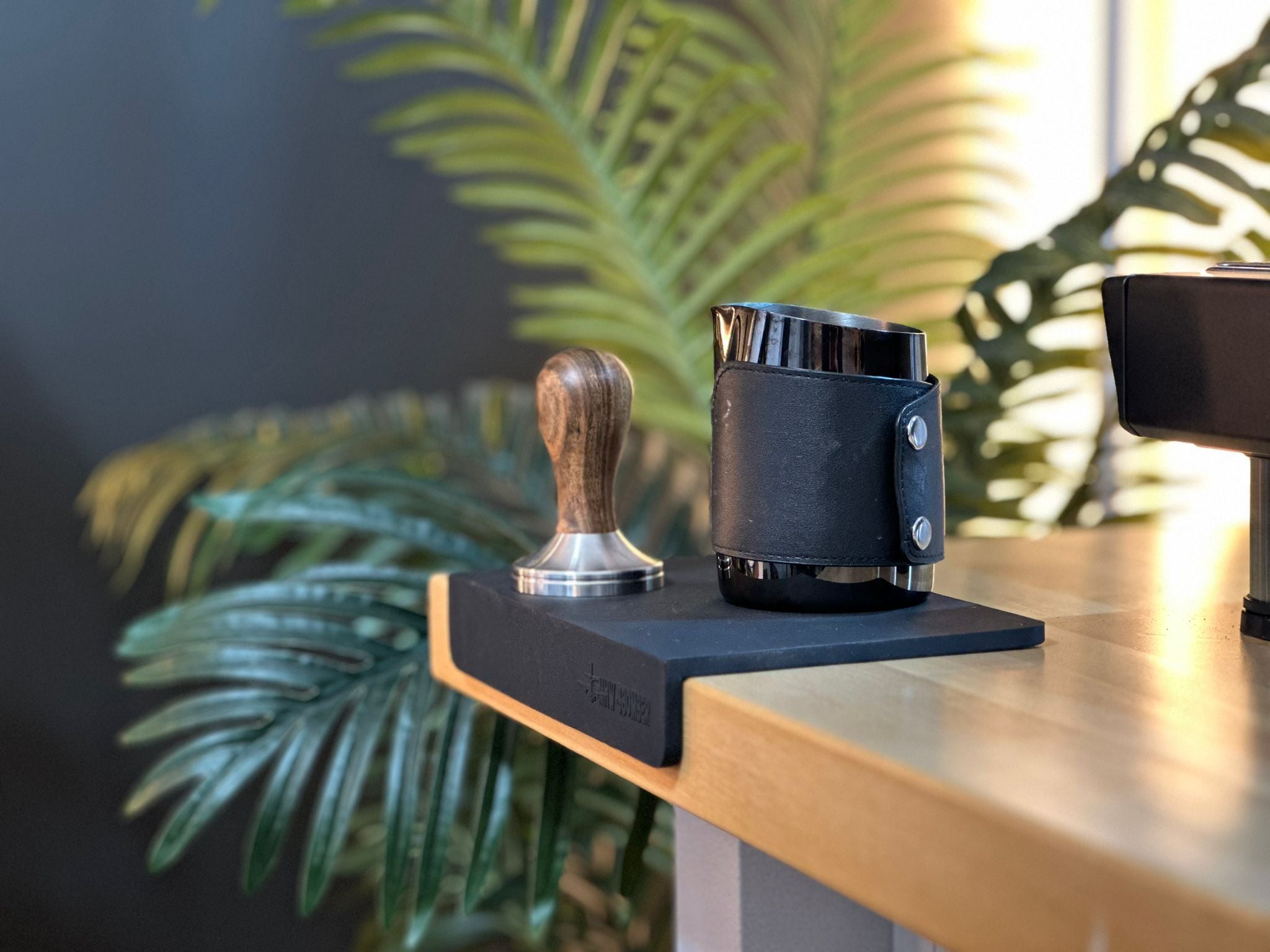
A milk pitcher is the metal jug used to steam, texture, and pour milk for espresso drinks. The best pitcher is not simply the largest one: size, fill level, base shape, wall thickness, spout, and handle all affect steaming control and service workflow.
Match pitcher size to drink volume
Milk needs enough empty space to expand during aeration and circulate during the rolling phase. A pitcher filled too high can overflow and resist proper circulation, while a very small milk volume in an oversized pitcher can be difficult to control.
Shape affects the whirlpool
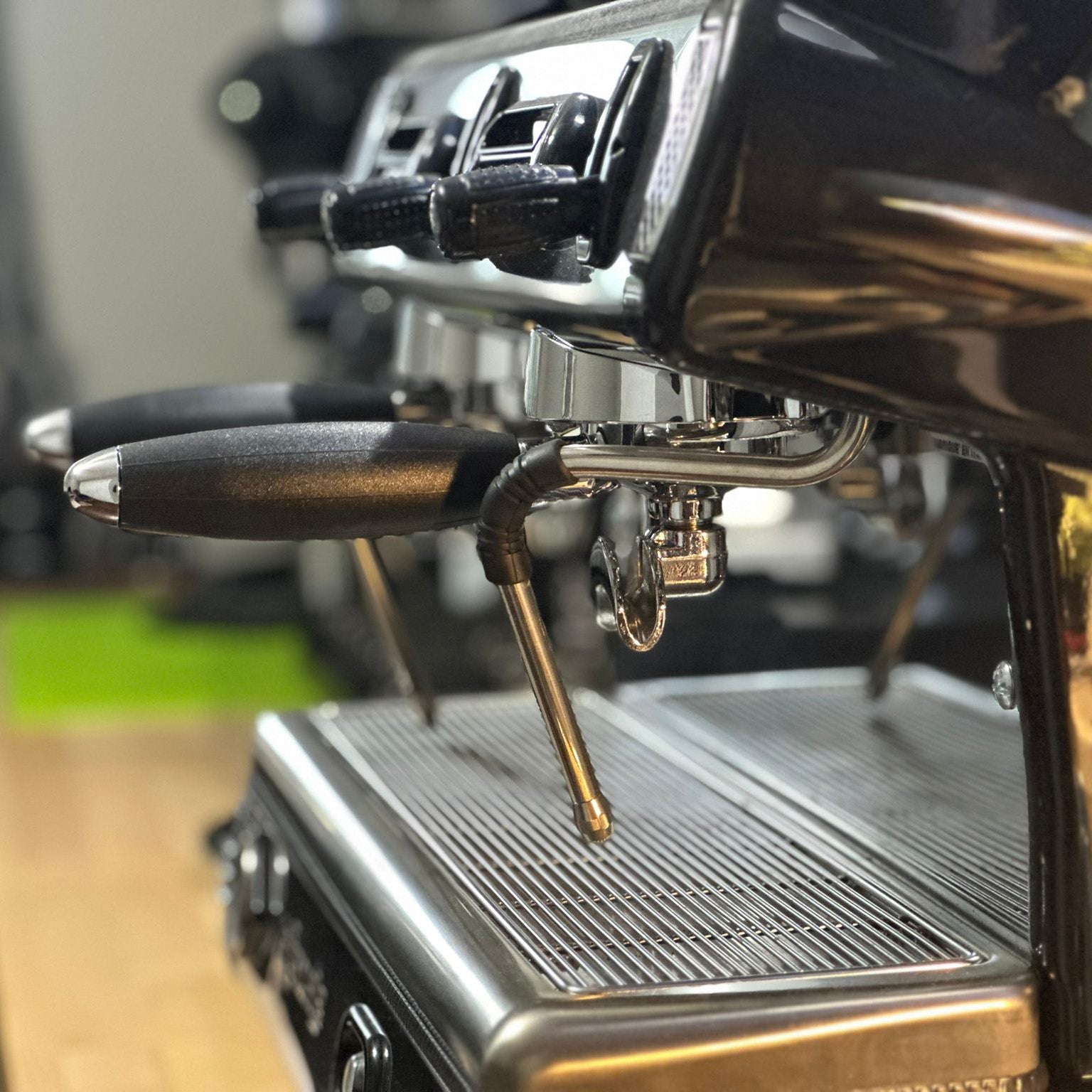
Baristas usually position the steam tip off center so the steam jets create a vortex. Rounded pitcher geometry can help the milk circulate and fold larger bubbles into finer microfoam. Technique still matters more than any single pitcher shape.
Spout style matters when pouring
A broad spout works well for general drink service and wide latte-art pushes. A sharper spout offers more precise placement for detailed patterns. For dedicated latte-art considerations, pitcher balance and spout geometry become especially important.
Temperature by touch or thermometer
Stainless steel transfers heat quickly, allowing experienced baristas to monitor temperature by touch. A thermometer can improve consistency during training or high-volume service. Avoid overheating because milk sweetness and texture deteriorate as temperature climbs too far.
Cleaning
Rinse pitchers promptly after use so milk does not dry onto the walls. Clean stubborn residue with an appropriate dairy-safe cleaner rather than abrasive tools that damage the finish.
For milk technique, see our published milk steaming guide and the Coffee Glossary.