



How to Write a Coffee Shop Business Plan
Coffee Business Resource Center
A coffee shop business plan should help you make decisions before opening and explain them to anyone helping you fund the business.
It doesn't need to sound impressive. It needs to explain who will buy, what you'll serve, how you'll operate, and whether the money works. If a reader finishes the plan without understanding how an ordinary day produces sales, there is more useful work to do.
Start with the practical version you need as an owner. Add the supporting detail a lender or investor requests once the core decisions are clear.
Begin with a description someone can picture
Write a paragraph about the business you intend to open. Name the format, customer, location or service area, opening hours, and basic menu. Explain why buying coffee from you will be convenient or worthwhile.
For example: “We plan to operate a takeaway coffee counter near two medical offices, opening before the first appointments. The initial menu will focus on espresso drinks, batch coffee, and pastries from a local supplier.” That is an invented concept, but it gives you specific things to investigate.
A cart version might focus on prepaid office events in a defined travel area. Its plan should explain how clients find and book the service, what packages include, and how the equipment gets to each venue.
You can improve the wording later. First check whether the description matches the business you have the time, money, and skills to run.
Show what you've learned about customers
Use local evidence. Visit possible sites at relevant times, speak with potential customers or event hosts, and study nearby alternatives. Record when and where you gathered the information.
Consider more than specialty cafés. A bakery, workplace coffee station, convenience store, or customer's home setup can meet part of the same need. Describe the specific reason someone would choose your service for a particular occasion.
The Census Business Builder provides demographic and economic data by area and business type. It can add context to your research, but population data doesn't tell you how easily a customer can enter your parking lot at 7:30 a.m.
For a cart, distinguish confirmed bookings from inquiries. Record the organizations you have spoken to, the service they need, and the next step. Avoid presenting a calendar full of available weekends as a calendar full of revenue.
Make uncertain assumptions visible. “We still need to establish weekday office attendance” is useful information if that attendance underpins the sales forecast.
Make the menu part of the financial plan
Include the opening menu, sizes, and prices. Then show how you cost the recipes: coffee, milk, syrups, cups, lids, and other items that vary with each sale.
If a higher average order value depends on pastry sales, include the supplier cost, delivery schedule, storage, and unsold stock. If it depends on larger drinks, include the extra ingredients and any additional espresso needed by the recipe.
Describe how the menu will be kept consistent. Explain who sets the espresso recipe, who checks it during the shift, and how staff record adjustments. A clear menu is easier to cost and train than an open-ended promise to make anything a customer requests.
For catering, state what a package includes: drink choices, serving period, guest count or other agreed limits, travel, setup, and any extras. Use the same assumptions in the quote, staffing plan, and forecast.
Build a sales forecast from the way you trade
For a café, start with trading days, transactions per day, and average order value before sales tax and tips. Explain how you estimated each one.
Here is a hypothetical example:
| Assumption | Initial case | Quieter case |
|---|---|---|
| Trading days per month | 26 | 26 |
| Transactions per day | 120 | 90 |
| Average order value | $7 | $7 |
| Monthly sales | $21,840 | $16,380 |
The quieter case produces $5,460 less monthly sales. The next question is what happens to ingredients, staffing, and cash at that volume. Some costs fall with sales; the cost of having enough people to open and close may not fall at the same rate.
Keep transactions separate from drinks. One person can buy several drinks, and some transactions may contain only food or retail coffee. That distinction matters when translating a sales forecast into an equipment requirement.
For a cart, create separate lines for individual vending sales and booked catering. Estimate bookings from the actual sales process: inquiries, quotations, likely conversion, and the capacity to deliver events. Label assumptions rather than presenting them as established results.
Explain how a shift will work
Walk the reader through ordering, payment, drink preparation, pickup, cleaning, and replenishment. Include the number of people working during quiet and busy periods.
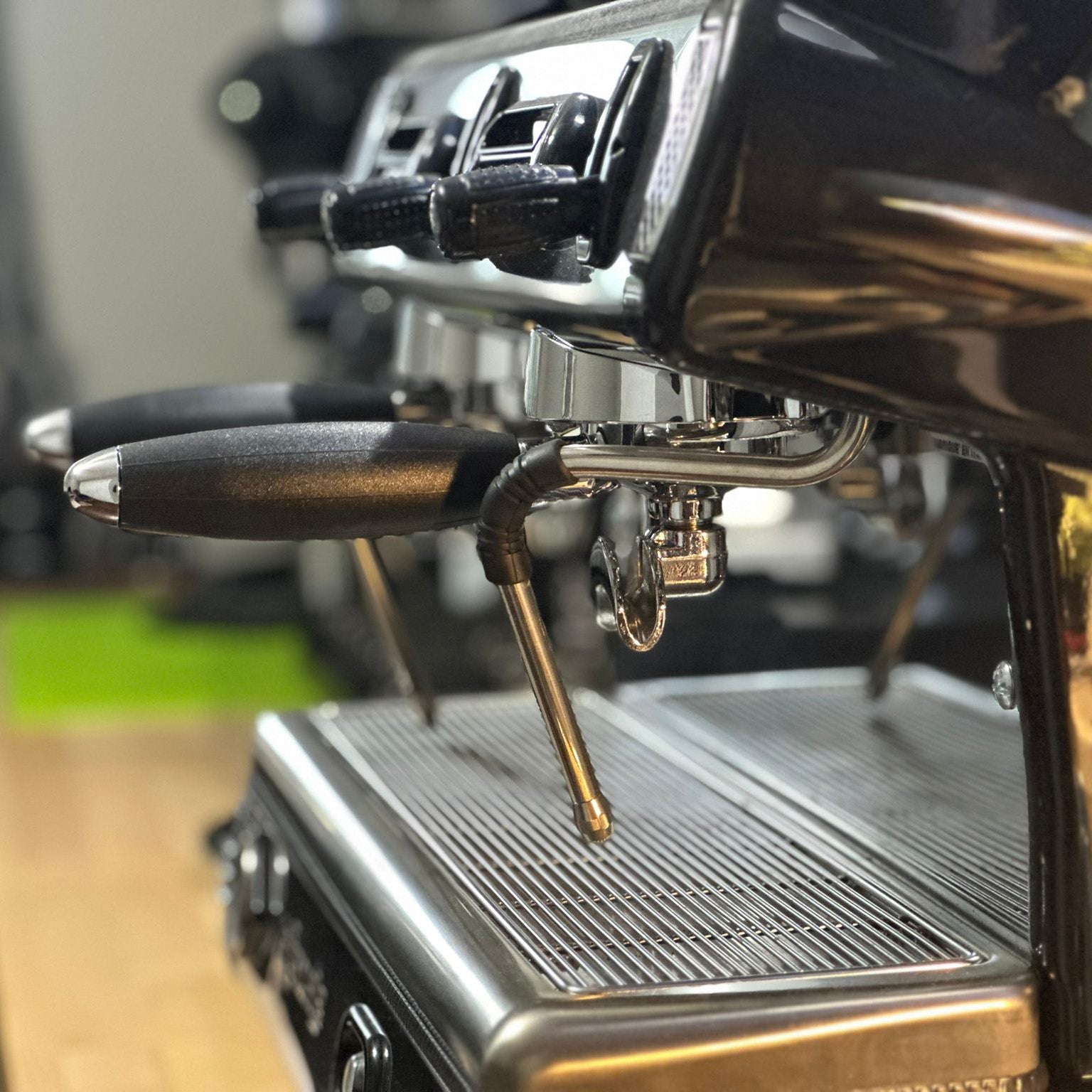
Show the basic bar layout and equipment choices. Explain the job each major item performs and why it suits the expected rush. A full equipment list belongs in an appendix; the main plan should explain the reasoning.
Describe your suppliers and service support. Include coffee deliveries, milk and food purchasing, maintenance, and what you would do if the main grinder stopped working. These details help demonstrate that you have considered the business beyond the first busy morning.
For a cart, add transport, loading, venue access, water, power, refrigeration, storage, and any commissary arrangement. Price the labor for those activities. The time during which customers are receiving drinks is only part of the job.
Explain which approvals apply and where you are in the process. The FDA Food Code is a model for adopting jurisdictions; your plan needs the actual requirements for the places you intend to operate.
Be clear about who will run the business
Describe the owner's role and relevant experience. If you are new to commercial coffee, explain how training, an experienced lead, or supplier support will fill the gap.
Name responsibilities rather than relying on a vague promise that everyone will help. Someone needs to own ordering, recipe checks, scheduling, payroll coordination, maintenance, bookkeeping, and customer follow-up.
Include coverage when the strongest person is away. A business that can only open when one particular barista is present needs a training and staffing plan.
Put owner work into the economics. Separately show the timing of any money you need to withdraw for household expenses. Your accountant can help present owner compensation correctly for your business structure.
Explain how opening will be funded
List the cash needed for site access, professional work, construction or mobile build, equipment, installation, training, and opening stock. Add an allowance for unresolved project costs and the operating cash your forecast calls for.
Then identify where the money comes from and when it will be available. Separate committed funds from financing you are still seeking.
A lender may need a more detailed format and projections than you use for day-to-day decisions. The SBA's business-plan guidance describes traditional and lean formats. Ask the intended reader what they need rather than making the document longer by guessing.
Keep an operating forecast and a cash forecast. Profitability and cash availability answer different questions because equipment purchases, loan payments, taxes, deposits, and settlement timing affect them differently.
Write a useful downside case
Choose a few realistic difficulties and show the response. For a café, that could be a later opening, fewer transactions, or a higher staffing requirement. For a cart, it could be a canceled market, slow booking season, or vehicle downtime.
Explain what would change and what would stay. If a quieter week still needs the same opening staff, don't reduce labor automatically in proportion to sales. If a canceled event could require a refund, include that cash obligation.
Set practical review points. Decide what you will look at if sales are below plan: opening hours, menu contribution, repeat business, marketing results, or the service experience. Avoid promising growth as the answer to every difficulty.
Assemble the document and keep using it
Write the short executive summary after the supporting work. It should explain the business, the customer opportunity, the funding needed, and the main evidence in a few clear paragraphs.
Keep quotes, site observations, recipes, proposed agreements, and technical documents in an appendix or supporting folder. Date the assumptions so readers can see what has been checked recently.
Read the finished plan as if you were considering the investment yourself. Can you follow the sales calculation? Does the menu match the equipment? Is the opening cash still available after the final bills? Who will do the work?
After opening, compare actual sales, labor, waste, and cash with the forecast. Update the parts that were wrong. A useful business plan becomes more specific as you learn.
For help with the equipment section, bring Dylan the menu, peak workload, counter plan, and installed budget.
Sources and further reading
- U.S. Small Business Administration, Plan your business, business-plan formats and supporting financial information; checked September 8, 2026.
- U.S. Census Bureau, Census Business Builder, area and business research; checked September 8, 2026.
- FDA, Food Code, model-code context; checked September 8, 2026.
- U.S. Small Business Administration, Manage your business, bookkeeping and operating-finance guidance; checked September 8, 2026.