


Comparison of Espresso Machine Boiler Materials: Aluminum, Brass, Copper, and Stainless Steel
When choosing an espresso machine, the material of the boiler plays a critical role in performance, durability, heat retention, and maintenance. The boiler material affects the taste of the coffee, the efficiency of the machine, and how prone it is to issues like limescale buildup. Here's a detailed comparison of the four most common boiler materials: aluminum, brass, copper, and stainless steel.
1. Aluminum Boilers
Overview: Aluminum boilers are lightweight and commonly found in lower to mid-range espresso machines. Aluminum is a good conductor of heat, making it an efficient option for quick heating, but it has some drawbacks in terms of durability and long-term performance.
Pros:
- Lightweight: Aluminum is significantly lighter than brass or stainless steel, which can reduce the overall weight of the machine.
- Good Heat Conductivity: Aluminum heats up quickly due to its high thermal conductivity, meaning the boiler can reach brewing temperatures faster.
- Cost-Effective: Aluminum boilers are cheaper to manufacture, making them a popular choice for budget-friendly machines.
Cons:
- Durability: Aluminum is a softer metal compared to brass, copper, or stainless steel, making it more prone to corrosion and damage over time.
- Prone to Corrosion: When exposed to water and air, aluminum can corrode, leading to pitting inside the boiler.
- Limescale Buildup: Aluminum boilers are more prone to limescale buildup, particularly if used with hard water, and require frequent descaling.
- Flavor Impact: Some users report a slight metallic taste when using espresso machines with aluminum boilers, especially if they are not properly maintained.
Limescale Prone: Yes. Aluminum is highly reactive with water and can accumulate limescale faster than other materials.
2. Brass Boilers
Overview: Brass, an alloy of copper and zinc, is a common choice for mid-range to high-end espresso machines due to its balance of durability and thermal conductivity. It offers a long service life and stability for temperature control.
Pros:
- Good Heat Retention: Brass has decent thermal conductivity, although not as fast as aluminum or copper, but it retains heat well, allowing for stable brewing temperatures.
- Corrosion Resistant: Brass is highly resistant to corrosion compared to aluminum and copper, making it more durable in wet environments.
- Durability: Brass is a strong, durable material that resists pitting and mechanical wear over time.
Cons:
- Moderate Heat Conductivity: While brass retains heat well, it does not heat as quickly as aluminum or copper, which can slightly increase warm-up times.
- Heavier: Brass is heavier than aluminum, which can make machines with brass boilers more cumbersome and less portable.
- More Expensive: Espresso machines with brass boilers tend to be more expensive due to the higher cost of the material.
Limescale Prone: Moderate. Brass is less reactive to water than aluminum but can still accumulate limescale if not properly maintained.
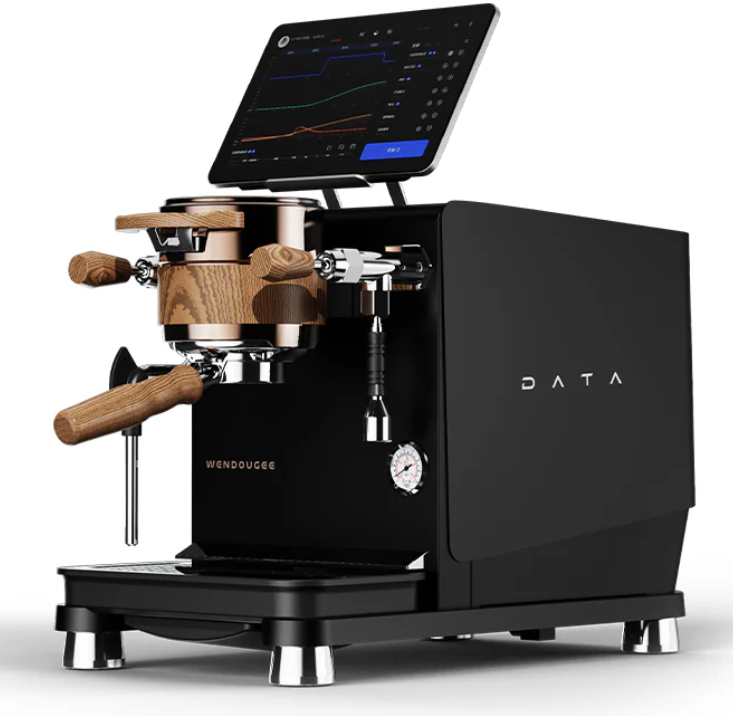
3. Copper Boilers
Overview: Copper has been a traditional choice for espresso machine boilers, especially in professional-grade machines, because of its superior thermal conductivity. Copper boilers heat quickly and maintain consistent temperatures, but they require careful maintenance to prevent corrosion and scaling.
Pros:
- Excellent Heat Conductivity: Copper is one of the best conductors of heat, allowing for rapid heating and excellent temperature stability, which is crucial for making high-quality espresso.
- Aesthetic Appeal: Many espresso machines with copper boilers have a visually appealing, traditional look, often visible in older or luxury models.
Cons:
- Prone to Corrosion: Copper is more susceptible to corrosion, especially in contact with water and oxygen. Manufacturers typically line copper boilers with tin or nickel to prevent this.
- High Maintenance: Copper boilers require regular descaling and cleaning to prevent limescale buildup and corrosion. Over time, copper can develop a patina that needs to be polished.
- Expensive: Copper is a premium material, so espresso machines with copper boilers are typically more expensive than those with aluminum or brass boilers.
- Heavier: Copper is quite dense, making machines with copper boilers relatively heavy.
Limescale Prone: Yes. Copper is highly reactive with minerals in water, which makes it more prone to limescale buildup if not regularly descaled.
4. Stainless Steel Boilers
Overview: Stainless steel is commonly used in modern espresso machines, especially in higher-end or commercial models. It offers excellent resistance to corrosion and durability, though it doesn’t conduct heat as well as copper or aluminum.
Pros:
- Highly Durable: Stainless steel is resistant to corrosion, rust, and pitting, even when exposed to water for long periods. This makes it a very durable option for long-term use.
- Resistant to Limescale: Stainless steel is less reactive with water compared to aluminum or copper, making it much less prone to limescale buildup. This reduces maintenance requirements.
- Flavor Neutral: Stainless steel is inert, meaning it does not affect the flavor of the coffee, making it ideal for brewing pure, untainted espresso.
- Easy to Clean: Stainless steel boilers are easy to clean and maintain, thanks to their smooth, non-porous surface.
Cons:
- Lower Heat Conductivity: Stainless steel doesn’t conduct heat as efficiently as copper or aluminum, meaning it can take longer to reach the desired brewing temperature. This is often compensated for with additional insulation or higher wattage heating elements.
- More Expensive: Due to its durability and corrosion resistance, stainless steel boilers are generally found in more expensive espresso machines.
- Heavy: Like copper and brass, stainless steel is dense, which can make machines with stainless steel boilers heavier and less portable.
Limescale Prone: No. Stainless steel is the least prone to limescale buildup, making it easier to maintain and less susceptible to long-term damage from hard water.
Comparison Summary:
| Material | Heat Conductivity | Durability | Corrosion Resistance | Limescale Prone | Cost | Other Considerations |
|---|---|---|---|---|---|---|
| Aluminum | High (quick to heat) | Low (soft, prone to corrosion) | Low (corrodes easily) | High | Low | Prone to metallic taste, requires frequent maintenance |
| Brass | Moderate | High (very durable) | High | Moderate | Moderate | Heavy, slower to heat, durable |
| Copper | Excellent | Moderate (requires lining) | Low (prone to corrosion) | High | High | High maintenance, aesthetic appeal |
| Stainless Steel | Low (slow to heat) | Very High (extremely durable) | Very High | Low | High | Flavor-neutral, least prone to limescale |
Conclusion:
-
Best for Durability and Low Maintenance: Stainless steel boilers are the best choice if you're looking for a long-lasting, low-maintenance machine that won't require frequent descaling and won’t affect the flavor of the coffee.
-
Best for Quick Heating: Aluminum is ideal for those who want quick heating times but are willing to deal with the downsides of higher limescale buildup and potential durability issues.
-
Best for Heat Conductivity: Copper offers superior heat conductivity for precise temperature control, making it perfect for professional-grade machines, but it requires regular maintenance to prevent corrosion and limescale buildup.
-
Best for Balanced Performance: Brass offers a good balance of heat retention, durability, and corrosion resistance, making it a solid choice for many mid-range to high-end espresso machines. It heats slower than aluminum and copper but retains temperature well.
For longevity and ease of use, stainless steel is often the preferred choice for modern espresso machines, particularly for home users who want minimal maintenance. For the highest quality heat control in professional settings, copper remains the gold standard, though it comes with additional maintenance demands.