
Bottomless vs. Spouted Portafilters: A Comprehensive Comparison

A bottomless portafilter is a diagnostic tool; a spouted portafilter is a practical serving tool. Both can produce excellent espresso because the basket, coffee, grind, distribution, tamp, water, and machine determine extraction. Removing the portafilter floor and spouts does not automatically create more crema or better flavor—it simply exposes the underside of the basket.

Bottomless vs Spouted Portafilter: Quick Answer

Choose Bottomless When Choose Spouted When
You want to see channeling and flow across the basket You need to split a double shot between two cups
You need extra clearance for a scale and cup You prefer a contained, cleaner service workflow
You are practicing distribution and puck prep You work quickly and do not need visual diagnostics

Compatibility Comes First

Match the portafilter to the machine’s group diameter and locking-ear geometry. Two portafilters described with the same nominal diameter may use different tab positions or thicknesses. Also confirm basket depth, handle orientation, and whether the group gasket is in good condition. Browse current home espresso machines by brand when checking compatibility.

When preparing espresso, the choice between a bottomless (naked) and a spouted portafilter can significantly impact the espresso experience, both in terms of the final cup and the barista's skill development. Each type of portafilter offers unique advantages and disadvantages depending on the user's preferences, skill level, and the goals of the extraction process.

What is a Bottomless Portafilter?

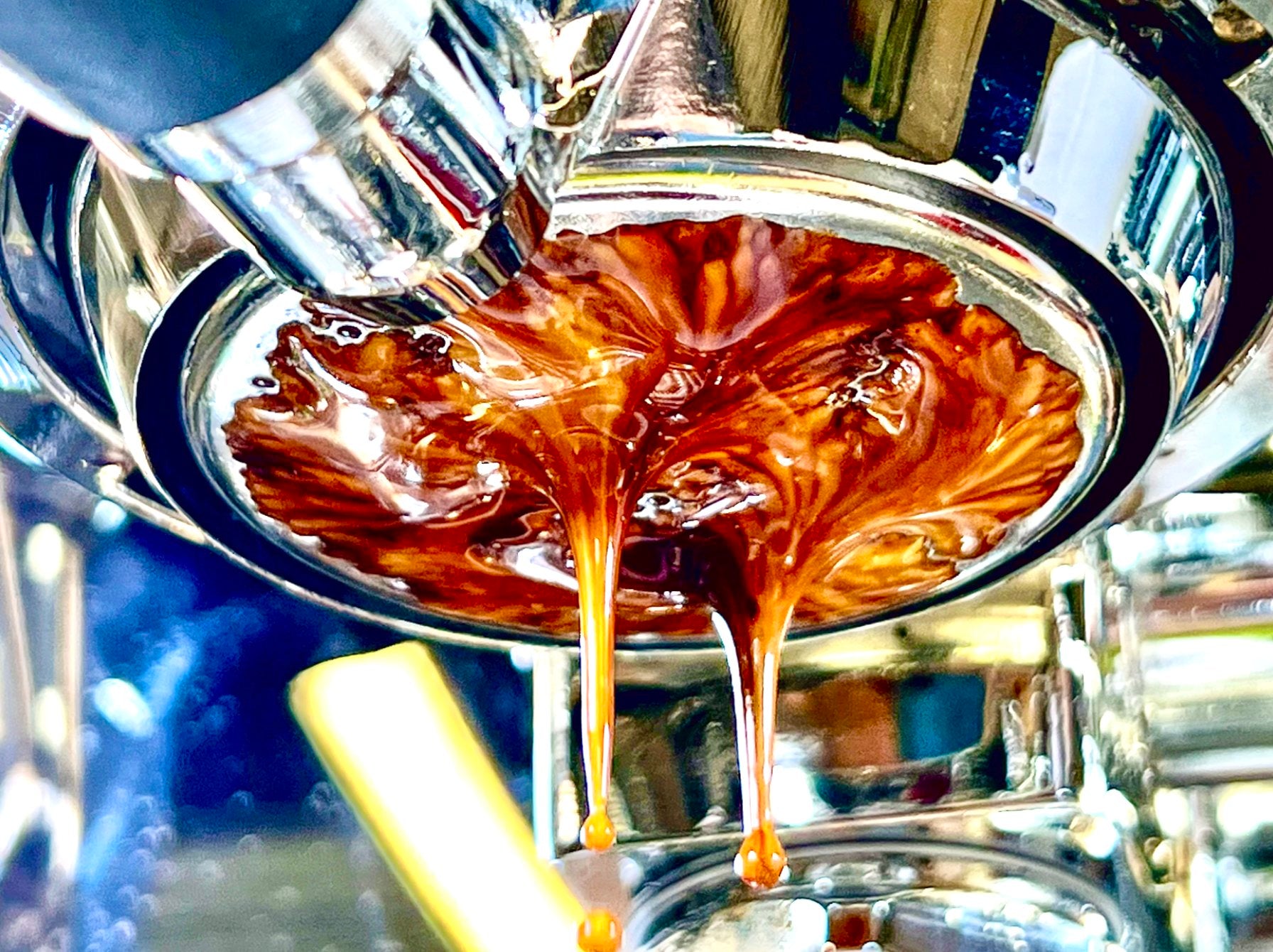
A bottomless portafilter is an espresso tool that lacks the spouts typically found in traditional portafilters. The basket, where the coffee grounds are packed, is fully exposed from the bottom. This design provides an unobstructed view of the entire extraction process, allowing the barista to see how the espresso flows from the basket into the cup.

58 mm bottomless portafilter showing the open underside and exposed espresso basket
Example of a bottomless portafilter: the underside of the basket remains visible so the barista can observe the extraction.

What is a Spouted Portafilter?

A spouted portafilter, on the other hand, is the more traditional design, featuring one or two spouts attached to the bottom of the portafilter. These spouts guide the espresso into the cup, making it ideal for pulling single or double shots of espresso into separate cups. Spouted portafilters are commonly found in both home and commercial espresso machines.

Double-spouted espresso portafilter with two outlets for dividing a shot between cups
Example of a double-spouted portafilter: two outlets direct the espresso and can divide a double shot between two cups.

Key Differences Between Bottomless and Spouted Portafilters

Aspect Bottomless Portafilter Spouted Portafilter
Visual Feedback Provides a clear view of the extraction process, making it easier to diagnose issues such as channeling. Hides the extraction process; you can’t observe the flow directly.
Espresso Quality Does not inherently improve extraction; it makes the basket outlet visible. Some crema may be lost as the espresso hits the spouts, but the difference is often minor.
Skill Development Excellent tool for training, as it makes extraction issues more visible. Easier for beginners but doesn't offer the same diagnostic feedback.
Ease of Use Requires more precision with tamping, grinding, and dosing to avoid channeling and spraying. Easier to use, with fewer visible issues like spraying or uneven flow.
Mess Can result in messier extractions if the coffee grounds or tamping aren't perfect, leading to spraying or splattering. More contained, as the spouts direct the flow of espresso neatly into the cup(s).
Extraction Control Provides more control and insight for skilled baristas looking to refine their technique. More forgiving, making it easier to pull consistent shots without advanced skills.
Portioning Can only direct espresso into a single cup. Ideal for single shots or splitting the shot manually. Allows for easy splitting of double shots into two separate cups via the spouts.

Benefits of a Bottomless Portafilter

  1. Training and Diagnostics: A bottomless portafilter is an exceptional tool for diagnosing espresso extraction issues such as channeling, uneven tamping, or grind inconsistency. Because the entire process is visible, baristas can observe any problems immediately. If there are inconsistencies in the coffee bed or tamp, the espresso may spray or flow unevenly, providing clear feedback for improvement(


Benefits of a Spouted Portafilter

  1. User-Friendly: Spouted portafilters are generally easier to use, particularly for beginners. The spouts help to guide the espresso directly into one or two cups, minimizing the risk of making a mess during extraction. This makes spouted portafilters ideal for fast-paced environments where consistency is key


  2. Mess Reduction: One of the main drawbacks of a bottomless portafilter is the potential for mess if the shot isn’t pulled perfectly. Poorly distributed grounds, improper tamping, or incorrect grind size can lead to spraying and splattering during extraction. A spouted portafilter helps mitigate these issues by channeling the espresso through the spouts, reducing the chances of making a mess.

  3. Double Shot Convenience: Spouted portafilters are ideal for pulling double shots and easily splitting them into two cups. This is particularly useful in commercial settings, where baristas need to serve multiple espressos quickly. The spouts make it easy to direct the flow into separate cups without needing to manually split the shot.

Common Issues Revealed by Bottomless Portafilters

When using a bottomless portafilter, several common extraction issues become more visible:

  1. Channeling: If the coffee grounds are not distributed evenly, water may find weak spots in the puck, leading to channeling. This results in multiple streams of espresso flowing from different points in the basket, often causing spraying or uneven streams


  2. Spraying: Spraying occurs when water escapes through small gaps or inconsistencies in the coffee puck, creating a messy and uneven extraction. Spraying is typically a sign that the grind size, distribution, or tamping needs improvement


  3. Uneven Flow: With a bottomless portafilter, you can easily see if the espresso flows more from one side of the basket than the other. This usually indicates uneven tamping or poor distribution of coffee grounds, leading to inconsistent extractions.

Which Should You Choose?

Bottomless Portafilter

A bottomless portafilter is ideal for:

  • Barista Training: It provides direct feedback during extraction, helping to diagnose and correct issues like channeling and tamping inconsistencies.
  • Advanced Users: Baristas or home enthusiasts who want to perfect their technique will benefit from the transparency of the extraction process.

Spouted Portafilter

A spouted portafilter is ideal for:

  • Beginners: It’s more forgiving and reduces the risk of messy extractions.
  • Commercial Use: In busy settings, spouted portafilters make it easier to split shots and reduce cleanup time.
  • Convenience: If you frequently prepare multiple shots or prefer a hassle-free process, spouted portafilters offer more control over espresso flow.

Conclusion

Both bottomless and spouted portafilters have their own distinct advantages depending on your experience level, preferences, and environment. A bottomless portafilter excels in training and diagnostics, helping to improve technique and shot quality, while a spouted portafilter offers greater ease of use, reduced mess, and is more practical for high-volume or beginner settings. Ultimately, the choice between the two depends on your priorities: precision and improvement or convenience and cleanliness


How to Diagnose a Bottomless Shot

  • Fine jets or spraying: Look for clumps, voids, edge gaps, or basket holes blocked by debris.
  • Flow favoring one side: Check distribution, machine level, basket seating, and grinder consistency.
  • Very fast overall flow: Grind finer or verify dose and basket size.
  • Slow drips that suddenly accelerate: The grind may be too fine or the puck may be fracturing under pressure.

Do not judge a shot only by appearance. Weigh dose and yield, record time as a diagnostic, and taste the espresso. For a full corrective process, use our espresso channeling guide.

Basket Choice Matters More Than the Portafilter Bottom

Many bottomless and spouted handles accept the same removable baskets. A change in basket can alter flow far more than removing the spouts. Our IMS versus VST comparison explains how dose and geometry affect dialing.

Cleaning and Safety

Remove the basket periodically and clean the underside, spring, and interior of the portafilter. Spouts can trap coffee oils and need additional brushing or soaking. Always wait for brew pressure to exhaust before unlocking the handle; a bottomless design does not change that safety requirement.

Bottomless vs Spouted Portafilter FAQ

Does a bottomless portafilter make better espresso?

Not by itself. It helps identify uneven extraction so the barista can improve puck preparation.

Why does a bottomless portafilter spray?

Spraying usually indicates a localized path through the puck, though a partially blocked basket hole can also deflect flow. Improve distribution, verify grind and dose, and clean the basket.

Can a bottomless portafilter split a shot?

Not neatly into two cups. A double-spouted portafilter is the practical choice for splitting one extraction.

Is bottomless better for tall cups?

Often. Removing the floor and spouts creates more clearance for a scale and cup, but actual space depends on the machine.

Final Recommendation

Keep a bottomless portafilter for training, troubleshooting, and clearance. Keep a spouted portafilter for clean service and split shots. Many experienced baristas use both because they solve different problems.