


How to Reduce Drink Remakes & Ingredient
Coffee Business Resource Center
Every remake tells you something about the operation. A wrong milk points to identification or communication. A poor espresso may point to recipe or equipment control. A spilled finished drink may point to handoff or packaging.
Record the cause before deciding what to fix. A single waste total can tell you there is a cost, but it cannot tell you which change will help.
Make the record easy and safe for staff to use. If employees feel punished for reporting remakes, the numbers may improve while the drinks do not.
Separate remakes from other product losses
A remake is a drink made again because the first one did not meet the order or quality requirement. Other losses include excess steamed milk, dial-in coffee, spills, expired ingredients, unsold brewed coffee, and food spoilage.
Track these categories separately enough to understand them. The EPA's wasted-food assessment resources support measuring the amount, type, and source of food and packaging waste. For a café, translate that into a short record close to where the loss happens.
Record quantity and reason without collecting unnecessary customer details. A time period, product category, cause, and corrective action are usually more useful than a customer's name.
Use a small number of clear reason codes
| Reason | What to inspect | Possible first change |
|---|---|---|
| Wrong milk, size, or flavor | Order entry and identification before preparation | Standard modifiers and a pre-build check |
| Espresso outside the house target | Dose, yield, preparation, recipe version | Correct the specific input or control problem |
| Milk texture or temperature | Measured fill and trained technique | Focused coaching with the actual pitcher |
| Spill, leak, or handoff error | Packaging fit and collection process | Tested cup-and-lid combination and clear identification |
| Product held or prepared beyond demand | Batch size, ordering, and rotation | Smaller tested batches or revised purchasing |
Use “other, with a short note” for cases that do not fit. Review those notes and add a category only when a repeated cause deserves its own action.
Catch order errors before ingredients are used
Make common choices clear on the menu and register. Confirm the milk, size, temperature format, and flavor when the order is ambiguous. Send that information to the person making the drink in a consistent form.
At the bar, check the ticket before starting the milk or adding flavor. A quick check at that point can prevent a whole drink being made incorrectly. Use a reliable cup or ticket identification method that survives the normal workflow.
Treat allergen-related requests with the required care and accurate ingredient information. If the wrong ingredient has been used, do not try to remove it from the finished drink or disguise the error. Follow the appropriate remake and cleaning procedure and communicate honestly.
Fix quality variation with measurements
For espresso, record dry dose, final yield, timing convention, coffee identity, and the observed flavor problem. For milk, use the tested starting fill, pitcher, and preparation method. Investigate a repeated pattern before changing several settings at once.
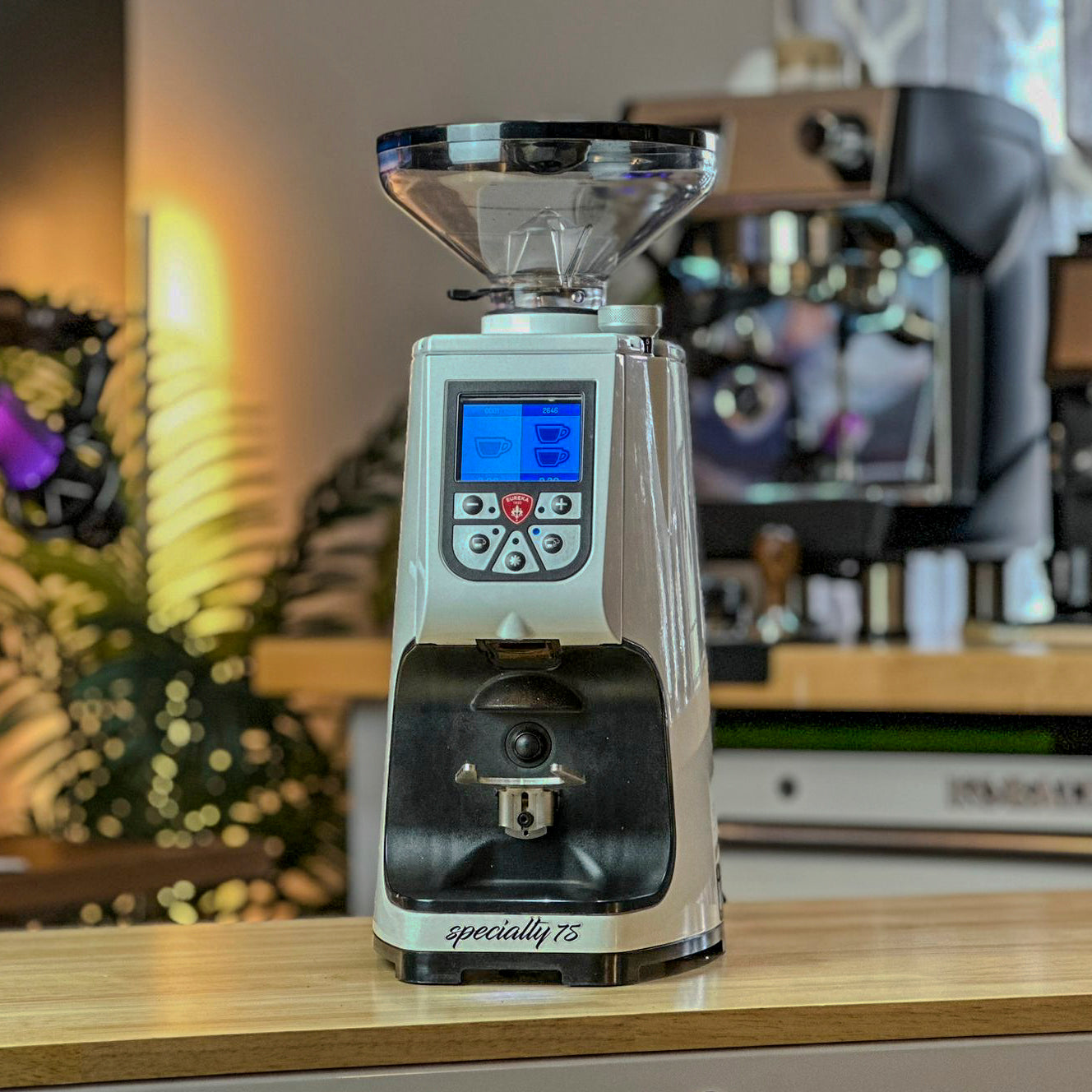
Check the tools too. A scale that is obstructed or a grinder dispensing inconsistently can create waste despite careful employees. Our on-demand grinder guide explains why measuring the dose matters alongside the machine's timed setting.
Set a clear rule for when the lead is called. Repeatedly remaking drinks through a suspected equipment fault consumes product without resolving the cause.
Calculate the cost without exaggerating it
Suppose a hypothetical shop records thirty remakes among 1,000 drinks sold during a comparable period. That is a 3% remake rate using sold drinks as the denominator. After a process change, it records twelve remakes among another 1,000 drinks sold, or 1.2%.
The reduction is eighteen remakes. If the average additional ingredients and packaging for each remake cost $1.40, the modeled direct saving is $25.20. Use actual product mix and invoice costs for your business.
Do not describe that as eighteen recovered sales if the original customers still paid and received corrected drinks. Do not add a full refund unless one actually occurred. Count extra paid labor only if the comparison creates a real additional labor cost; ordinary scheduled time is a different measure.
You can also track time spent remaking and customer delays as operational outcomes. They matter without being converted into an unsupported dollar claim.
Make one change and compare similar shifts
Choose the largest repeated avoidable cause you can address. Establish the baseline, change the relevant process, train the team, and measure again. Keep the denominator and categories consistent.
Compare similar menus, volumes, and staffing where possible. A quieter week with fewer complicated drinks may produce fewer remakes without any improvement in the process. Record those differences so the result is interpreted fairly.
Watch for unintended effects. A smaller milk fill that increases underfilled drinks or a stricter time target that encourages skipped checks has not solved the problem.
Reduce the stock losses around the drinks
Review how much batch coffee is brewed near closing, which syrups are opened, and whether milk orders reflect current demand. Record known training and dial-in use rather than treating it as unexplained shrinkage.
For a cart, compare product loaded, product sold or used, waste, and usable stock returned. A fixed-price event may have no per-drink sales record, so count servings or use another reliable production record to understand consumption.
Keep food safety and quality limits intact. Reducing waste means improving forecasting, portions, and handling; it does not mean extending an applicable discard limit or reusing unsuitable product.
When the pattern points to equipment, share the measurements and service history with Dylan and the commercial equipment team.
Sources and further reading
- EPA: resources for assessing wasted food — measurement by amount, type, and source.
- Espresso Outlet: on-demand grinder workflow — dose verification as an operating control.
Remake counts, rates, and costs are hypothetical. Sources reviewed September 9, 2026.