



Grouphead Pressure Gauges
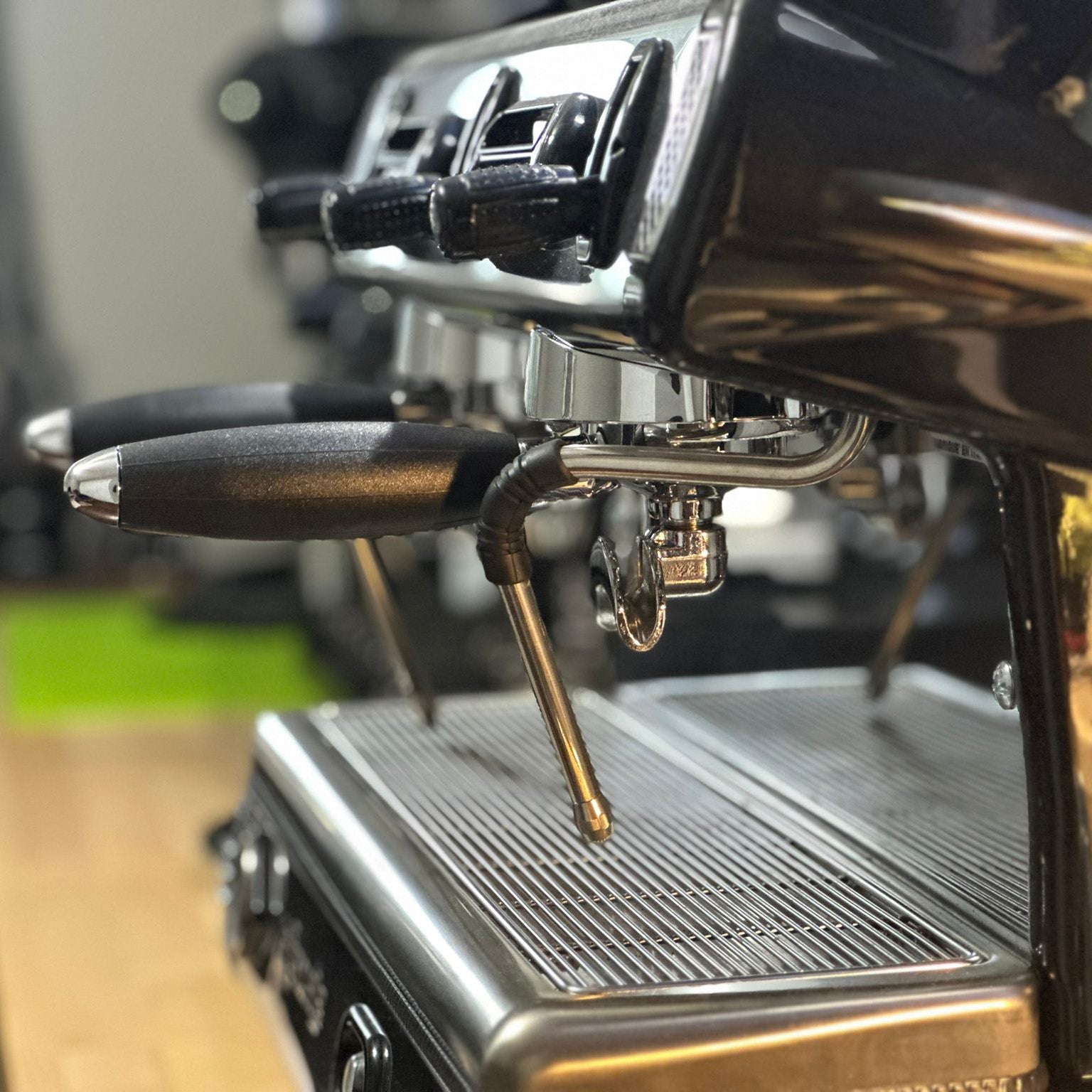
A grouphead pressure gauge displays hydraulic pressure at or near the espresso-machine group rather than at the pump or another remote point in the circuit. That makes it useful for observing how pressure changes during pre-infusion and extraction, but it still should not be interpreted as a perfect measurement of pressure everywhere inside the coffee puck.
Why gauge location matters
Water loses pressure as it moves through restrictors, valves, tubing, and the coffee bed. A pump-mounted gauge may therefore show a different value than a gauge connected near the group. On machines with flow control or pressure profiling, a group-mounted gauge provides feedback closer to the point where the barista is making adjustments.
Static pressure vs. dynamic pressure
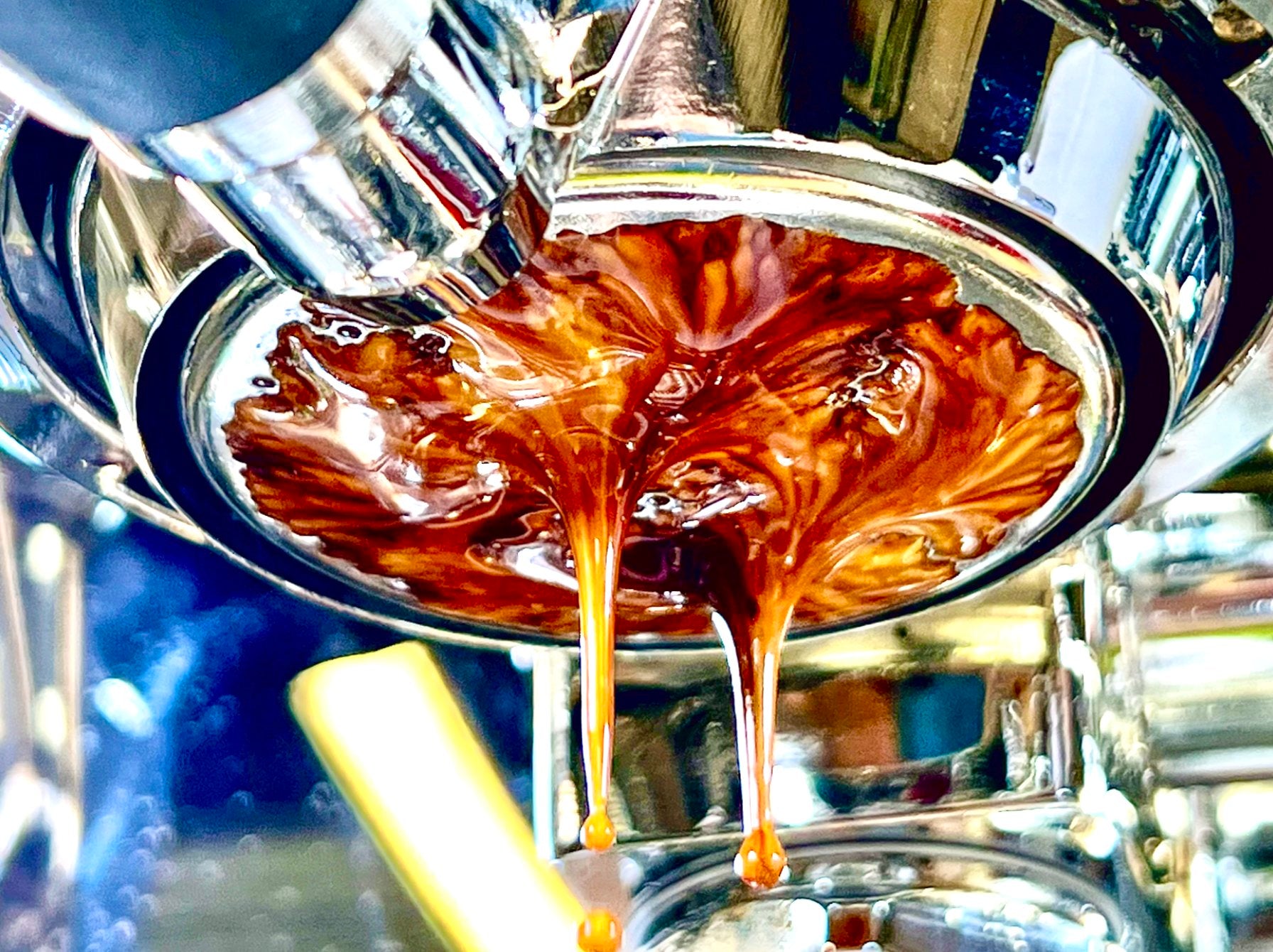
A pressure reading with little or no flow can differ substantially from pressure while espresso is flowing. During extraction, the grinder setting, dose, basket, and puck permeability determine resistance. Pressure is the result of pump output acting against that resistance.
Does 9 bar on the gauge guarantee good espresso?
No. Nine bar is a common reference point, not a universal flavor target. Excellent espresso can be brewed with lower peak pressure, declining pressure, lever profiles, or flow-controlled shots. Taste, extraction, and puck behavior matter more than forcing every coffee to one number.
Using a group gauge diagnostically
A gauge can help reveal unusually slow pressure rise, excessive pressure, low pump output, or the effects of a flow-control valve. But gauge calibration, plumbing location, and restrictors must be considered before diagnosing a machine from one reading.
Our published guide to pressure profiling and espresso provides more context. See more pressure terminology in the Coffee, Espresso & Brewing Equipment Glossary.