


Drip Coffee Explained
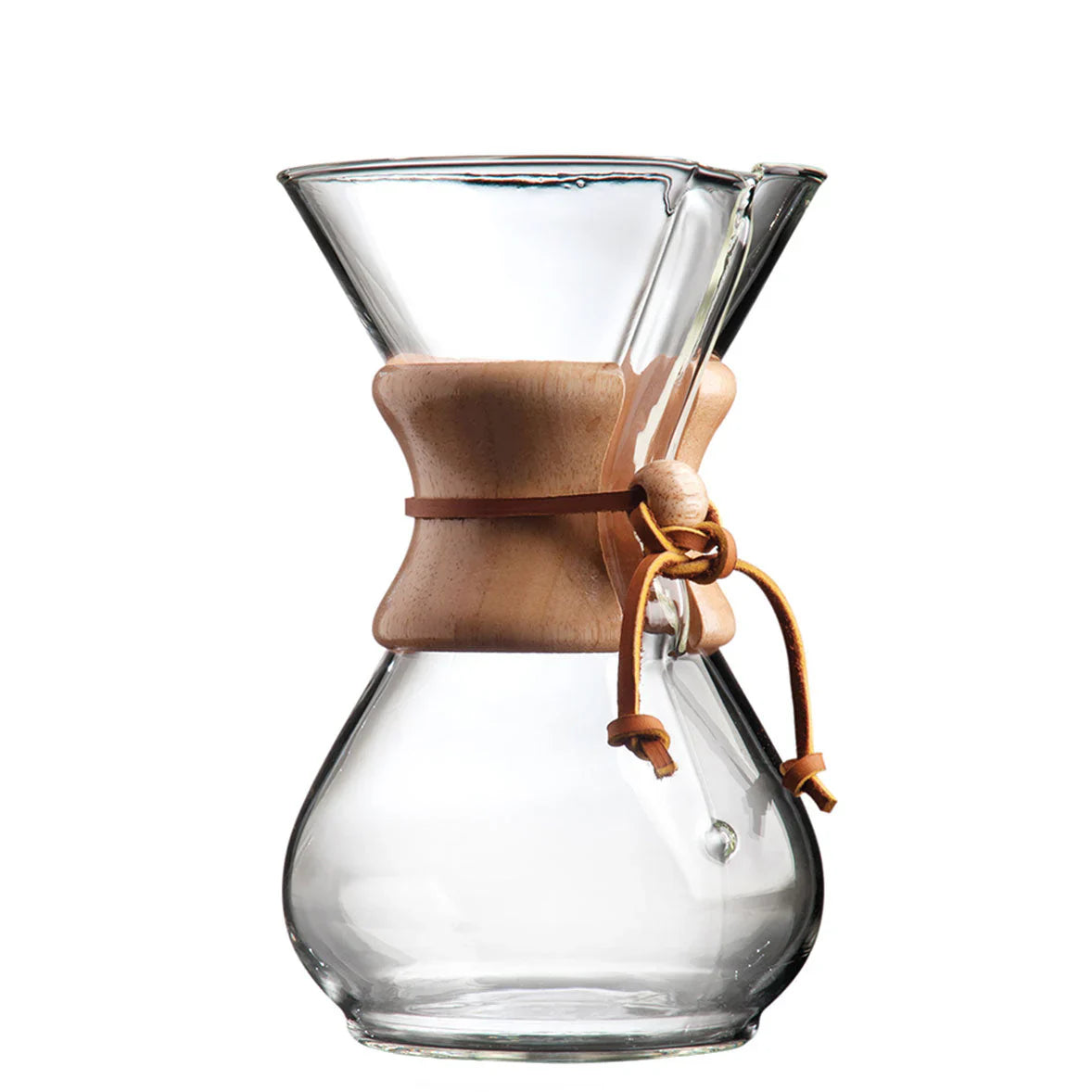
Drip coffee is a percolation brewing method in which hot water passes through a bed of ground coffee and a filter, with the brewed beverage dripping into a server or carafe below. The category includes automatic batch brewers and manual pour-over brewers, although everyday use of “drip coffee” often refers specifically to an automatic coffee maker.
How drip brewing extracts coffee
Fresh water enters the coffee bed from above, dissolves soluble flavor compounds, and exits through the filter. Because new water continually replaces stronger coffee solution around the grounds, drip brewing behaves differently from full-immersion methods such as French press.
Flow is controlled by several variables at once: grind size, filter resistance, coffee depth, water distribution, fines, and the brewer's outlet geometry. A finer grind generally increases resistance and extraction, but grinding too fine can stall the bed and create uneven flow.
Automatic drip vs manual pour-over
An automatic brewer controls water heating and delivery mechanically. A good machine should reach an appropriate brewing temperature, wet the bed evenly, and deliver water at a rate suited to its basket. Manual pour-over gives the user direct control of pouring pattern and flow but demands more technique.
For higher-volume service, browse our commercial coffee brewers. For home and manual methods, see our brewing equipment selection.
Starting ratio and grind
A useful starting point is roughly 1:15 to 1:17 coffee-to-water by mass—for example, 60 g of coffee per liter of water is a common benchmark. From there, adjust based on taste and brewer design. Use a medium grind as a broad starting point, then go finer if the cup tastes weak, sharp, and underextracted, or coarser if it becomes harsh, drying, or excessively slow.
Why the grinder matters
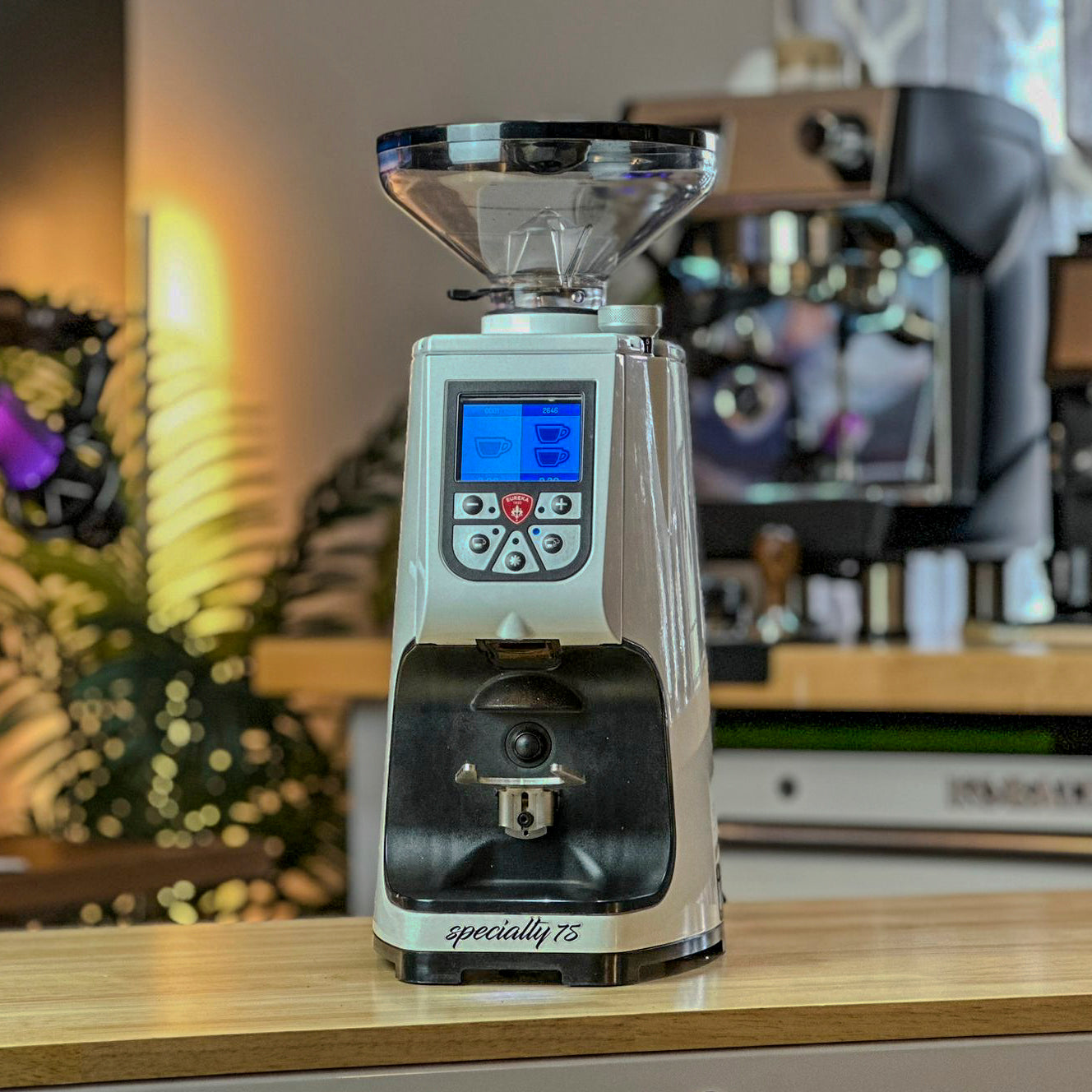
Drip brewing exposes the impact of particle distribution clearly. Too many fines can slow drawdown and add astringency, while excessive large particles may contribute less extraction. A capable coffee grinder with burrs suited to filter brewing makes recipe adjustments more predictable.
Freshness and holding
Freshly brewed drip coffee is best served relatively soon. Glass-carafe hot plates can continue heating the beverage and change flavor over time, while insulated thermal servers preserve temperature without applying additional heat. For commercial settings, batch size should be matched to actual demand rather than brewing a large volume that sits for hours.
Explore more brewing terminology in the Coffee, Espresso & Brewing Equipment Glossary.