




How Cup, Lid, Syrup, & Milk Placement
Coffee Business Resource Center
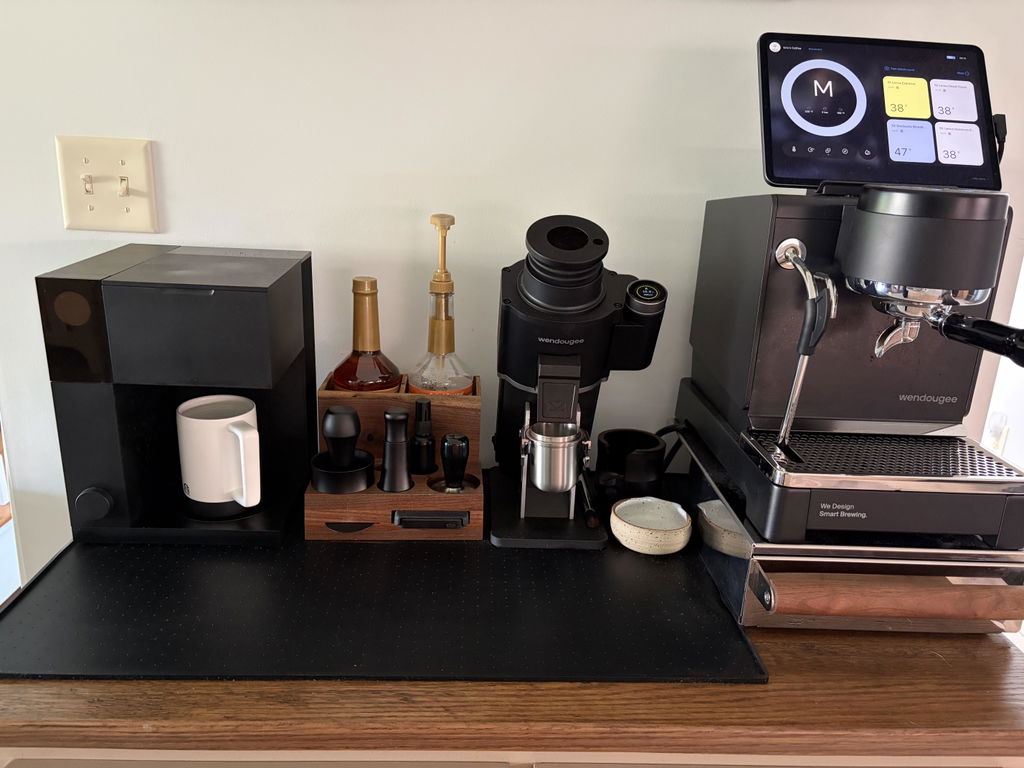
Small supplies can create a surprisingly large share of a coffee bar's interruptions. Staff search for the right lid, move three bottles to reach one syrup, or leave the station for milk while the next order waits.
The fix begins with the recipe and the point of use. Keep a suitable working supply near the task, make identification easy, and give replenishment a clear owner.
Follow each item through a drink
Watch when a cup enters the order, when syrup is measured, when milk is retrieved, and where a lid is applied. Those moments may happen at different positions or be handled by different people.
Place supplies according to that sequence. A lid beside the grinder is not especially helpful if finishing happens at the other end of the counter. A syrup display arranged for customers may be awkward for the person measuring ingredients.
Use the actual drink range in this exercise. Hot and iced drinks, dine-in and takeaway service, and several cup sizes can create different supply needs.
Give supplies a stable home
| Supply | Useful placement question | Replenishment question |
|---|---|---|
| Hot cups | Where is the order identified and the cup first needed? | Can the working stack be refilled without blocking preparation? |
| Cold cups | Where are the iced ingredients and finishing work? | Can the correct sizes stay protected and easy to distinguish? |
| Lids | Where is the completed drink checked and finished? | Are compatible lids identified clearly in reserve storage? |
| Syrups and sauces | Where does the measured recipe step happen? | Who replaces or prepares working containers under the procedure? |
| Milk and alternatives | Which position retrieves and portions them? | Can reserves reach the station under the required control? |
| Sleeves and carriers | Where are takeaway orders assembled? | Can staff retrieve more without entering the espresso work area? |
The best position is one the team can maintain throughout service. It should remain usable when drawers are open and other staff are working.
Simplify cup and lid identification
Keep sizes and compatible lids distinguishable. Record supplier item numbers on the stock list so a reorder does not depend on recognizing a photograph or the nominal ounce size.
Manufacturers provide compatibility information for particular cup and lid products; Dart's plastic-lid range, for example, directs buyers to product specifications for compatible cups. Verify the actual pairing when buying or changing supplies. Dart lid information
Check a new delivery before the rush. If a supplier substitution changes the fit or handling, resolve it before mixing the new stock into the working supply.
Keep cups and lids protected under the applicable storage and handling procedure. A location close to the work is not suitable if it exposes them to splash or dirty handling.
Organize flavors around use and clear labels
Place commonly used flavors where the operator can identify and measure them comfortably. Less-used options can have a different suitable location if the retrieval step is acceptable for the service you offer.
Keep regular and sugar-free versions, similar labels, and special ingredients clearly distinguished. Train staff to use the recipe's specified quantity and the correct dispensing tool.
Do not assume that every pump dispenses the same amount. Use the supplier's information and verify the actual working method when establishing the recipe. A partially depressed pump or a different dispenser can change both flavor and cost.
Leave room to clean the bottle area. A crowded row of pumps can conceal spills and make it difficult to remove one container without disturbing the others.
Put milk access into the staffing plan
Observe who opens the refrigerator and where that person stands. A shared drawer can work well, but not if its movement repeatedly blocks the other production position.
Keep milk under the required control while making access convenient. Washington's cold-holding rule, for example, generally specifies 41°F or below for time/temperature control for safety food, with defined exceptions and other provisions. Follow the requirements and approved procedures that apply to your operation. Washington cold-holding rule
Do not solve an awkward refrigerator position by leaving several cartons on the counter throughout service. Fix access, working quantities, or the replenishment method while maintaining the food-control plan.
Identify alternative milks accurately and keep ingredient information available. A location or color code helps organization, but it is not by itself a complete cross-contact procedure.
Set working quantities from actual demand
Look at how much of each item the bar uses between practical replenishment opportunities. Start with observed use, then consider variation and the consequences of running short.
For an illustrative example, if the station uses 40 takeaway cups during a typical busy 15-minute interval, a working stack of 20 requires a refill inside that interval. That may be acceptable with a clear support role, or it may reveal that the working supply is too small for the staffing plan.
The example does not establish a recommended stack size. Storage protection, available space, actual demand, and replenishment access determine the right arrangement.
Make refills visible before supplies run out
Choose a clear trigger for replenishment and assign responsibility. Staff should not discover an empty lid bin only when a finished drink needs one.
Keep reserve stock labeled and organized so someone unfamiliar with the exact shelf can find it. Follow the appropriate rotation and storage procedures for ingredients.
On a cart, plan the route from reserve storage at the venue. A box in the vehicle is useful only if someone can retrieve it during the event without compromising the rest of the operation.
Review placement when the menu changes
A seasonal drink can add a bottle, garnish, cup, or lid that competes with the established setup. Decide where those items belong before launch.
Remove obsolete working stock and labels when the offer ends. Keep a simple station reference so the layout stays consistent across shifts. A tidy, predictable supply arrangement makes both training and service easier.