


How to Create Espresso Recipes Your Entire
Coffee Business Resource Center
A useful espresso recipe is a short operating document. It should let a trained employee make the intended drink without guessing which basket to use, what “double” means, or whether the timer starts at button press or first drip.
Start by developing and tasting the recipe, then write the instructions around the result. Copying a popular dose-and-yield ratio onto a card does not establish that it suits your coffee, equipment, or largest milk drink.
The card should be concise enough to use during service and specific enough to remove the important ambiguities.
Define the drink you are developing
Choose the coffee and identify the intended use. Is this the house espresso for straight drinks and milk drinks, a separate decaf, or a rotating coffee? Evaluate it in the menu items it needs to support.
Choose a suitable basket and dry dose as part of testing, taking the basket and equipment instructions into account. Do not make the card say every basket uses the same dose simply because they fit the same portafilter.
Record roast or lot identification where useful for the supply you receive. If the coffee changes, the old recipe is a starting reference to assess, not a promise that the same settings will produce the same taste.
Write measurements without ambiguous shorthand
Use grams of dry ground coffee for dose and grams of finished espresso for beverage yield. A brew ratio compares those two quantities; it is different from water volume programmed through a machine or the total volume of a finished latte.
La Marzocco's ABR quick-start guide illustrates dry-dose and beverage-mass terminology. The recipe concept can be written clearly regardless of whether your own equipment provides those model-specific automated controls.
Specify how and when the final yield is checked. If the shot continues dripping briefly after stopping, the employee needs to know whether the target refers to the settled final weight or an earlier stop action established during setup.
Define the timing convention. Button press, first liquid, and a machine's displayed timer are not automatically the same reference. Use one method for the routine and the training record.
Keep the card focused on decisions
This blank structure can be copied into your own training document. Fill it with tested values rather than treating the field names as a complete recipe.
| Field | What to enter |
|---|---|
| Recipe identity | Coffee, intended drinks, version date, approving lead |
| Equipment and basket | Machine/group use, grinder, specified basket |
| Dose and final yield | Tested targets, units, and accepted tolerances |
| Time reference | When timing starts and the tested observation range |
| Taste and presentation | Plain-language target in espresso and the main milk drink |
| Operating controls | Relevant barista-level program or button identification |
| Exception and change rule | What to check, who adjusts, and where changes are recorded |
Do not overload the working card with every maintenance procedure. Link or point to the separate equipment and cleaning instructions. Keep the relevant documents available at the station.
Establish tolerances through testing
Make a series of shots and evaluate the variation your process produces. Decide which differences are acceptable for the drink and which require attention. Use tools capable of resolving the tolerances you choose.
A target with an impractically narrow tolerance can encourage constant adjustments without better drinks. A very wide tolerance can conceal poor preparation. The useful range comes from the recipe, tasting, tools, and repeatability you observe.
Do not make extraction time the only pass-or-fail measure. A shot can land inside a time window while having the wrong dose, yield, preparation, or taste. Keep those checks connected.
For training, demonstrate an accepted drink and several clearly identified variations. Let staff compare them under controlled conditions. The aim is to recognize the house target, not to memorize impressive tasting vocabulary.
Separate the recipe from the equipment settings
Grind setting and timed grind duration help produce the recipe; they are not the recipe itself. Write the current setup in a changeable field so employees do not mistake yesterday's grinder number for a permanent standard.
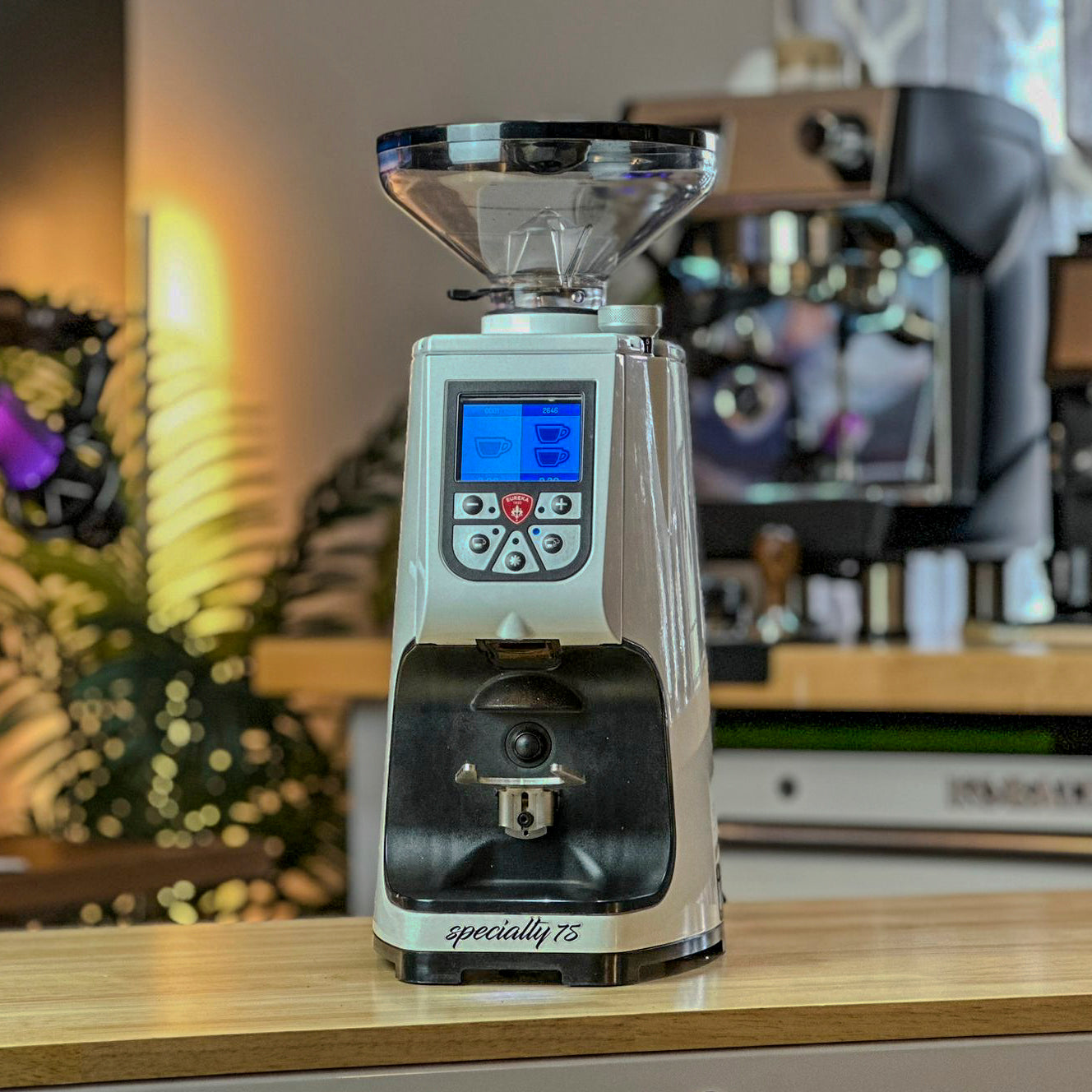
Our on-demand grinder guide discusses the distinction between a timed dispense and a measured dose. Staff should verify the output and follow the equipment's adjustment instructions when conditions change.
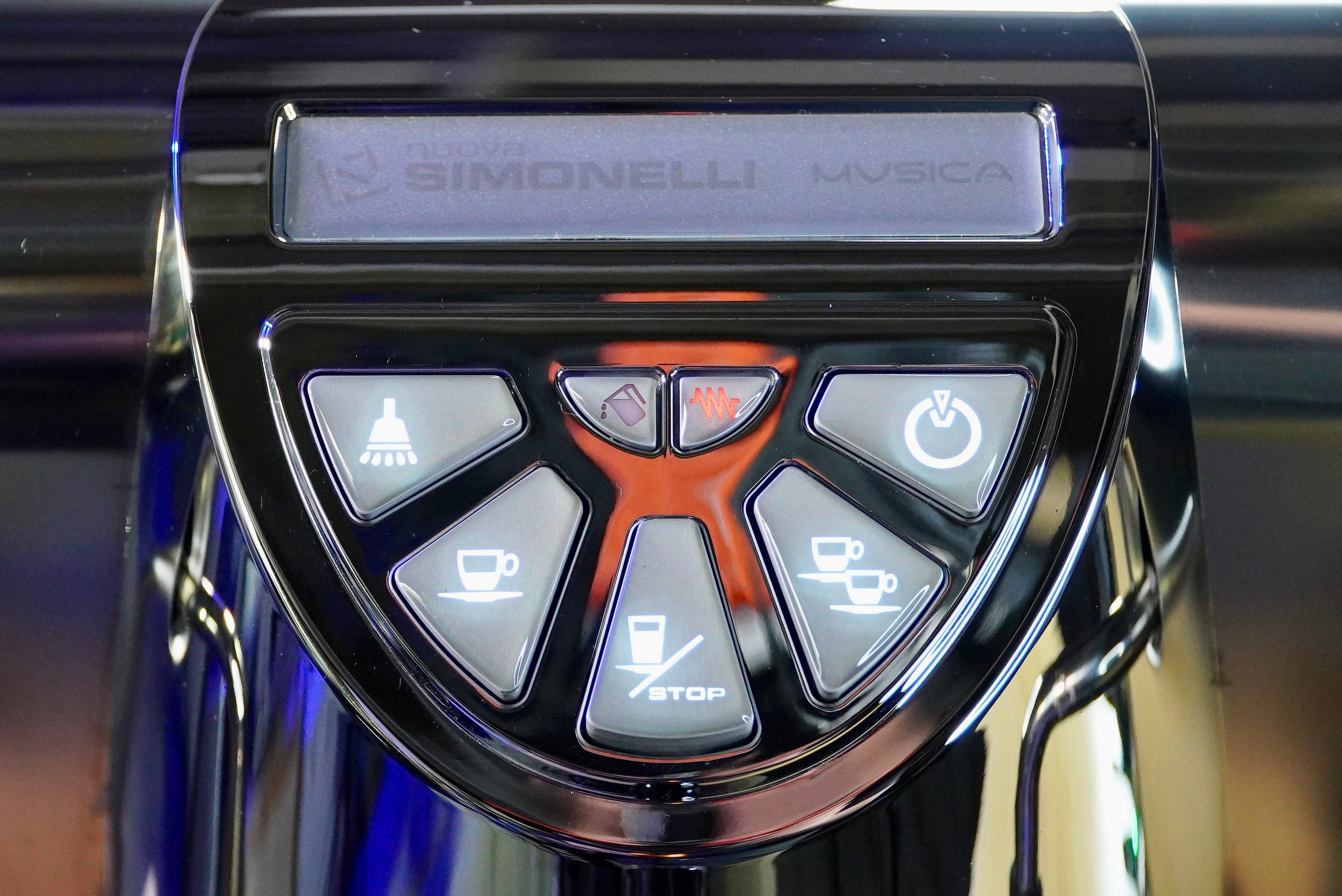
Similarly, name the relevant espresso button or program without assuming all machines control yield the same way. Ask the supplier or trainer to explain the installed configuration. Keep protected technician settings outside the normal adjustment instructions.
Test whether someone else can follow it
Give the draft card to a trained employee who did not write it. Observe without filling in the missing instructions verbally. Note where they hesitate, choose the wrong tool, or interpret a term differently.
Then have another employee use the revised version. Compare the resulting drinks and their measurements. If both need the same explanation, add that information to the card or the associated training routine.
Try the card during a realistic sequence of orders. Type must be readable from the working position, units must be visible, and the card must not create a food-contact or cleaning problem. A protected printed copy or an accessible digital reference can work if staff can actually consult it.
Control changes and retire old copies
Assign a lead to approve recipe changes. Record the reason, date, new target, and any program changes needed. Update copies at every station and explain the change during handoff.
Keep previous versions in a record rather than on the working counter. A second location or mobile cart needs the current version too, with its own setup checked under the actual equipment conditions.
When a seasonal drink uses the house espresso, reference the current espresso recipe rather than duplicating values that may become outdated. Keep the milk, flavor, ice, and final drink instructions on the seasonal recipe itself.
For help matching recipes to equipment controls and training, speak with Dylan and the commercial equipment team.
Sources and further reading
- La Marzocco: Linea PB ABR guide — dose and beverage-mass terminology; functions are model-specific.
- Espresso Outlet: on-demand grinder dosing — settings versus measured output.
The card structure is an original planning aid, not a universal espresso recipe. Sources reviewed September 9, 2026.