





Coffee Slurry Explained
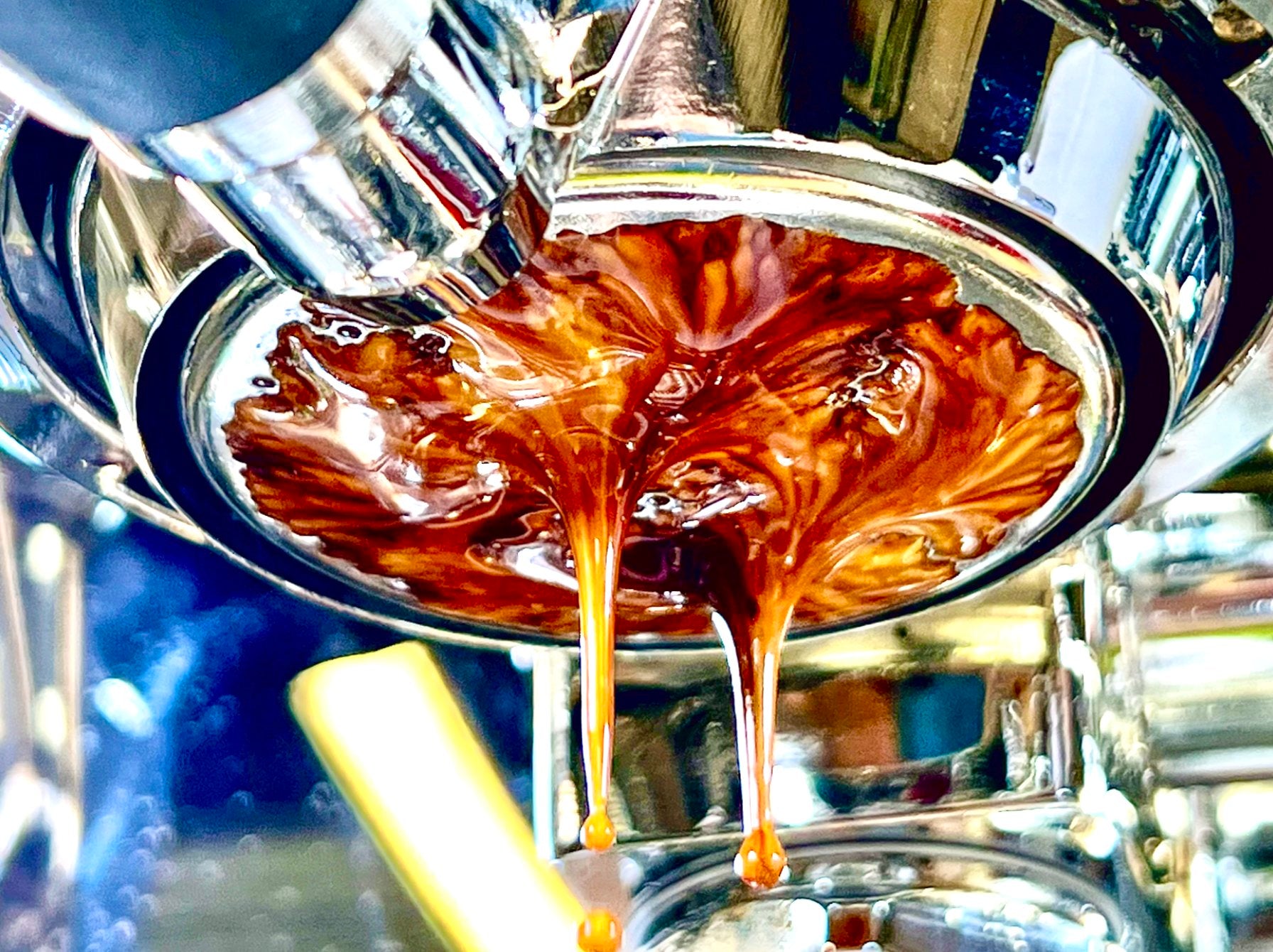
Coffee slurry is the mixture of ground coffee and water that exists while brewing is actively taking place. The term is especially common in pour-over, immersion brewing, cupping, and coffee-extraction discussions because the physical behavior of that mixture affects how quickly and evenly soluble compounds move from the grounds into the beverage.
What is happening inside the slurry?
As water contacts the grounds, gases escape, soluble compounds dissolve, suspended particles move, and the liquid surrounding each coffee particle becomes progressively more concentrated. Extraction therefore changes continuously throughout the brew. Early water is relatively low in dissolved coffee material and can dissolve compounds rapidly; later in the brew, the liquid around the grounds is already more concentrated.
Agitation changes the slurry
Pouring, stirring, swirling, bubbling, and even water entering the bed all create agitation. Agitation can improve contact between fresh water and coffee surfaces, help break up dry pockets, and redistribute particles. It can also move fines deeper into the filter or into less-permeable layers.
That means more agitation is not automatically better. In some pour-over recipes, aggressive stirring or repeated high-energy pours can increase fines migration and slow the drawdown. Our guide to fines migration and filter stalling explains why a brew can begin flowing normally and then choke late in the drawdown.
Slurry temperature
The slurry is usually cooler than the kettle water because the brewer, filter, coffee, and surrounding air absorb heat. Temperature also changes throughout the brew. Preheating equipment, using an appropriate water temperature, and maintaining a sensible water level can improve thermal consistency, but the best target depends on roast level, grinder, recipe, and desired flavor.
Immersion vs. percolation
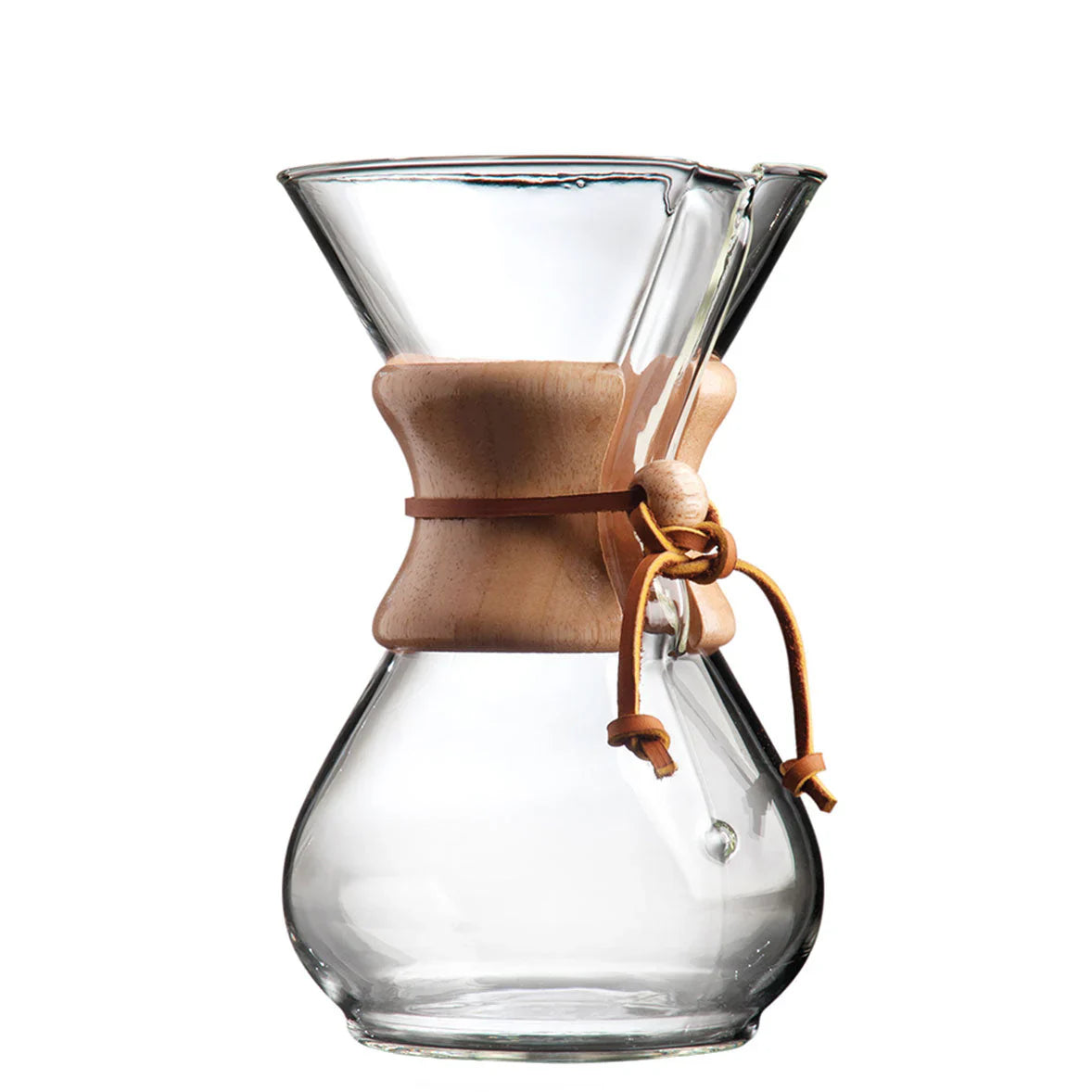
In immersion brewing, most of the water and grounds remain together for much of the contact time. The slurry's concentration rises as extraction proceeds. In percolation brewing such as pour-over, fresh water enters while extracted liquid leaves through the coffee bed. This maintains a different concentration environment and makes flow through the bed a major part of extraction.
Why slurry depth matters
A deeper slurry can increase hydrostatic pressure and alter flow through the bed, while a shallow slurry may lose heat more quickly and expose more of the coffee bed between pours. Neither is universally correct. Continuous pours, pulse pours, cone brewers, and flat-bottom brewers can all create different slurry behaviors even with the same coffee-to-water ratio.
Browse coffee brewing equipment or explore more terminology in the Coffee, Espresso & Brewing Equipment Glossary.