


Coffee Roast Drying Phase
The drying phase is the early portion of a coffee roast in which the beans absorb heat and lose a large share of their free moisture before stronger browning reactions dominate. Roasters often describe it as the period from charge through yellowing, although the exact boundary is a practical convention rather than a sharp chemical switch.
What happens after charge
When room-temperature green coffee enters a hot roaster, bean temperature initially falls on the probe before reaching the turning point and rising again. Heat moves into the coffee by a combination of convection, conduction, and radiation. Water inside the seed warms, migrates, and evaporates.
Green coffee commonly contains roughly 9–12% moisture by mass, though actual values vary. The roaster must supply enough energy to heat both the bean structure and that water without scorching the surface or allowing the roast to lose momentum.
Why yellowing is used as a landmark
As the roast progresses, the green color fades through pale and yellow tones, grassy aromas diminish, and the smell becomes more bread-like or cereal-like. Many roasters mark “yellow” in their logging software as the practical end of drying and the beginning of the browning/Maillard portion of the roast.
Yellowing temperature is machine- and probe-dependent. It should be treated as a repeatable observation on one setup, not a universal number.
Drying time is not a quality score
A common mistake is trying to force the drying phase to occupy a fixed percentage of total roast time. Batch size, green-coffee density, moisture, processing method, roaster design, airflow, and charge conditions all change the appropriate trajectory.
What matters is how the phase sets up the rest of the roast. Too little energy early can produce a sluggish curve and contribute to baked or dull development later. Excessive surface heat can increase the risk of scorching or tipping. See our published guide to common coffee roasting defects for related symptoms.
What to log
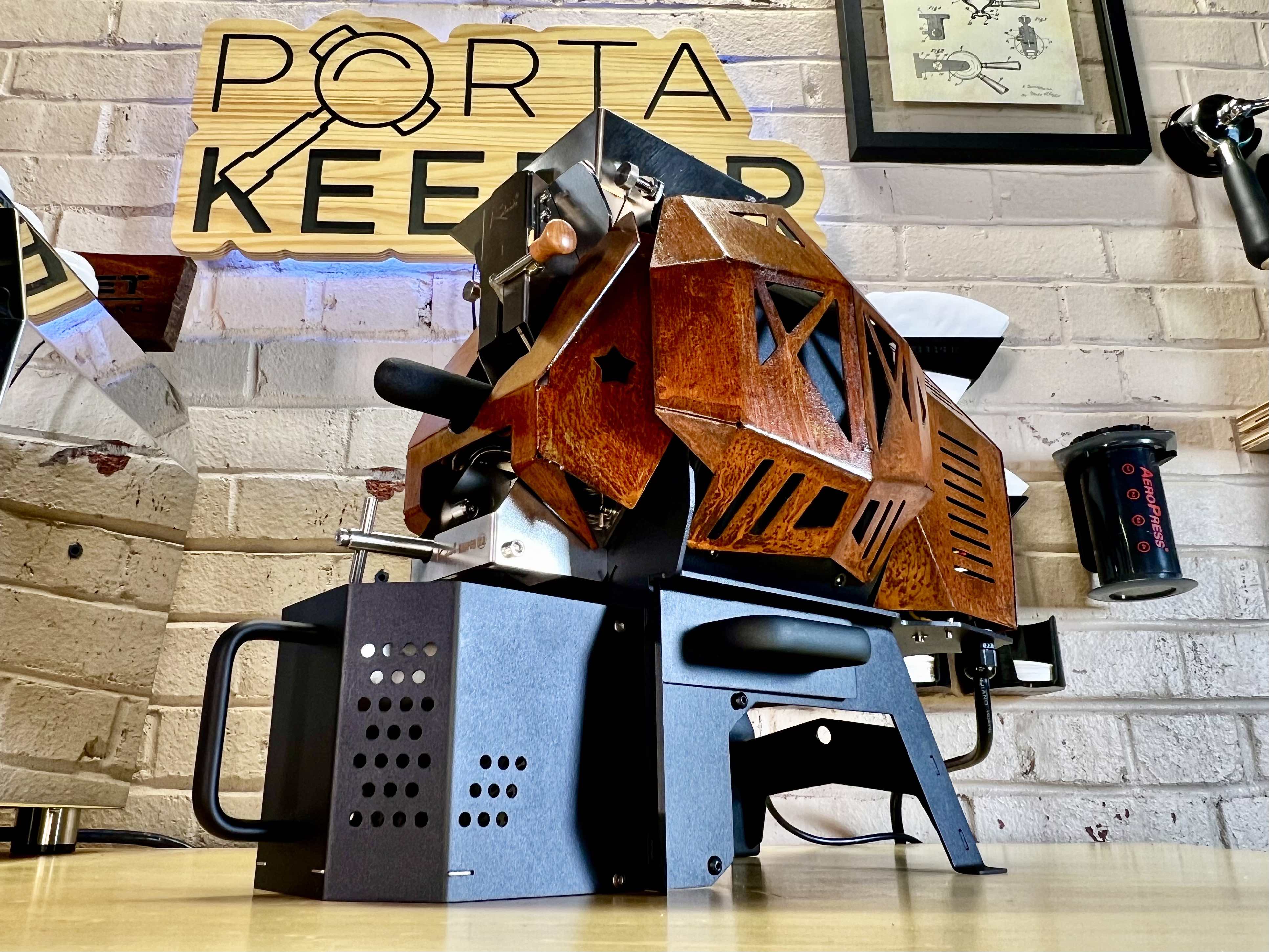
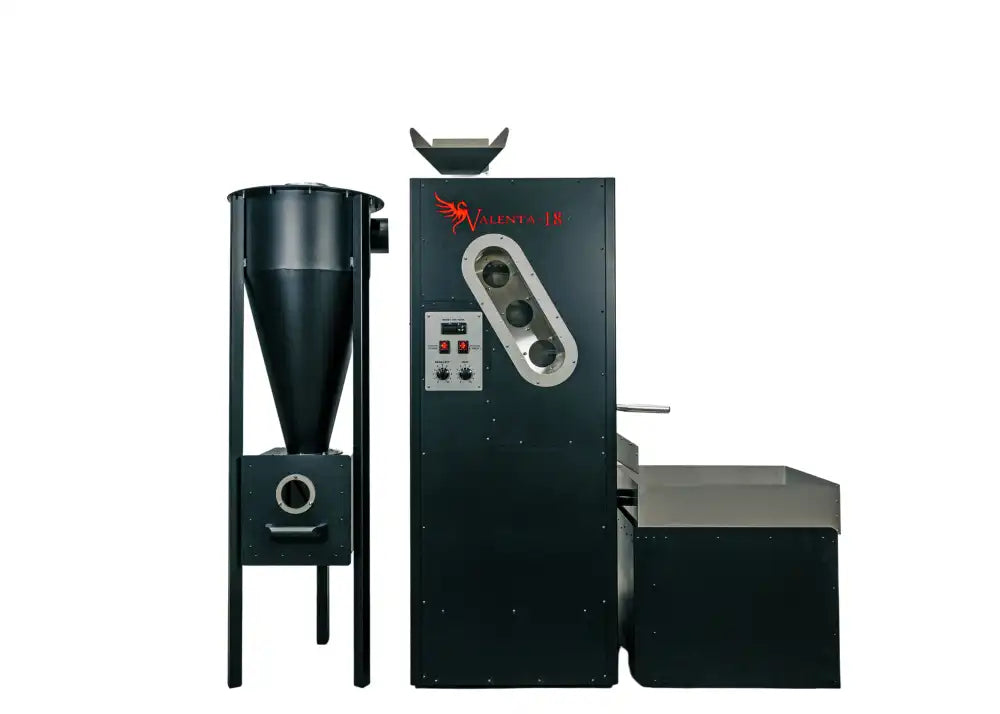
On equipment from our coffee roasters collection, record charge conditions, turning point, yellowing, heat changes, airflow changes, first crack, drop, and weight loss. Pair the data with cupping results. A drying phase is useful because it describes the roast's early energy management—not because one exact duration guarantees good coffee.
Explore more roasting terminology in the Coffee, Espresso & Brewing Equipment Glossary.