Fragrance in Coffee Cupping
In coffee sensory evaluation, fragrance usually refers to the aromatic impression of dry ground coffee before water is added. Once hot water contacts the grounds, tasters often use the term aroma for the volatile compounds released from the wet coffee, although everyday coffee language is less strict.
Why smell the dry grounds?
Grinding dramatically increases coffee's exposed surface area and releases volatile aromatic compounds. Smelling the grounds immediately after grinding can reveal floral, fruity, nutty, spicy, chocolate-like, roasty, stale, or defective impressions before extraction changes the sensory picture.
In cupping, fragrance is one part of a sequence: evaluate dry grounds, add water and assess the wet aroma, break the crust, then taste as the coffee cools. Each stage can reveal different aspects of the coffee.
Fragrance vs. aroma
| Term | Common cupping use |
|---|---|
| Fragrance | Aromatics from dry ground coffee |
| Aroma | Aromatics released after hot water is added |
| Flavor | Combined taste and retronasal aroma perceived while drinking |
These categories are useful for disciplined tasting, but they are not rigid laws of casual coffee conversation.
What affects coffee fragrance?
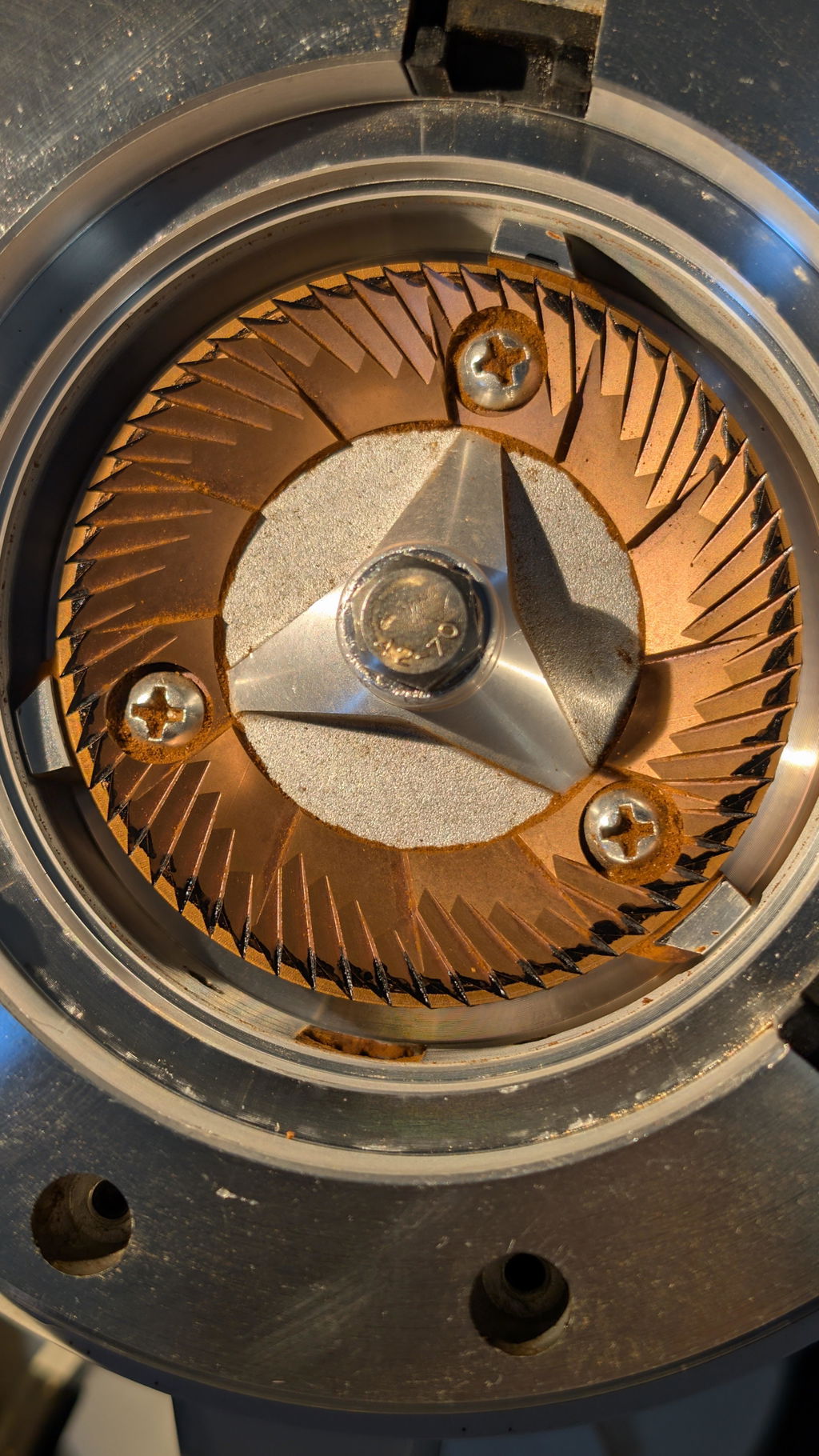
Origin, variety, processing, roast profile, freshness, storage, grinder cleanliness, and grind temperature can all influence what is perceived. Very stale coffee often has muted fragrance because volatile compounds have dissipated or oxidized. A grinder contaminated with old coffee oils can add aromas that do not belong to the sample.
How to evaluate it consistently
Use the same coffee dose, grind setting, cup or bowl, and time after grinding when comparing samples. Smell more than once, but avoid exhausting the senses by taking continuous deep sniffs. Write broad impressions first, then become more specific only when confident.
A flavor vocabulary can help organize observations. Our published guide to coffee flavor notes explains why descriptors are sensory comparisons rather than added ingredients.
Fragrance is useful, but the cup decides
An intense dry fragrance can be exciting, but brewed flavor, sweetness, acidity, body, aftertaste, cleanliness, and balance determine whether the coffee is enjoyable. Some aromatic compounds change dramatically once water and temperature enter the system.
Return to the Coffee, Espresso & Brewing Equipment Glossary.