


Duty Cycle in Coffee Equipment
Duty cycle describes how long a machine or component is designed to operate under load compared with how much rest or recovery it requires. In coffee equipment, the term is especially relevant to grinder motors, pumps, heating systems, and machines expected to handle repeated drinks during busy service.
Duty cycle is not the same as maximum speed
A grinder may grind one dose very quickly yet still be unsuitable for dozens of back-to-back doses. A motor, bearings, electronics, or burr chamber can accumulate heat faster than it can shed it. Likewise, an espresso machine may pull a single excellent shot but lack the boiler power or steam recovery needed for a sustained café rush.
Grinder duty cycle
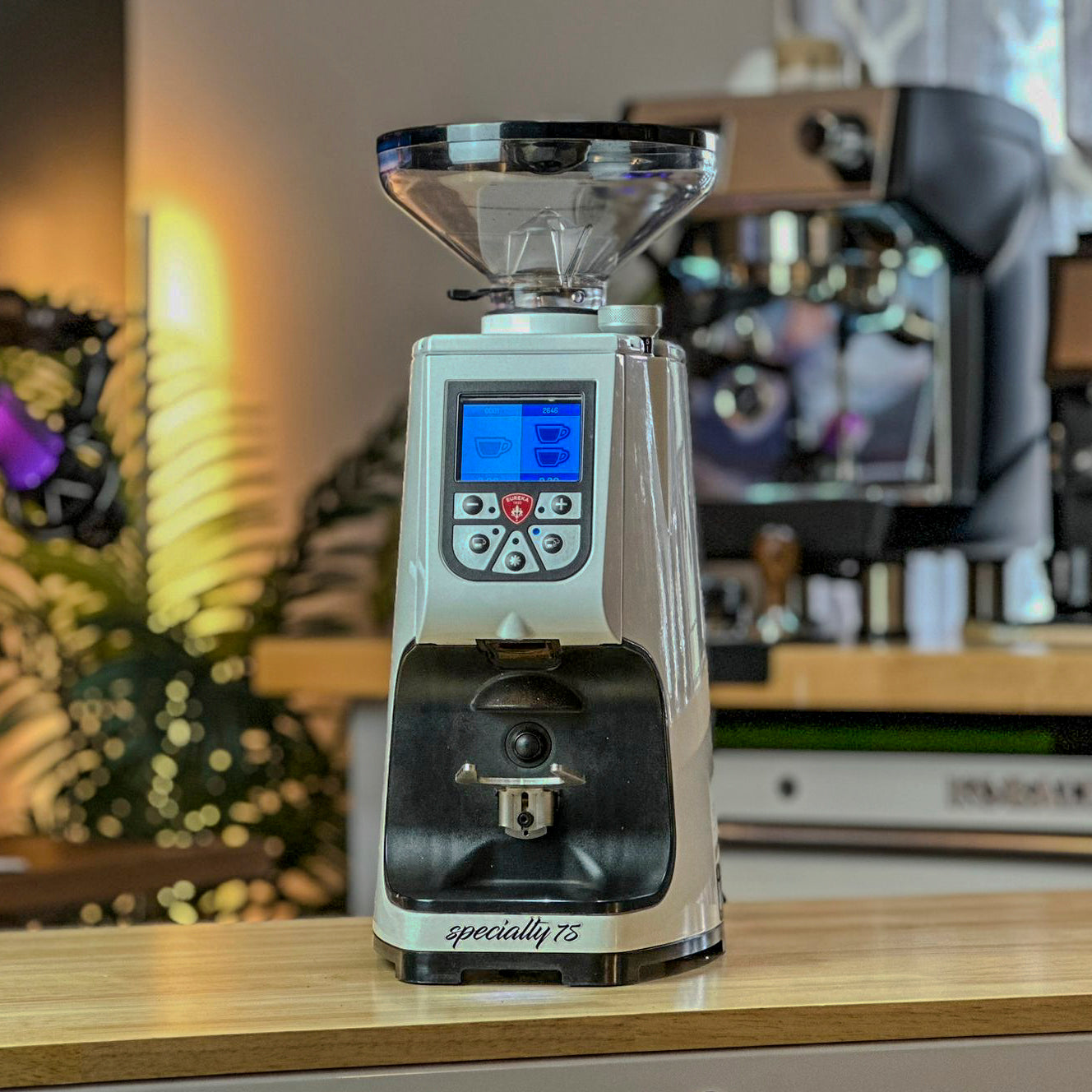
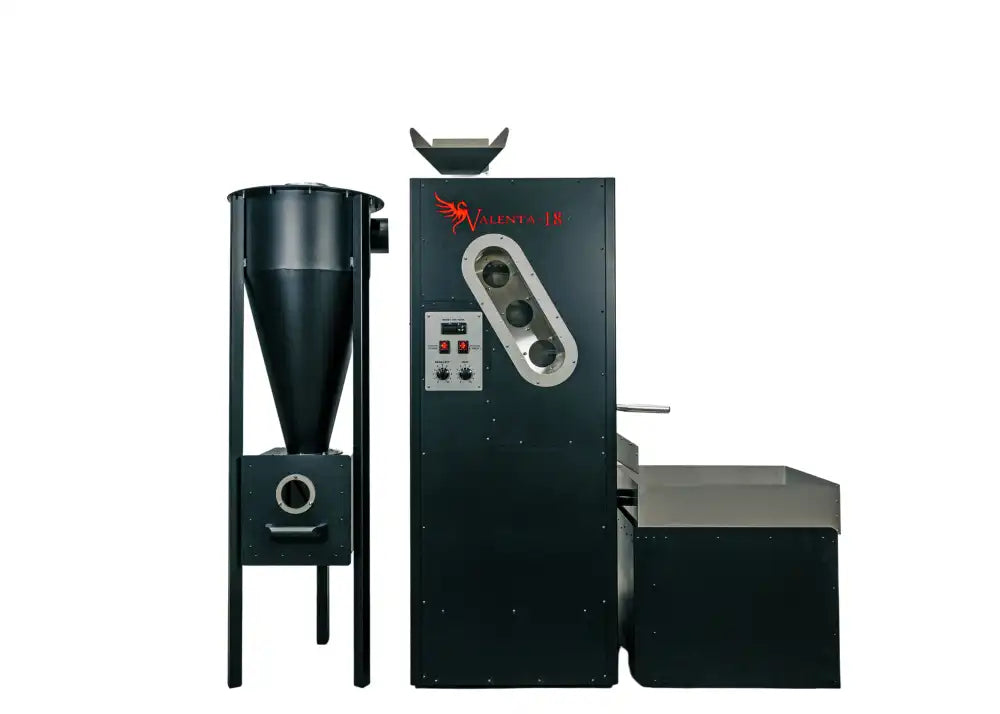
Commercial grinders are generally built around higher continuous workloads than home grinders. Larger motors, cooling, heavier bearings, robust switches, and burr sets designed for throughput help them tolerate repeated grinding.
Heat matters because rising burr and chamber temperature can change grind behavior and accelerate wear. If a manufacturer publishes a maximum run time, recommended kilograms per day, or rest interval, that guidance is more useful than assuming that a physically large grinder is automatically continuous-duty.
For café-oriented options, see our commercial coffee grinders.
Espresso-machine duty cycle
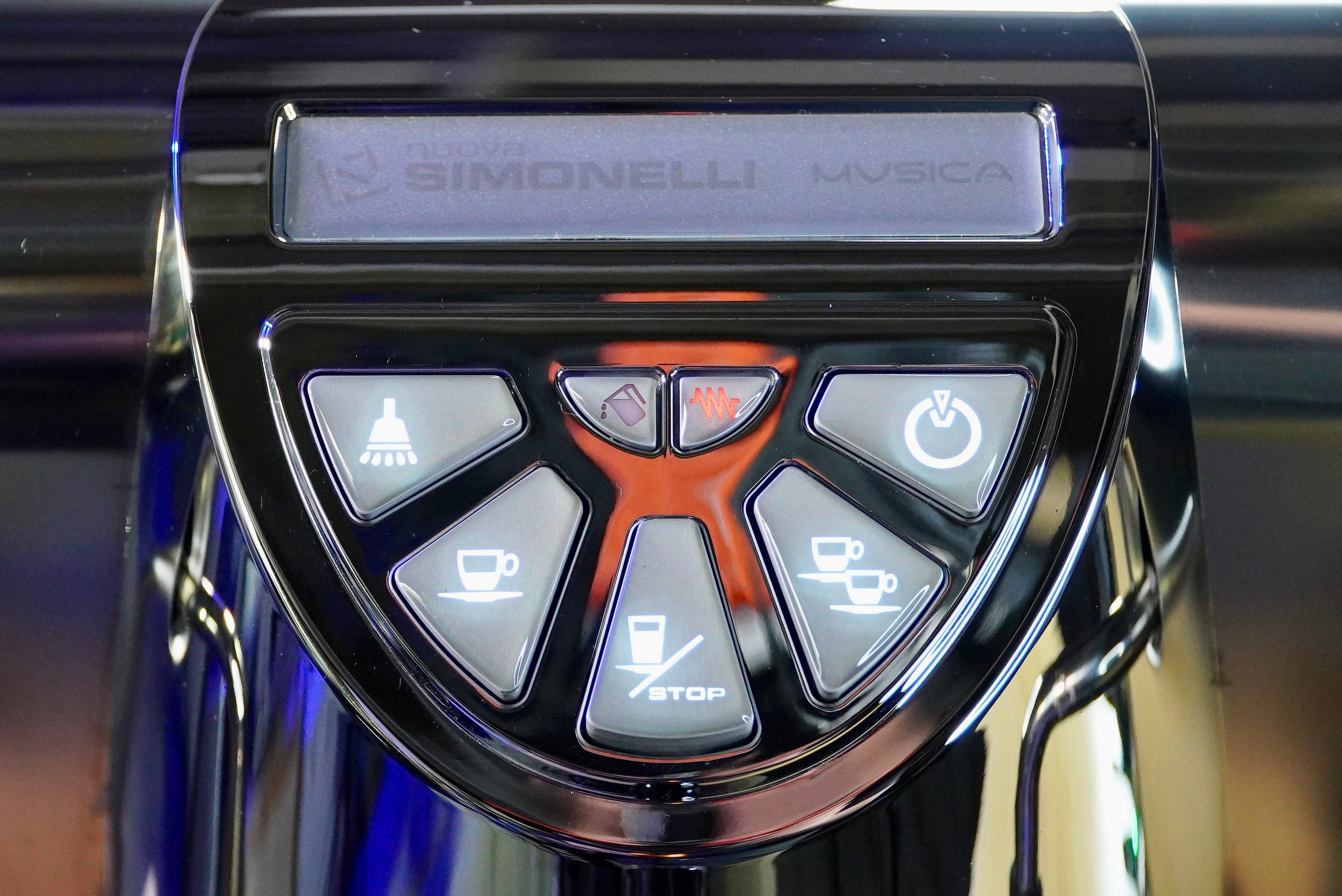
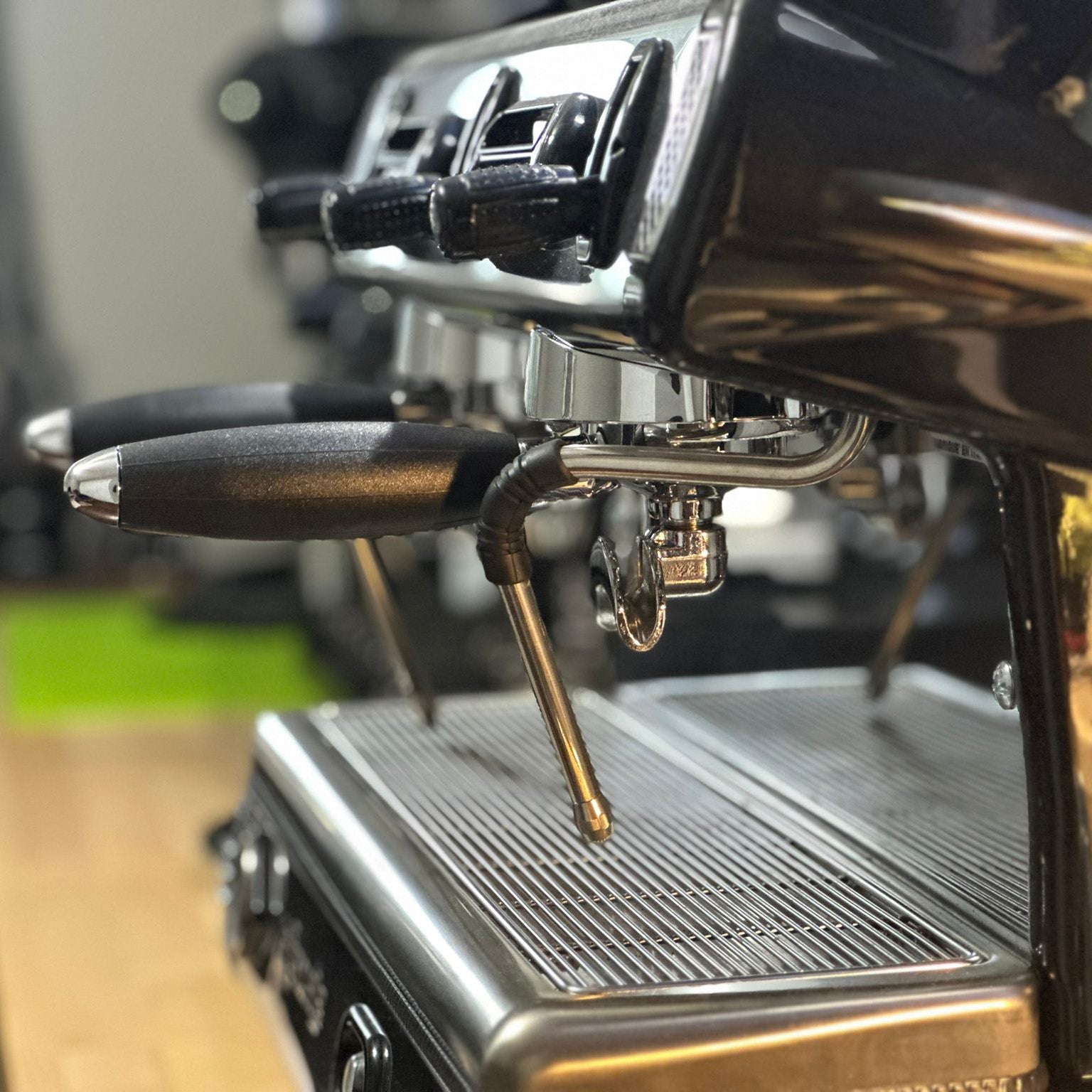
For espresso machines, the limiting factor is often recovery rather than a simple on/off timer. Boiler volume, heater wattage, group count, steam demand, pump design, incoming water temperature, and electrical service determine how well the machine keeps up.
A machine can be “commercial” yet still be sized for low-volume service. Conversely, a multi-group machine with strong steam capacity and adequate electrical power can maintain temperature and pressure through sustained use.
Why café owners should care
Buying only for average daily volume can be misleading. Peak-hour demand matters more. If a café sells 200 drinks per day but 80 arrive in one morning hour, equipment must survive and recover through that concentrated workload.
When planning from our commercial coffee equipment selection, consider peak cups per hour, milk-drink percentage, grinder redundancy, and utility limits—not just total drinks per day.
Signs equipment is being pushed too hard
Symptoms can include slowing grind speed, hot grounds, thermal shutdowns, breaker trips, falling steam pressure, long boiler recovery, inconsistent brew temperature, or premature component wear. These do not always prove a duty-cycle problem, but they are signals to compare the workload with the manufacturer's intended use.
See more equipment terms in the Coffee, Espresso & Brewing Equipment Glossary.