


City Roast Coffee: What the Traditional
City roast is a traditional coffee-roasting term generally used for a relatively light roast taken through first crack and developed enough to lose obvious raw or grassy character while preserving substantial origin flavor and acidity. The problem is that City is not a tightly standardized roast level. Two roasters can use the same label for coffees that differ visibly and sensorially.
For that reason, City roast is best treated as historical shorthand rather than an exact temperature, color, or development target.
Where City roast sits on traditional roast scales
Older roast-degree language often moves through terms such as Cinnamon, City, City+, Full City, Vienna, French, and Italian. In broad terms, City usually falls on the lighter side of that sequence, while Full City is more developed and closer to second crack.
| Traditional term | Very broad interpretation |
|---|---|
| City | Light to light-medium; after first crack with origin character prominent |
| City+ | Slightly more developed than City |
| Full City | Medium to medium-dark; more caramelized roast character |
| Vienna / French | Progressively darker, with stronger roast-derived flavor |
Those descriptions are approximate. Different roasting traditions use the terms differently.
Why temperature does not define City roast
A statement such as “City roast ends at exactly X degrees” is unreliable unless the roaster, probe, batch size, and measurement system are specified. Bean-temperature probes do not read every bean's internal temperature directly, and the same sensory roast degree can appear at different displayed temperatures on different machines.
Roasters therefore use multiple signals: bean color, aroma, time after first crack, rate of rise, surface texture, weight loss, and—most importantly—the brewed cup.
What City roast often tastes like
When well developed, a lighter City-style roast may emphasize fruit, florals, acidity, and origin-specific character while showing less smoke, carbon, or heavy roast bitterness. Body can be lighter and solubility lower than in darker roasts, which may require finer grinding, hotter water, longer contact, or other recipe adjustments.
A light color alone does not guarantee good development. Coffee can be light and sweet, or light and underdeveloped. Underdeveloped coffee may taste vegetal, grainy, peanut-like, sharply sour, or unusually difficult to extract.
Agtron and objective roast-color measurement
For repeatable production, instrumental color measurement such as Agtron is more useful than names like City or Full City. A roaster can record whole-bean and ground color, roast loss, and profile data so a production target is measurable rather than purely descriptive.
Should you use “City roast” on a coffee bag?
You can, but customers may interpret the term differently. Many specialty roasters instead use simpler labels such as light, medium, and dark, sometimes with a roast-color number or sensory explanation. If City is used, explaining what it means for that particular coffee is more useful than assuming a universal definition.
Watch Roast Levels Change in Real Time
Sweet Maria's compares visual roast levels through first crack and beyond, which is useful context for traditional terms such as City and Full City.
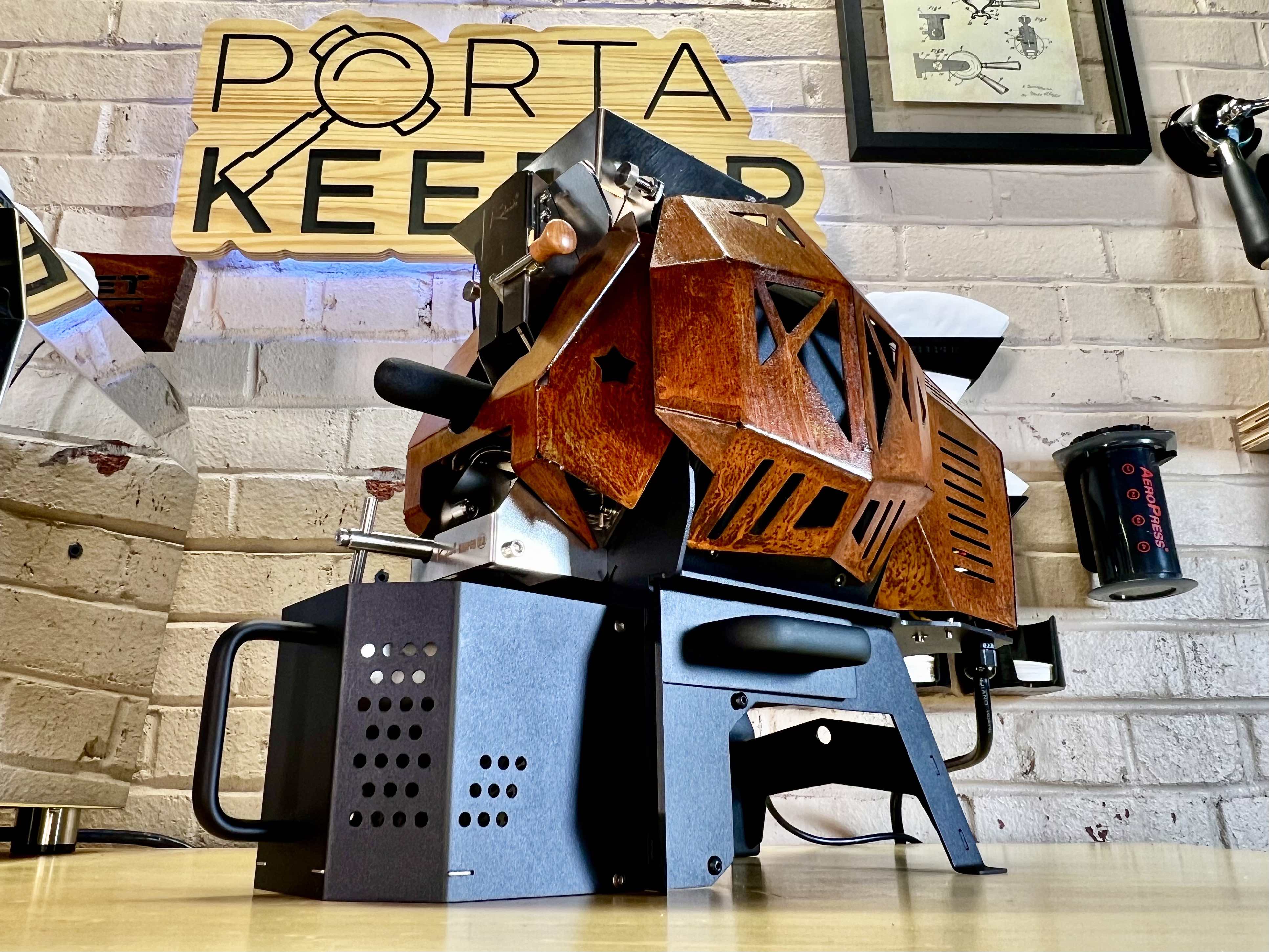
Explore Espresso Outlet's coffee roasters, and see related terms including first crack, Full City roast, Agtron, roast development, development phase, rate of rise, and drop temperature in the Coffee, Espresso & Brewing Equipment Glossary.