


Barista Lights on Espresso Machines: What They Do and Why They Matter
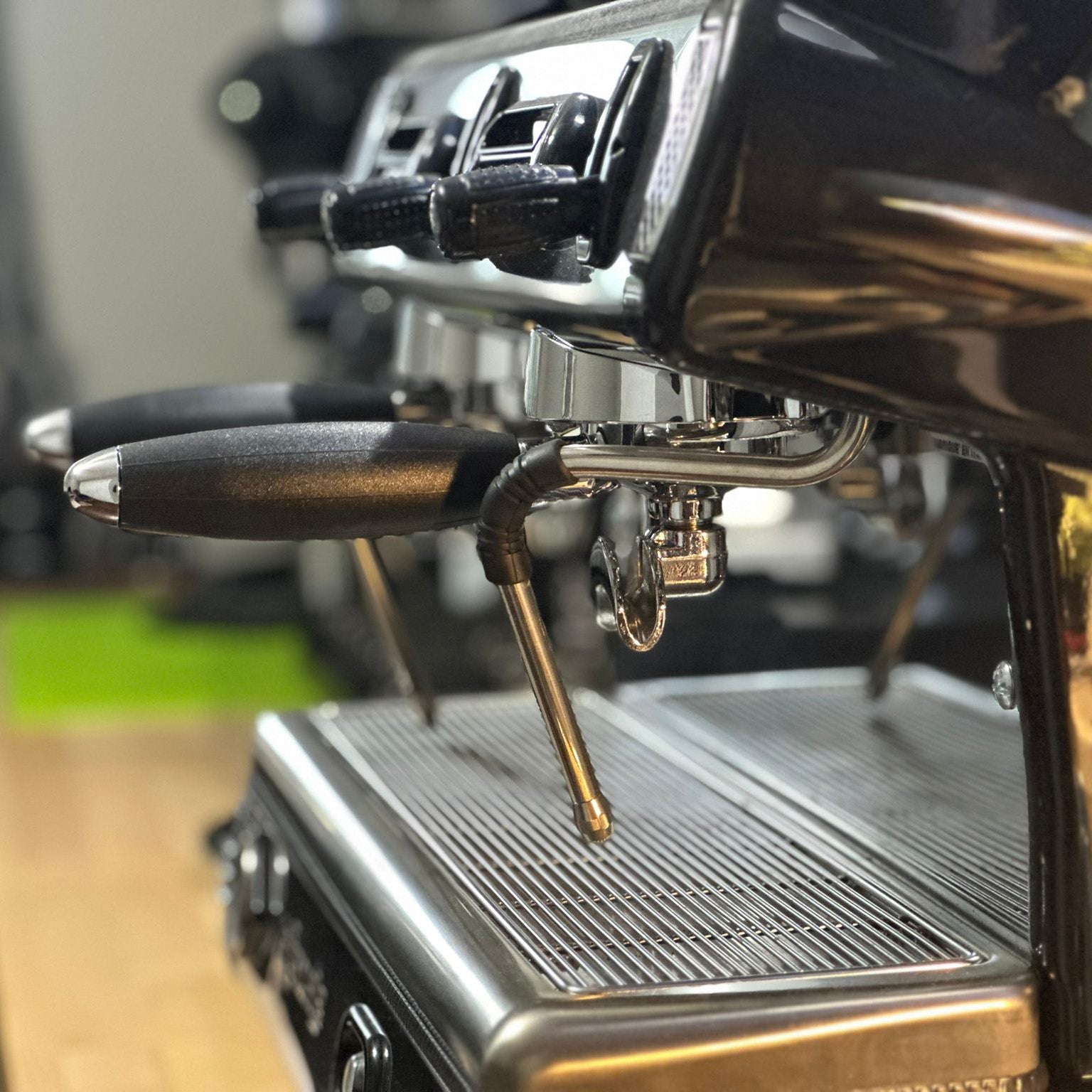
Barista lights are integrated lights that illuminate the working area of an espresso machine, usually the space beneath the grouphead and above the drip tray. They may seem like a cosmetic feature, but on a busy bar they can make extraction, cup placement, cleaning, and visual troubleshooting easier.
The most useful barista lights are aimed at the actual work surface rather than simply adding decorative illumination to the machine. On some machines the light is always on when the machine is powered; on others it may be switched or controlled through the display.
What barista lights help you see
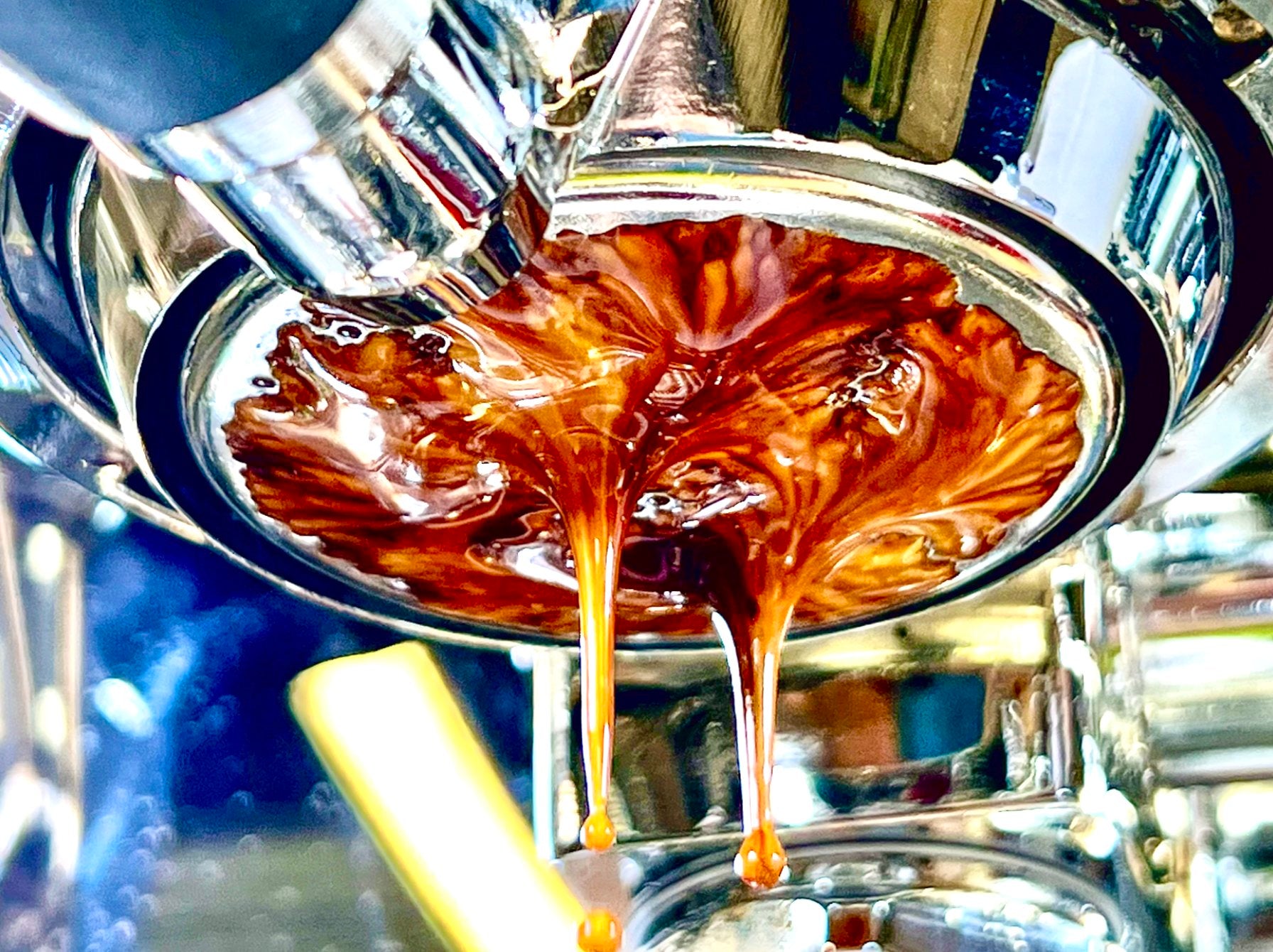
- Espresso flow: easier visibility of the streams leaving a spouted or bottomless portafilter.
- Cup position: useful when the bar is dim, crowded, or the machine has a deep group area.
- Channeling and spraying: better lighting makes irregular bottomless-portafilter flow easier to spot.
- Drips and residue: grounds around the group, coffee on the drip tray, and splashes become easier to notice during service.
- Shot color: lighting can make changes in crema and late-shot blonding easier to observe, although color should never replace taste and measured brew parameters.
Why lighting matters more in commercial settings
A home barista may pull only a few drinks at a time, while a café can repeat the same movements hundreds of times during a shift. Small ergonomic improvements matter more at that scale. A well-lit group area helps a barista place cups quickly, verify that both streams are landing correctly, and notice a dirty or mis-seated portafilter before it becomes a larger problem.
Lighting can be especially useful on machines with raised groups, wide drip trays, or multiple groups. If you are comparing professional equipment, look beyond the number of groups and boiler specifications and consider the complete working environment. Espresso Outlet's commercial espresso machine collection includes machines designed for different café volumes and workflows.
Barista lights and bottomless portafilters
A bottomless portafilter exposes the underside of the basket, making it possible to watch where espresso first appears and whether the streams converge evenly. Good task lighting can make that diagnostic view much clearer. Spraying, isolated jets, or an extraction that develops unevenly can point toward puck-preparation problems such as channeling, uneven distribution, or edge gaps.
That does not mean a beautiful-looking extraction is automatically a good-tasting one. Use lighting as a diagnostic aid alongside dose, yield, shot time, and taste rather than treating appearance as the final judge.
What to look for when comparing barista lights
| Feature | Why it matters |
|---|---|
| Placement | Light should reach the cup and extraction area without being blocked by the group or portafilter. |
| Brightness | Enough illumination to be useful without creating glare for the barista. |
| Color consistency | Neutral-looking light makes it easier to judge cleanliness and espresso appearance. |
| Serviceability | Commercial machines benefit from lighting components that can be accessed if they eventually fail. |
| Cleaning resistance | The installation should tolerate normal splashes and routine wipe-downs. |
Do you need barista lights?
No. They do not improve temperature stability, pressure control, or extraction by themselves. A machine without integrated lighting can make excellent espresso. But they are a useful quality-of-life feature, especially where the machine is used for long shifts or the ambient lighting is less than ideal.
When shopping for a home machine, prioritize thermal performance, workflow, steaming capacity, serviceability, and the grinder before treating lighting as a deciding factor. You can compare current options in the home espresso machine collection.
See the Coffee, Espresso & Brewing Equipment Glossary for related terms including bottomless portafilter, blonding, grouphead, shot timer, and raised group.