Ethiopian Yirgacheffe Green Coffee 1 lb
- Green Coffee and Roasted Coffee does not qualify for free shipping. Shipping costs are set by our roaster partners. Coffee orders are shipped directly from the roaster partner.
- In stock, ready to ship
- Backordered, shipping soon
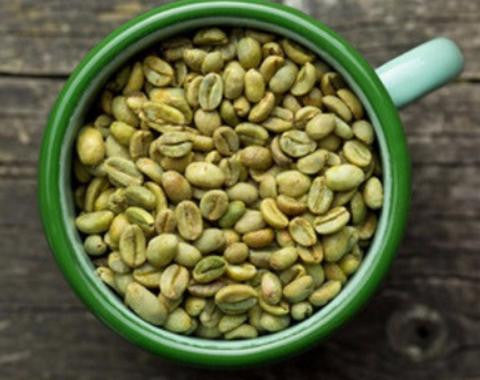
UNROASTED GREEN COFFEE BEANS — MUST BE ROASTED BEFORE GRINDING OR BREWING.
Ethiopian Yirgacheffe Green Coffee 1 lb for Home Roasting
This dedicated one-pound listing makes a practical sample or gift for a home roaster. The format encourages controlled experiments with one aromatic coffee and several roast endpoints. These Ethiopian Yirgacheffe green coffee 1 lb arrive raw and unroasted, giving you direct control over color, development, resting time and final brew style. They are not ready-to-brew brown coffee beans.
In the cup, the supplier describes wine-like fruit, cinnamon and sweet strawberry. The overall impression is pleasant acidity, rich body and a complex aroma. Because roast equipment, batch size and technique all affect flavor, use these notes as targets for profile development rather than a guarantee of an identical result in every roaster.
Green Coffee Details
| Product | Ethiopian Yirgacheffe Green Coffee 1 lb |
|---|---|
| Origin | Yirgacheffe, Ethiopia |
| Coffee | Ethiopian Arabica |
| Processing | Green coffee; specific processing method is not listed |
| Flavor direction | wine-like fruit, cinnamon and sweet strawberry |
| Available options | Regular |
What This Green Coffee Can Taste Like
This dedicated one-pound listing makes a practical sample or gift for a home roaster. The format encourages controlled experiments with one aromatic coffee and several roast endpoints. Roast degree will change the balance: lighter development generally keeps origin-led aromatics and acidity more visible, while longer development tends to build caramelized sweetness, body and roast character. Pleasant acidity, rich body and a complex aroma is the central goal for this coffee.
Suggested Home-Roast Approach
This one-pound format is ideal for profile testing. Divide the bag into small batches and compare light and light-medium drops, keeping development measured to protect fruit and spice.
Build a repeatable profile
- Know the machine. Follow the roaster manufacturer’s capacity, ventilation and fire-safety instructions.
- Use a consistent batch. Changing batch weight can change heat transfer and timing, so hold it steady while testing.
- Watch and listen. Color, aroma, smoke, bean movement and first-crack behavior matter more than copying another machine’s temperature.
- Change one variable. Adjust heat, airflow or development time individually so the result teaches you something useful.
- Cool quickly. Prompt cooling limits carryover development and makes your chosen endpoint more repeatable.
Brewing After Roasting
After roasting and resting, cup the batches side by side or brew with pour-over to compare aroma, sweetness and acidity. Freshly roasted coffee releases carbon dioxide, so allow an appropriate rest before judging the result. A useful starting window is several days, but very light or espresso-focused roasts may benefit from longer. Taste on more than one day rather than deciding from the first brew.
Who Should Choose This Coffee?
Home roasters who want a one-pound Yirgacheffe trial without committing to a bulk size. It can also be useful for a side-by-side roast experiment: divide the order into matched batches, choose two development endpoints and cup them together. That simple comparison often reveals more than changing several roast variables at once.
Complete the Roast-to-Cup Setup
Compare this lot with more specialty coffee, browse the full coffee roaster collection, or see additional home coffee grinders.
Frequently Asked Questions
Are these beans already roasted?
No. Ethiopian Yirgacheffe Green Coffee 1 lb is sold as raw green coffee and must be roasted before it can be ground and brewed.
What flavors should I expect?
The published direction includes wine-like fruit, cinnamon and sweet strawberry. Your roast profile, water, grinder and brew recipe will influence which notes are most noticeable.
What roast level should I try first?
This one-pound format is ideal for profile testing. Divide the bag into small batches and compare light and light-medium drops, keeping development measured to protect fruit and spice. Begin with a small test batch and change only one variable on the next roast.
Which brew method fits this coffee?
After roasting and resting, cup the batches side by side or brew with pour-over to compare aroma, sweetness and acidity. The best method is the one that highlights the traits you want from your chosen roast.
Explore coffee and equipment
Green Coffee and Roasted Coffee does not qualify for free shipping. Shipping costs are set by our roaster partners. Coffee orders are shipped directly from the roaster partner.