






What Is Body in Coffee? Mouthfeel, Texture
In coffee, body describes the perceived weight, thickness and physical presence of the beverage in your mouth. A coffee can feel light and tea-like, medium and silky, or heavy and syrupy.
Body is not the same as strength
Strength is the concentration of dissolved coffee solids, commonly measured as TDS. Body is a sensory impression. A concentrated coffee can still feel relatively clean and light, while a less concentrated brew can feel creamy because of oils, suspended particles and texture.
What creates body?
- Dissolved solids
- Suspended fine particles
- Emulsified and suspended oils
- Roast development and coffee structure
- Grind distribution
- Filter material
- Brew ratio and extraction
How brew methods affect body
| Method | Typical body | Why |
|---|---|---|
| Espresso | High | High concentration, emulsified oils, suspended particles and crema |
| French press | Medium to high | Metal mesh allows oils and fines through |
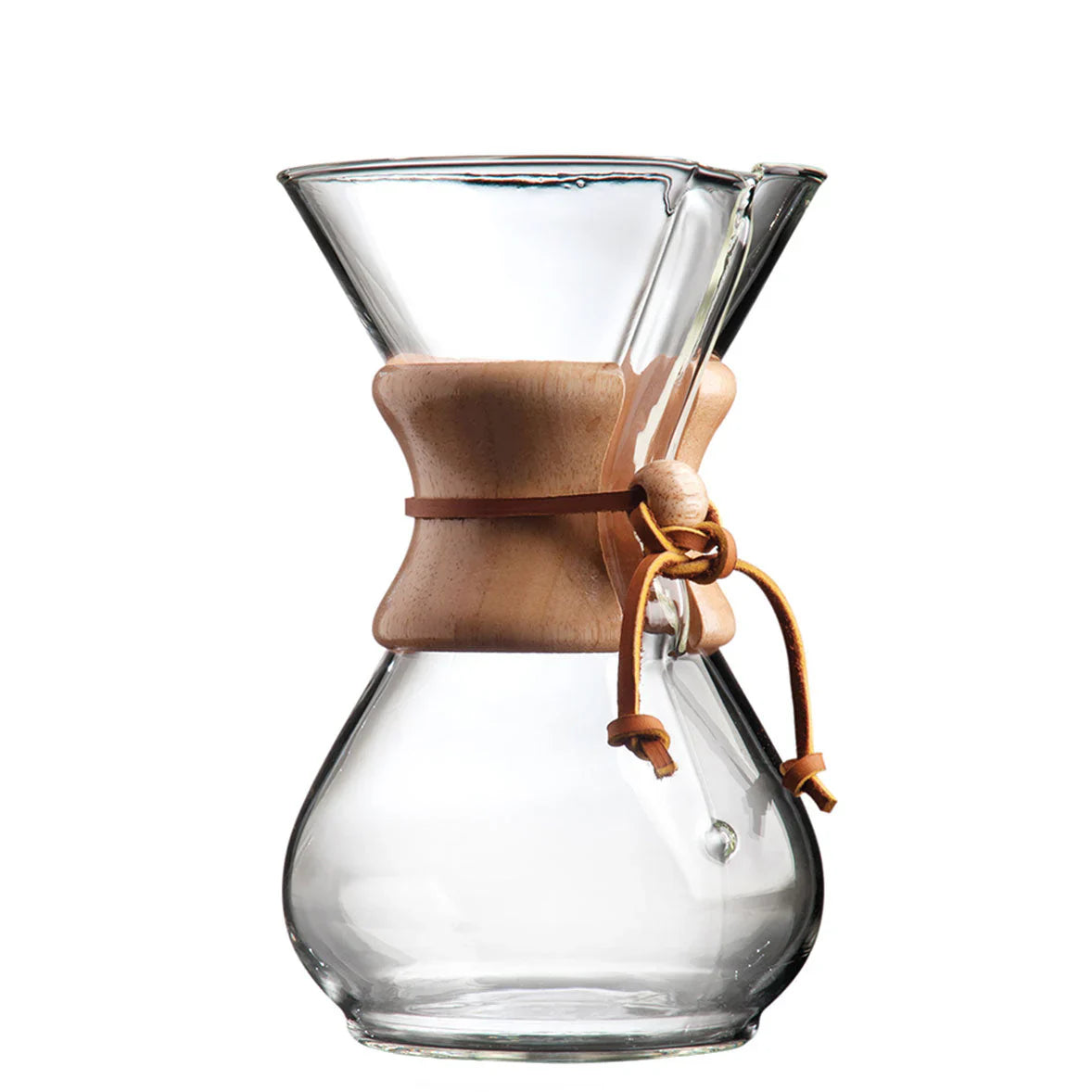
| Paper pour-over | Light to medium | Paper removes many oils and fine particles |
| Metal-filter pour-over | Medium to high | More oils and sediment remain |
Does darker roast mean more body?
Often darker roasts feel heavier or more rounded, but it is not automatic. Roast level changes solubility and structure, while the coffee's genetics and brewing method remain important. Very dark coffee can also taste hollow if much of the origin character has been replaced by roast flavor.
How grinders affect body
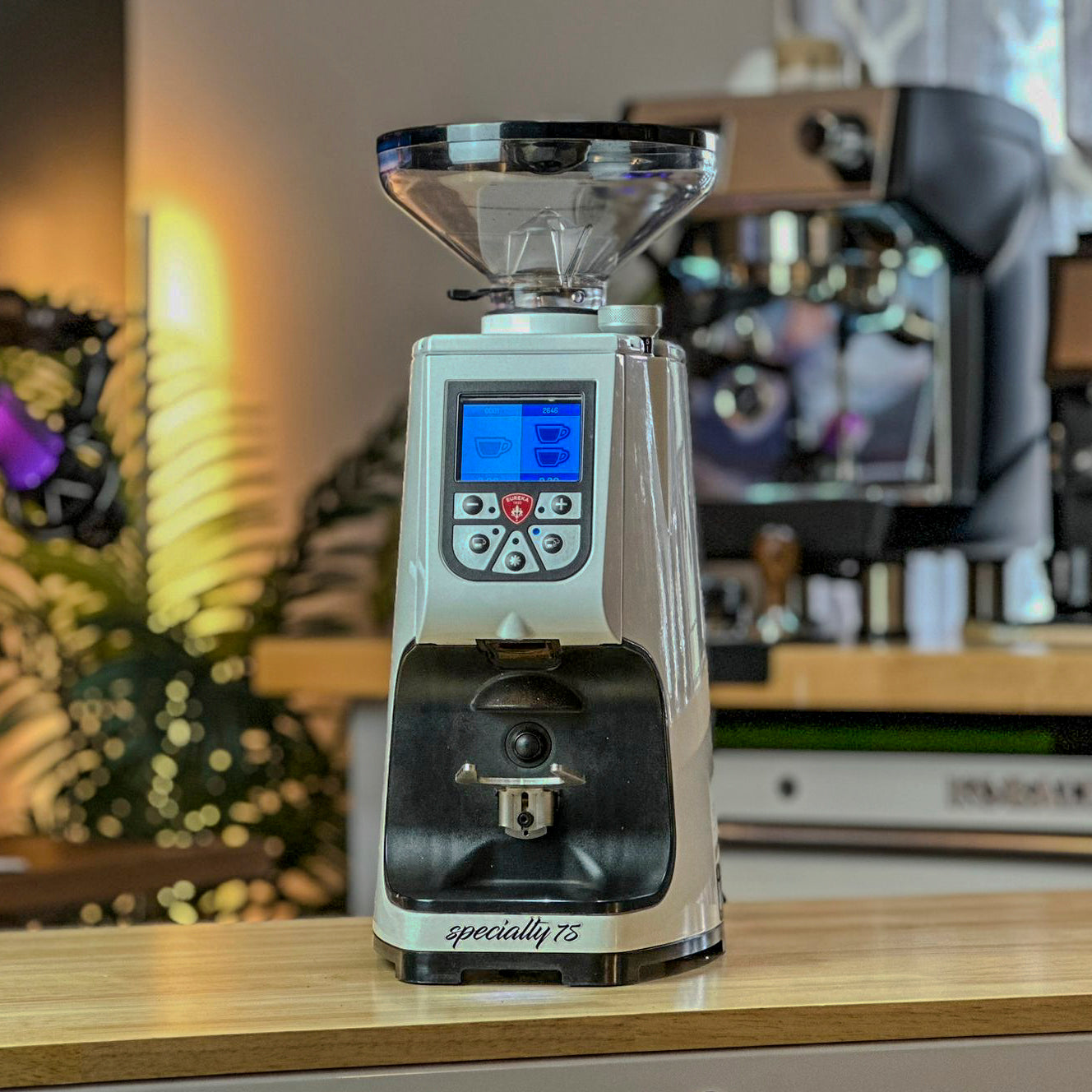
Burr geometry changes particle-size distribution. Some espresso burrs produce more fines and a broader distribution, which can support traditional texture and blended flavors. Other burrs are designed for greater clarity and separation, often producing a lighter perceived body.
This is why grinder choice can change mouthfeel even when the espresso machine and coffee remain the same. Browse home coffee grinders if you are comparing grind styles.
How to increase body
- Use a slightly stronger brew ratio.
- Choose a brew method or filter that retains more oils.
- Try a coffee or roast style known for heavier texture.
- For espresso, consider a burr set that favors body rather than extreme clarity.
- Avoid under-extraction, which can make coffee feel thin and hollow.
How to reduce body and increase clarity
Use paper filtration, a clarity-focused grinder, lower agitation where appropriate and a recipe that avoids excessive suspended fines. In espresso, longer ratios can reduce concentration and make flavors easier to separate.
Body vs. mouthfeel
Body is one part of mouthfeel. Mouthfeel also includes creaminess, dryness, astringency, coating sensation and texture. Two coffees can have similar body but very different tactile quality.
See related sensory terms in the coffee glossary.