


Single Espresso Explained
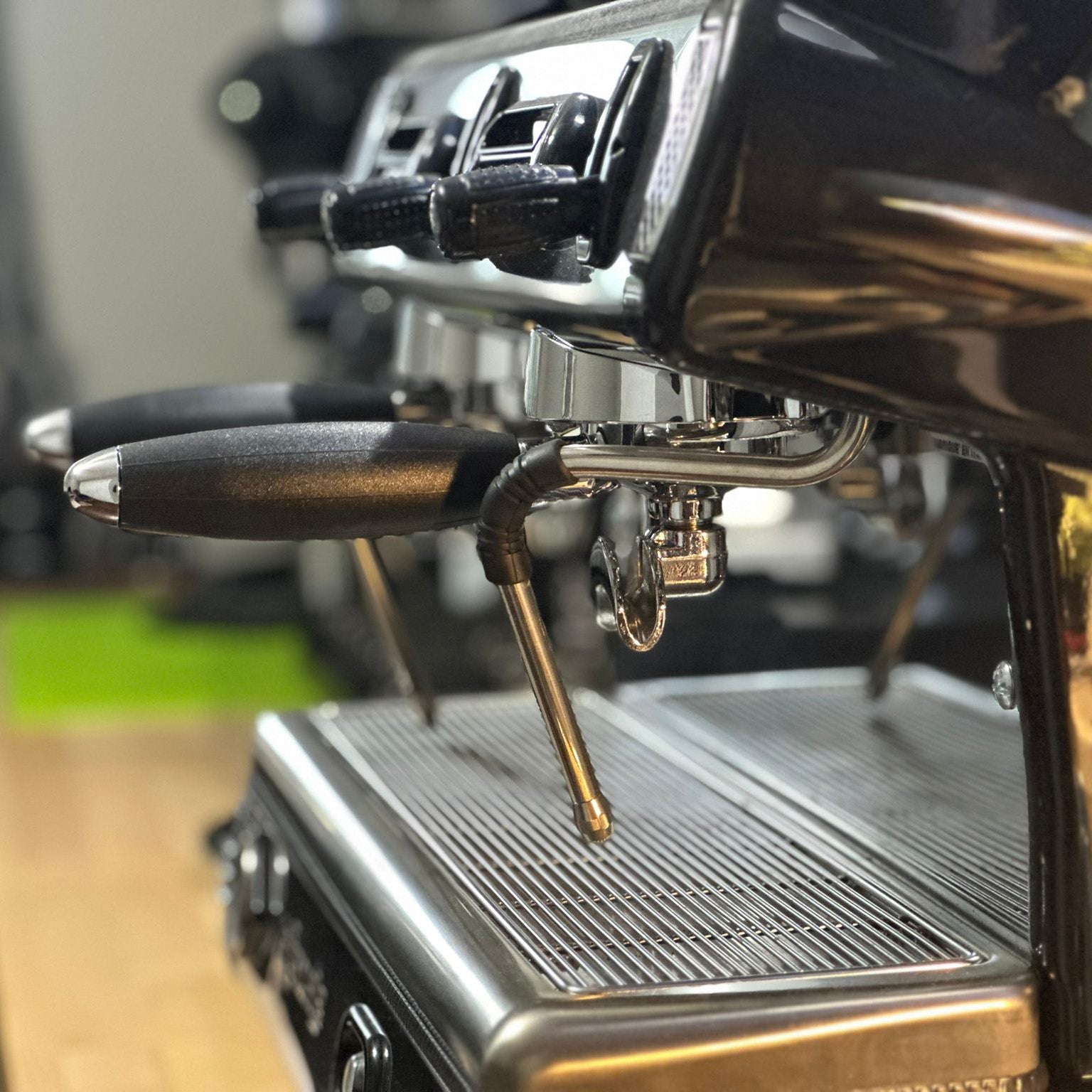
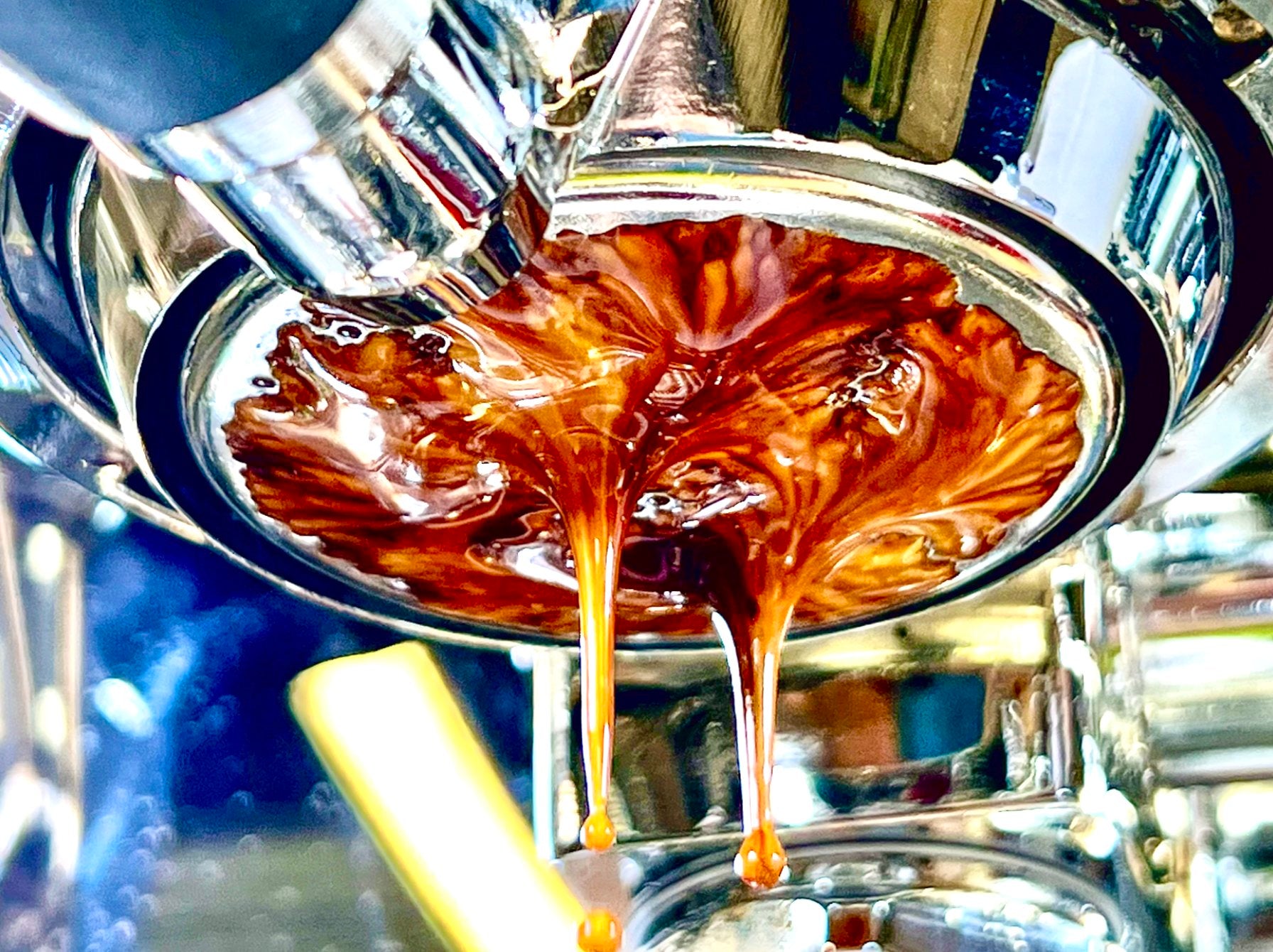
A single espresso is one serving of espresso, traditionally prepared with a smaller single basket and a lower coffee dose than a double. In modern specialty cafés, however, the phrase can describe the serving rather than the basket because many bars pull double-basket recipes almost exclusively.
Traditional single baskets
A classic single basket is narrower or tapered toward the bottom and may hold roughly half the coffee of a double basket, depending on design. Its unusual geometry can make water flow and puck depth different from a straight-sided double basket.
Why singles can be harder to dial in
Smaller doses create a shallower coffee bed and some single baskets have a reduced perforated area. Grind settings that work perfectly in a double basket may not transfer directly. Distribution can also be more difficult because of the basket's shape.
Modern café practice
Many specialty cafés use one standard double-basket recipe for consistency. If a customer orders a small drink, the café may still pull the normal double and use all or part of it according to house practice. This reduces the need to maintain separate single and double grinder settings.
Dose and yield define the recipe better than the word “single”
A more precise recipe states dry dose and beverage yield—for example, 9 g in and 18 g out—rather than relying only on single or double terminology. Roast style, basket capacity, and intended flavor determine the appropriate ratio.
Can a single still be excellent?
Yes. A well-designed single basket can produce excellent espresso when it is dialed in as its own brewing system. It simply should not be expected to behave identically to a double basket.
For espresso recipe fundamentals, read our published guide to dose, yield, ratio, and shot time. Browse home espresso machines or visit the coffee glossary.