


Espresso Station Setup
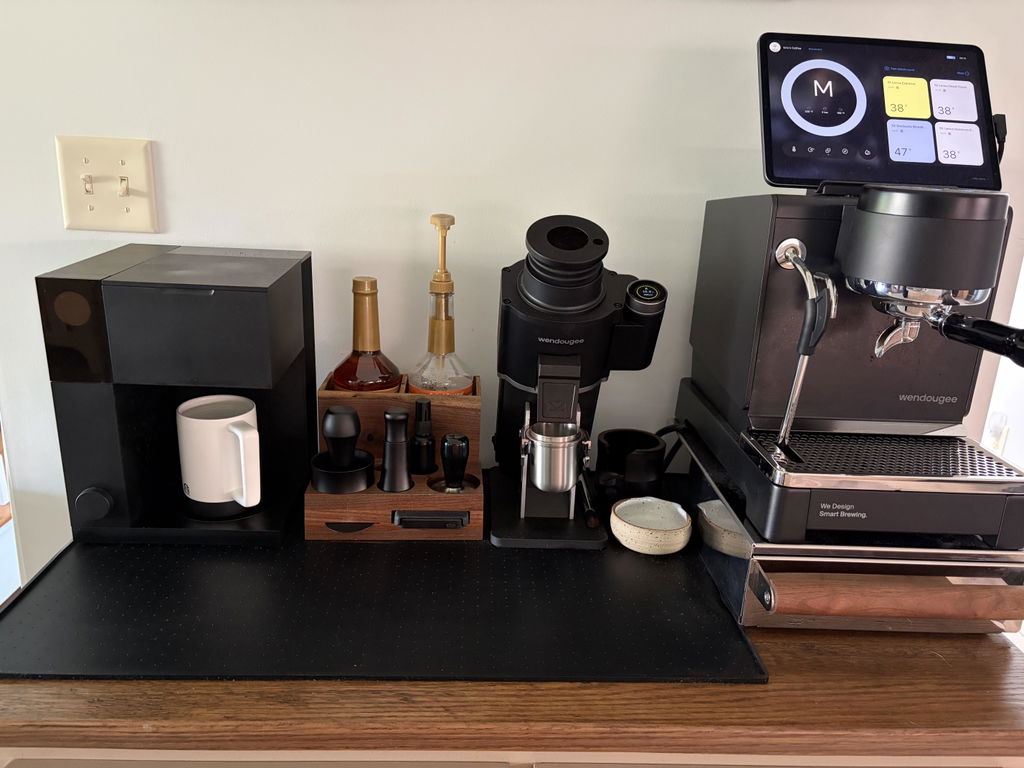
An espresso station is the organized workspace where grinding, dosing, tamping, brewing, steaming, serving, and cleaning happen. A good station is not defined by owning the most accessories. It is designed so the barista can move through the same sequence efficiently, safely, and consistently.
The essential equipment
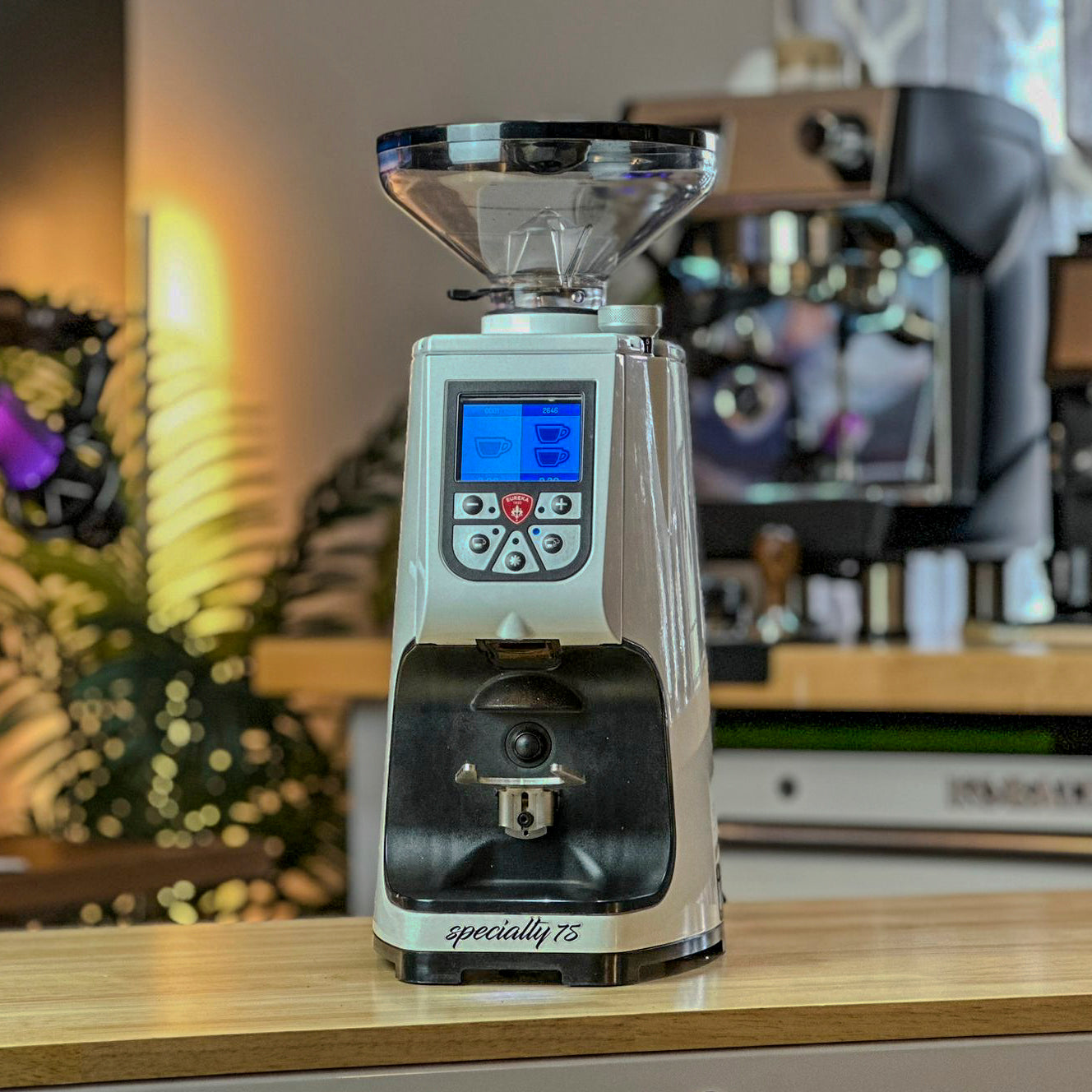
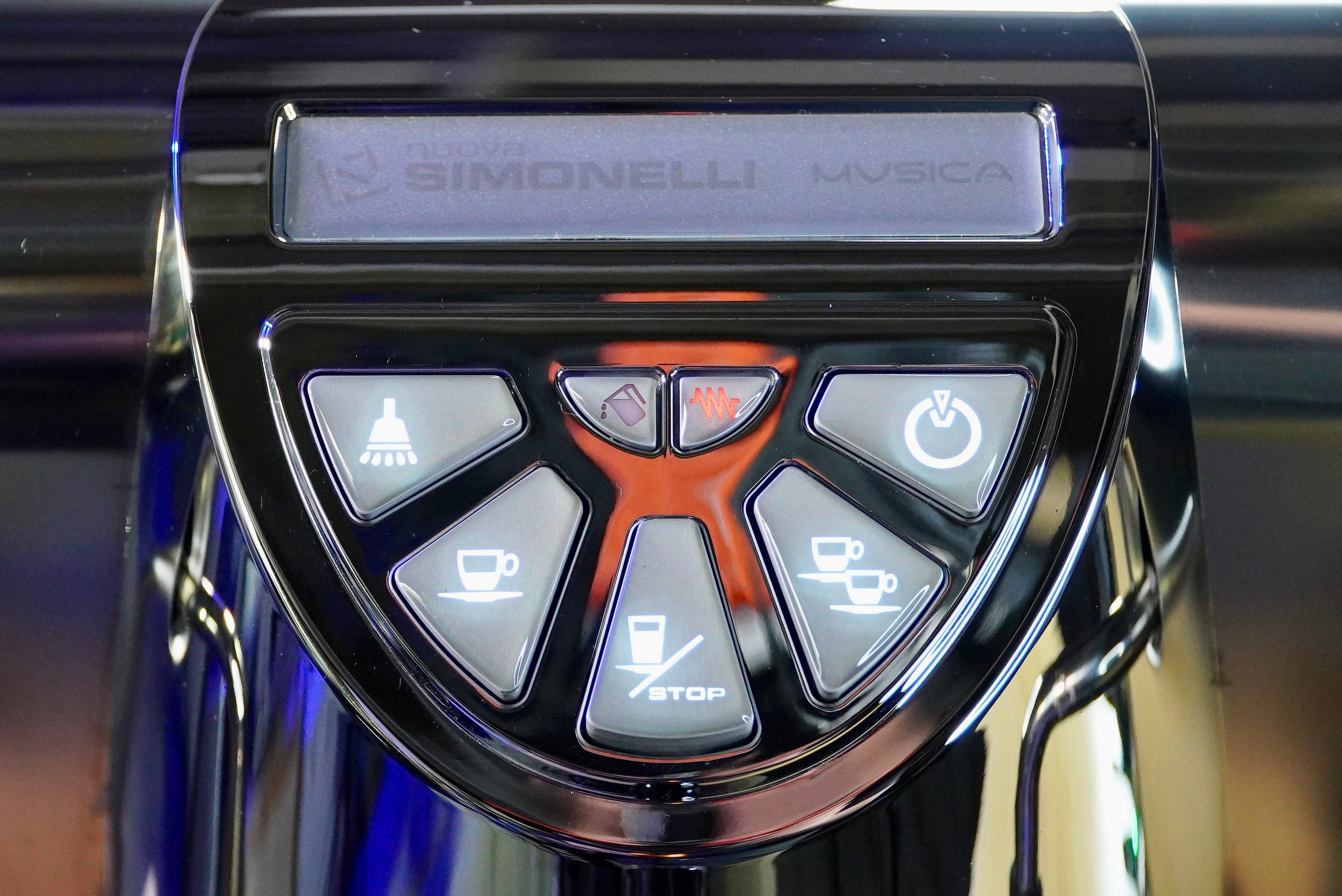
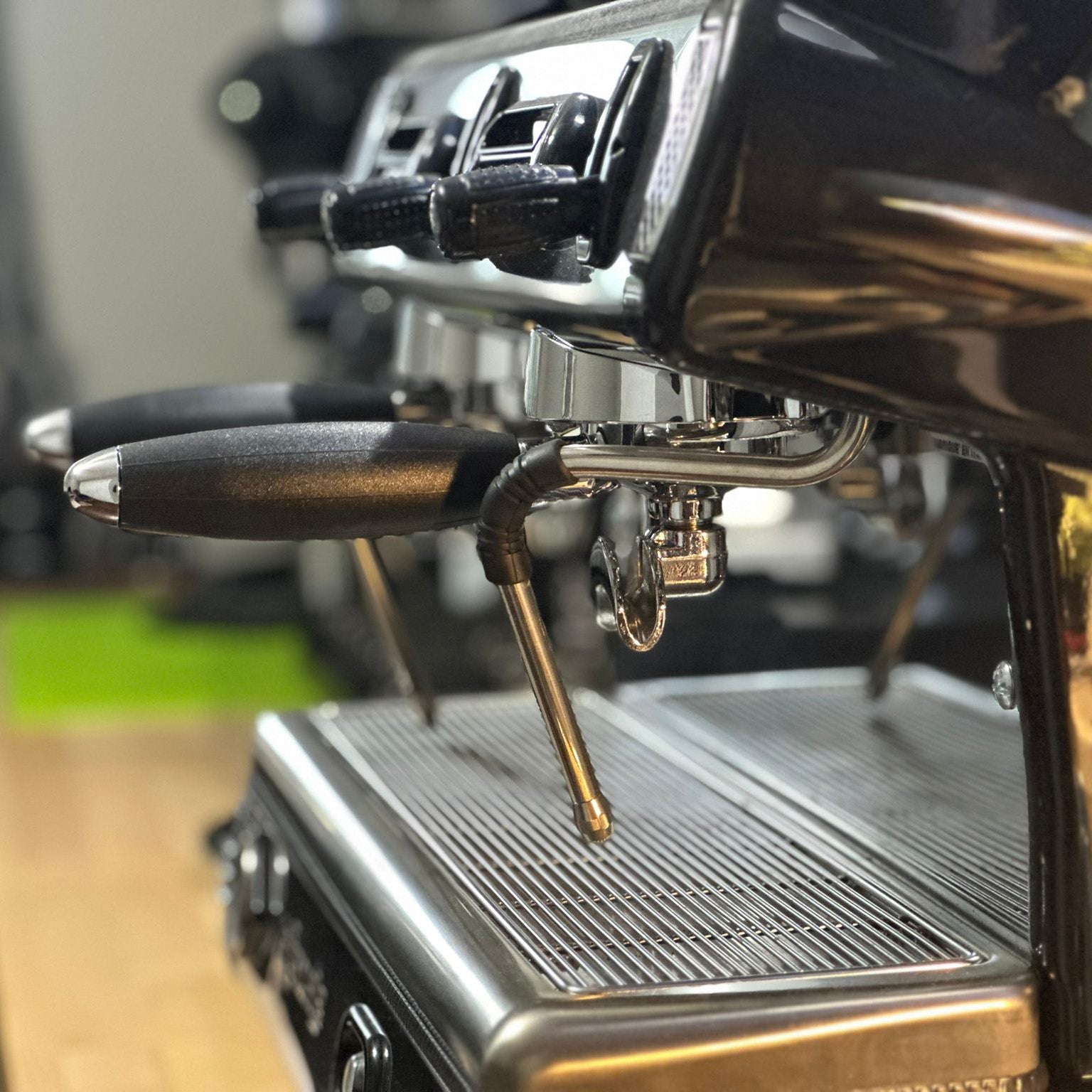
The core of the station is the espresso machine and grinder. The grinder needs enough adjustment resolution for the coffee and basket being used; the machine needs suitable temperature, steam, and duty-cycle performance for the expected workload.
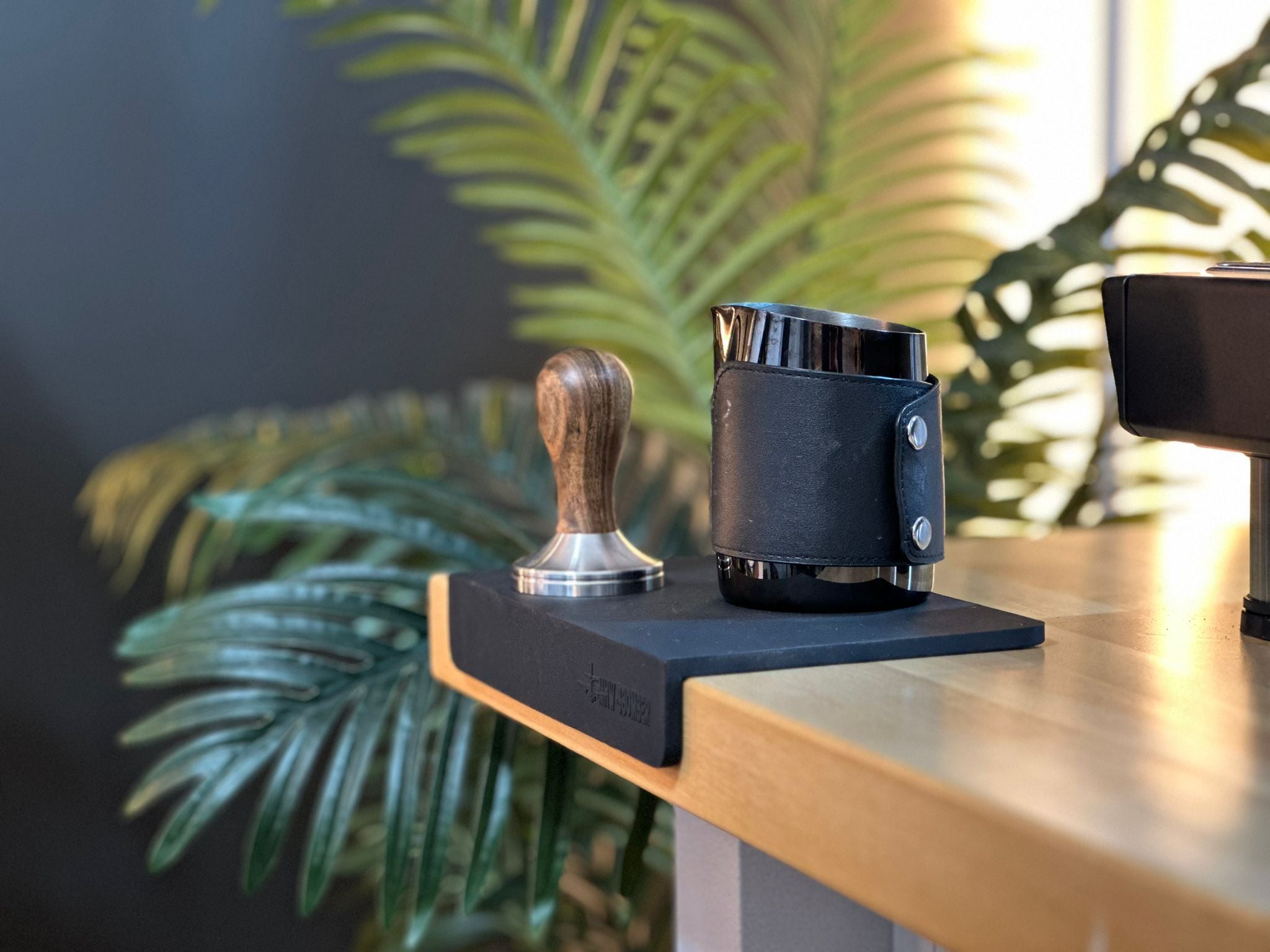
A small scale is useful for weighing dose and beverage yield. A tamper that fits the basket properly, a knock box, milk pitchers for milk drinks, towels assigned to specific cleaning jobs, and a brush for the group area complete the basic workflow.
Arrange the station in workflow order
A common sequence is grinder → distribution/tamping area → espresso machine → milk and finishing area → pickup. The exact arrangement depends on whether the barista is right- or left-handed and whether one or multiple people are working the bar.
Frequently used tools should be reachable without crossing over hot cups, steam wands, or other baristas. Grounds should have a short path from grinder to portafilter, and the knock box should be placed so spent pucks can be discarded without dripping across the counter.
Water and drainage belong in the plan
Commercial stations need more than countertop space. Direct-plumb machines require an appropriate water supply, filtration, shutoff access, and drainage. Pitcher rinsers and sinks add additional drain requirements. Electrical load and circuit requirements also need to be planned before equipment is installed.
Browse water treatment equipment and commercial coffee equipment when planning a café bar.
Keep cleaning tools separated
Milk towels, counter towels, and group-cleaning cloths should not all serve the same purpose. Steam wands should be wiped and purged immediately after use. The portafilter and group need regular rinsing, while detergent backflushing and deeper maintenance should follow the machine manufacturer's guidance.
Home stations benefit from the same thinking
A home bar does not need commercial scale, but the same principles apply. Keep the grinder close to the machine, give the scale a consistent place, provide room to tamp without damaging the counter, and store beans and accessories so the daily workflow stays simple. Good organization often improves repeatability more than adding another puck-preparation gadget.
For home setups, explore home espresso machines and home coffee grinders.
For more terminology, visit the Coffee, Espresso & Brewing Equipment Glossary.