


Water Shutoff Valves for Espresso Machines
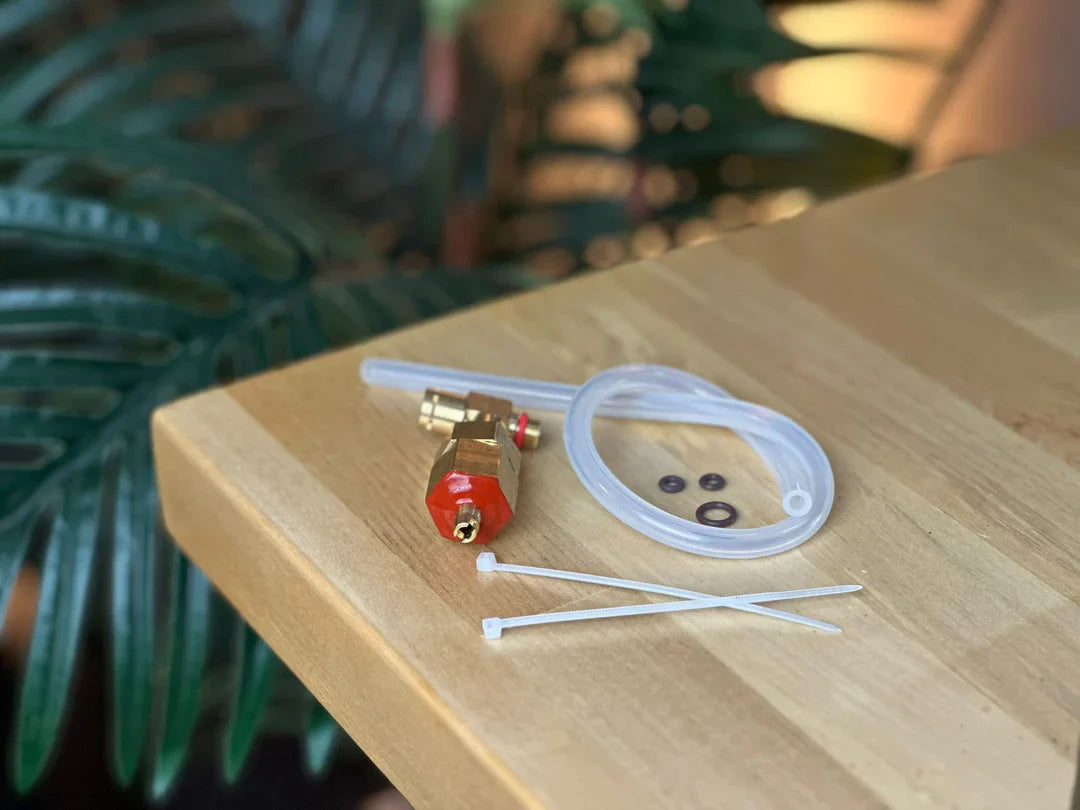
A shutoff valve is a manual plumbing valve that allows the water supply to coffee equipment to be isolated for service, filter changes, installation work, or an emergency. For a direct-plumb espresso machine, having an accessible dedicated shutoff is one of the most useful parts of a well-planned installation.
Why a dedicated shutoff matters
Without a nearby valve, technicians may need to shut water off to a larger section of the building just to disconnect a machine or replace a filter cartridge. A dedicated valve makes routine work faster and gives staff a clear way to stop water if a hose, fitting, filter head, or machine connection begins leaking.
Where it fits in the water system
A typical line may include a building supply, shutoff valve, pressure regulator when required, filtration or softening, and then the coffee equipment. Exact order depends on the treatment system and local plumbing requirements.
Accessibility matters
A valve hidden behind permanently installed cabinetry is not very helpful in an emergency. It should be reachable without moving a heavy espresso machine or dismantling the bar. Labeling the valve can also help staff identify it quickly.
Valve type and sizing
Full-port ball valves are common because they provide a clear open/closed position and low restriction when fully open. Size, materials, backflow protection, fittings, and installation must match the equipment, manufacturer instructions, and applicable plumbing code.
Do not use the valve as a pressure regulator
A shutoff valve is intended to isolate flow, not to precisely control incoming line pressure. If the machine requires a specific dynamic supply pressure, use the appropriate regulator rather than partially closing the shutoff.
Browse commercial coffee equipment at Espresso Outlet. For terms such as direct plumb, line pressure, pressure regulator, and drain line, visit the coffee equipment glossary.