




Conduction in Coffee Roasting
Conduction is heat transfer through direct physical contact. In coffee roasting, it occurs when beans touch a hot drum surface, faceplate, roasting chamber component, or other beans that are at a different temperature. Conduction is one of several heat-transfer mechanisms operating at the same time.
Conduction, convection, and radiation
Roasting is never purely conductive. Beans also receive heat through convection from hot moving air and radiation from hot surfaces or flame systems. The relative contribution of each mechanism depends on roaster design, burner setting, drum construction, airflow, batch size, bean movement, and the stage of the roast.
Drum contact
In a traditional drum roaster, beans repeatedly contact the heated drum wall as the drum rotates. The duration of each contact is short because paddles and drum rotation keep the coffee moving. This repeated contact transfers energy into the bean surface.
The amount of conductive heat is influenced by drum temperature, material, thickness, rotational speed, fill level, and how the coffee moves. A heavy drum with substantial stored energy behaves differently from a thin, responsive drum even if both display similar bean-temperature readings.
When conductive heat becomes excessive
If the coffee contacts an excessively hot surface—especially early in the roast when the bean surface can be vulnerable—localized overheating can contribute to scorching or tipping. These defects are not caused by conduction in isolation; charge temperature, burner application, bean density, batch size, airflow, and machine geometry all interact.
See our guide to common coffee roasting defects for examples of how excessive or poorly managed heat can show up in the cup and on the bean.
Conduction changes during the roast
At charge, the roaster is much hotter than the green coffee, so energy moves rapidly into the beans. As bean temperature rises and the thermal relationship between coffee and machine changes, the rate and direction of local heat transfer also change. The beans themselves become sources of heat transfer to one another through repeated contact.
Why roaster design matters
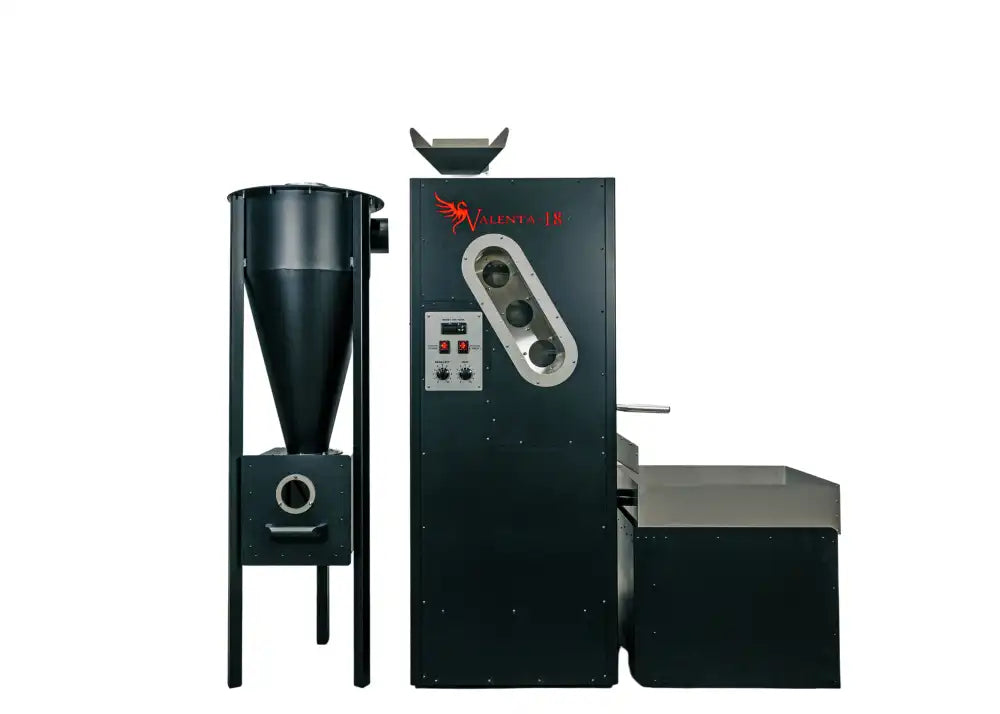
Fluid-bed roasters rely much more heavily on convective hot air and have less direct bean contact with a hot drum. Drum and hybrid roasters generally involve more surface contact. This does not make one design inherently better; it changes the control system the roaster uses to shape the roast.
Understanding conduction helps roasters interpret charge temperature, drum energy, batch-size changes, and early-roast behavior without reducing the roast to a single temperature number.
Browse coffee roasters or explore more terminology in the Coffee, Espresso & Brewing Equipment Glossary.