
Boonton Ethiopia Sidamo Natural Coffee
- Green Coffee and Roasted Coffee does not qualify for free shipping. Shipping costs are set by our roaster partners. Coffee orders are shipped directly from the roaster partner.
- In stock, ready to ship
- Backordered, shipping soon
Strawberry, blackberry and a raisin finish
Boonton Ethiopia Sidamo is a natural-process coffee with fresh strawberry and blackberry notes followed by a subtle raisin finish. The roaster describes a smooth body and a sweet, complex cup. Those details make it a distinct choice for customers exploring fruit-led Ethiopian coffee rather than looking for a heavily flavored or syrup-based drink.
The documented growing elevation is 1,800 meters above sea level, with Ethiopian heirloom varieties and raised-bed drying. The source lists November as the harvest month without a crop year. That seasonal detail describes the supplied profile, not a claim that the bag was harvested or roasted this November.
Boonton’s original story describes Ethiopian coffee as a recurring focus in its selection. The specific producer and washing station are not named for this lot, and the roast level is not supplied. This description therefore preserves the Sidamo regional identity without assigning an unverified farm, cultivar selection or roast category.
Coffee profile
| Roaster | Boonton Coffee |
|---|---|
| Origin | Sidamo, Ethiopia |
| Varieties | Ethiopian heirloom |
| Elevation | 1,800 MASL |
| Process | Natural |
| Drying | Raised beds |
| Listed harvest month | November; year not supplied |
| Cup notes | Strawberry, blackberry, subtle raisin finish |
Understand the fruit and the process
Natural processing dries coffee in the cherry before later milling. It is a processing term, not a certification or an indication of added fruit. Strawberry, blackberry and raisin describe sensory impressions in the brewed cup. They do not mean that berries or raisins are ingredients in the bag.
Raised beds provide a drying surface with airflow around the coffee. They are distinct from the brewing filter you use at home. Processing, drying, roast development and extraction each influence the final experience, so a natural label alone cannot predict how every cup will taste.
Paper-filter and immersion starting points
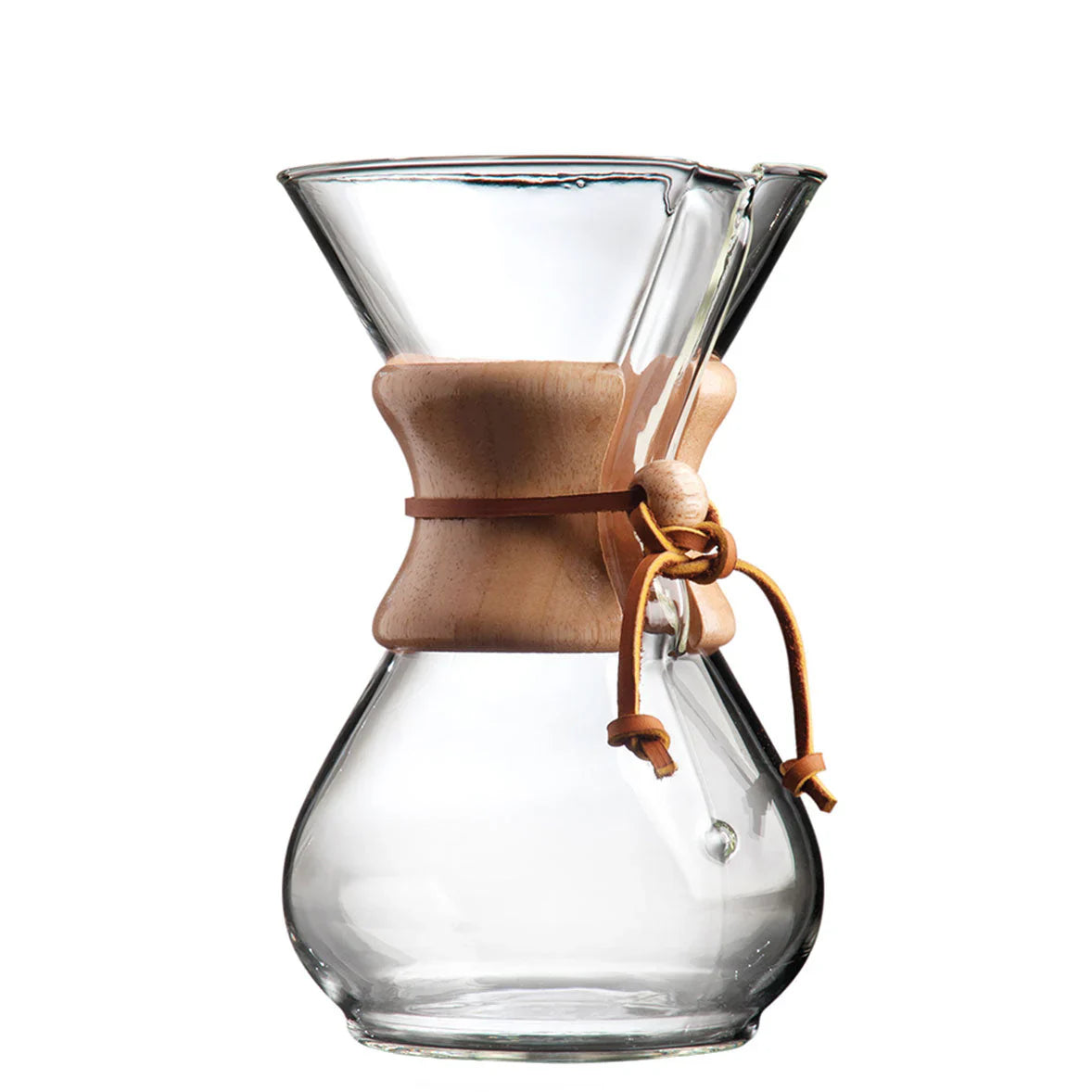
For a clear filter cup, dose 20 grams of coffee and use 320 grams of water around 200°F. Start with a medium grind, rinse the paper filter and bloom with about 60 grams of water for 40 seconds. Complete the pour in two or three controlled additions, avoiding repeated stirring.
Taste for a balance between berry-like acidity and sweetness after the coffee cools. If the cup is thin and sharply sour, try a finer grind. If the raisin finish becomes drying or the fruit loses definition, reduce agitation or grind coarser. Note drawdown as evidence about flow, not as an inflexible quality score.
For French press, try 30 grams to 500 grams of water, medium-coarse grounds and four minutes of initial immersion. Decant after settling. The retained oils and fine particles can create a fuller texture than paper filtration, so compare both methods before changing the ratio.
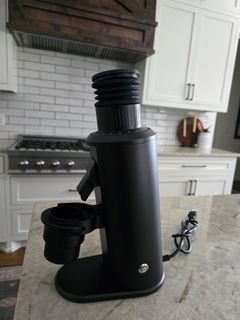
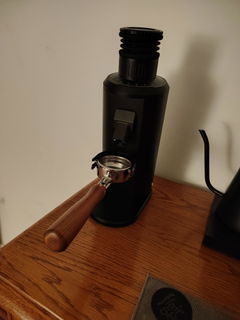
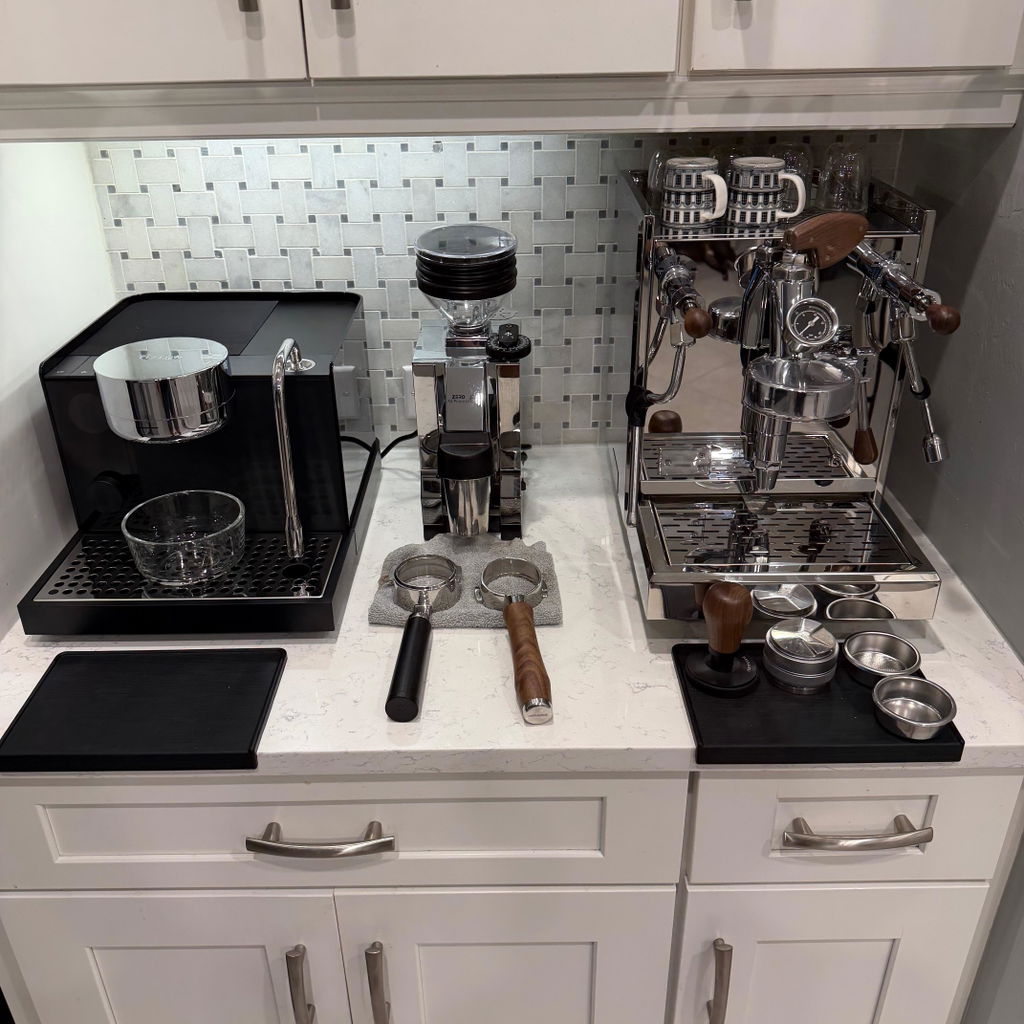
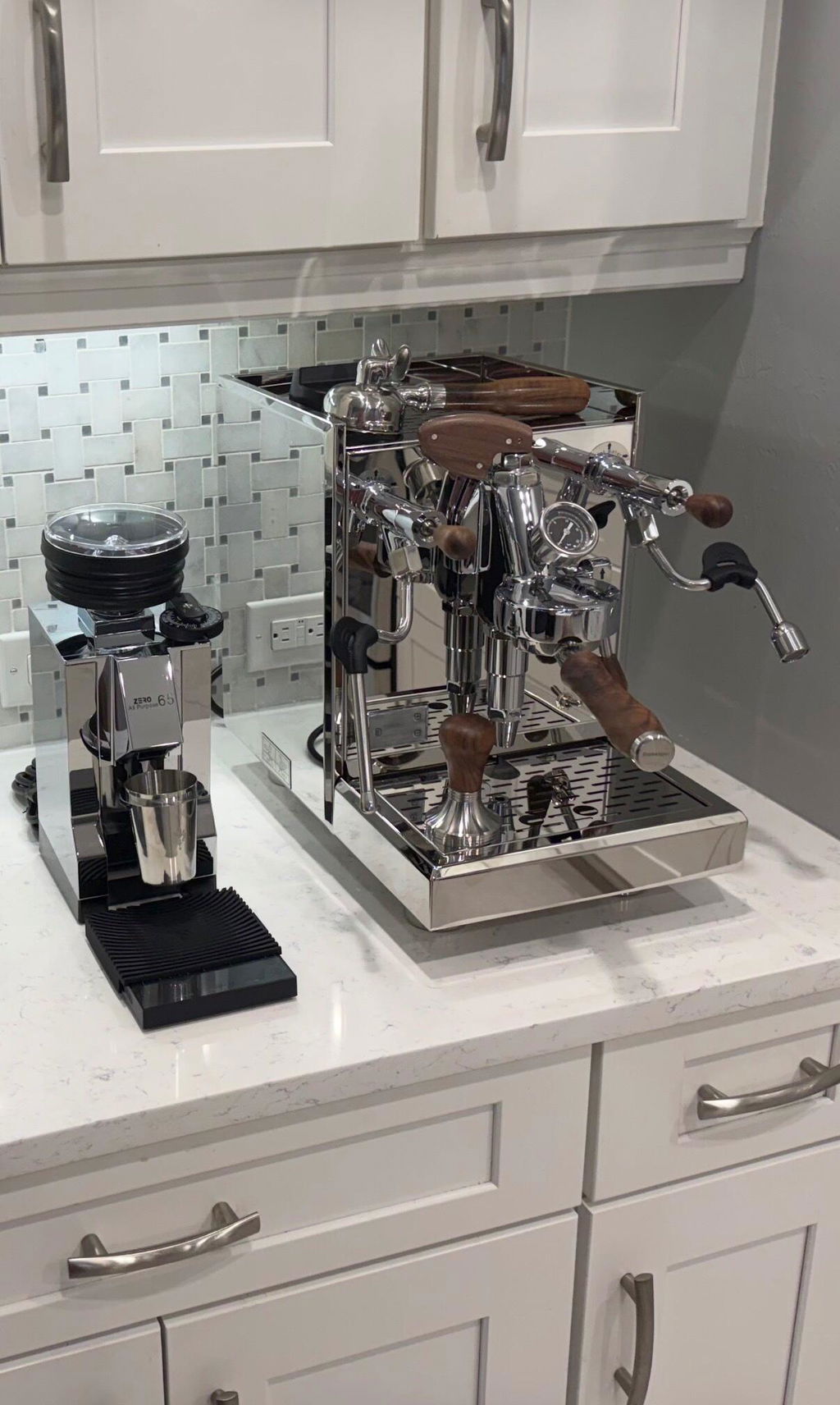
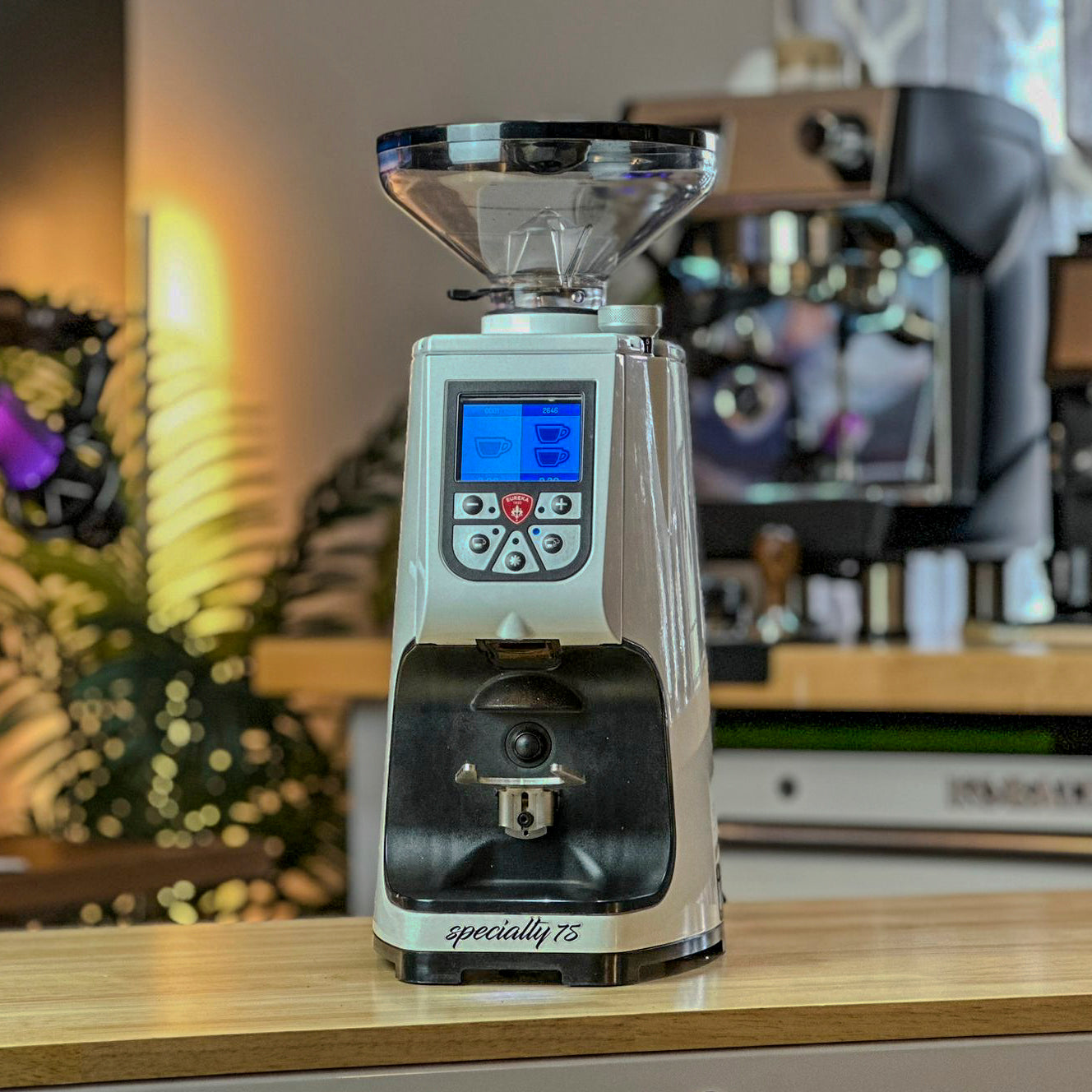
A Turin DF54 grinder is a suitable equipment option for whole-bean buyers seeking small grind adjustments. For a process contrast within Boonton’s range, compare washed Colombia Huila Excelso using the same water and dose.
Formats and freshness
Choose whole bean or fine, medium or coarse ground in a 12-ounce or five-pound bag. Whole bean provides the most flexibility; medium ground is a starting option for many drip brewers, while coarse suits press-style immersion. The Medium menu label is not a documented roast level.
Use any supplied roast date to track freshness and degassing. A changing bloom is normal as carbon dioxide escapes after roasting. Keep the package sealed in a cool, dry location and avoid leaving a large supply in a warm grinder hopper.
Buy five pounds only when the volume fits your use. A smaller bag is practical for learning the coffee and comparing recipes. Brew the first cups consistently, then change one variable at a time to preserve a useful tasting reference.
Frequently asked questions
Does it contain added berries?
No added fruit is described. Strawberry, blackberry and raisin are the roaster’s tasting notes.
Is the coffee washed?
No. This listing identifies natural processing and raised-bed drying.
Which heirloom cultivar is it?
A named individual cultivar is not provided. The supplied variety description is Ethiopian heirloom.
Is the roast light or dark?
The roast level is not specified. Grind choices should not be used to infer roast development.
What does the harvest month tell me?
November is the listed harvest month, but no year is supplied. It is not the roast date.
Which method best highlights clarity?
Start with a paper-filter pour-over and controlled agitation; compare immersion if you prefer a fuller texture.
Coffee ordering and shipping
Coffee ships directly from our roaster partner. Roasted and green coffee do not qualify for free shipping; shipping charges are set by the partner. Coffee orders are not eligible for returns or order cancellations. Check your selected size and grind before placing an order.
Use collapsible tabs for more detailed information that will help customers make a purchasing decision.
Ex: Shipping and return policies, size guides, and other common questions.