










Yemen Mocca Pearl of Tehama Mattari Coffee
- Green Coffee and Roasted Coffee does not qualify for free shipping. Shipping costs are set by our roaster partners. Coffee orders are shipped directly from the roaster partner.
- In stock, ready to ship
- Backordered, shipping soon
Yemen Mocca Pearl of Tehama Mattari Coffee: cup overview
Yemen Mocca Pearl of Tehama Mattari is a medium-roast natural coffee with a layered profile of honey, caramel, light florals, cacao, berry and pastry. It is curated from 98 partner farmers in the Mattari-Sayhee mountain valley, where households typically manage roughly 200 to 1,000 coffee trees. The cup combines concentrated sweetness and fruit with a clean finish, offering the dense aromatics associated with traditionally processed Yemeni coffee without reducing the story to a generic 'mocha' flavor claim.
The coffee is produced by legacy farmers in western Yemen's Sana'a Governorate. Families tend steep terraced parcels passed through generations, and 'Mattari' identifies a terroir distinction for heirloom coffees from this climate and soil. Subtropical conditions and available springs permit irrigation in parts of the valley, an uncommon advantage in many Yemeni growing areas. Pearl of Tehama assembles this particular blend from partner farms while preserving the identity of the Mattari-Sayhee source community.
Coffee profile
| Curator | Pearl of Tehama |
|---|---|
| Producer group | 98 partner farmers |
| Region | Mattari-Sayhee valley, Sana’a Governorate, Yemen |
| Elevation | 1,500–1,700 MASL |
| Cultivars | Jadi, Dawaery, Tuffahi |
| Process | Natural; hand-picked, sorted and sun dried |
| Roast level | Medium |
| Cup profile | Honey, caramel, light floral, clean, cacao, berry, pastry |
What to expect in the cup
Honey and caramel form the sweetness base, cacao adds depth and berry supplies fruit lift. The floral note is described as light rather than perfume-dominant, and pastry suggests a baked, rounded finish. The natural process can create substantial body, but a balanced extraction should remain clean. If the brew becomes heavy or ferment-forward, reduce agitation, grind slightly coarser and shorten total contact time.
Brewing and extraction guidance
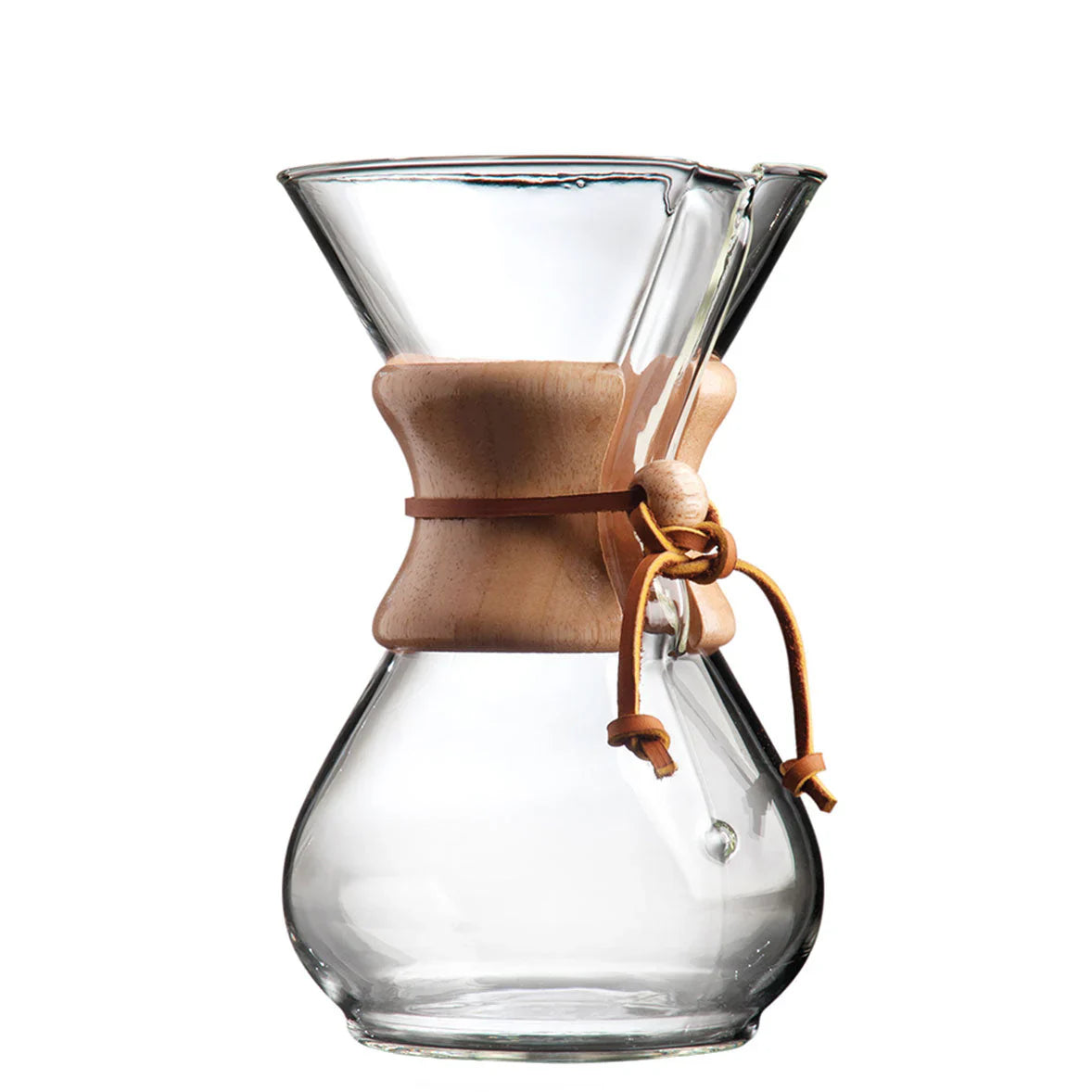
For a flat-bottom pour-over, start with 20 grams of coffee and 320 grams of water at about 198–201°F. Bloom with 60 grams for 40 seconds, then add water in controlled pulses. Aim for a drawdown around three minutes. The flat bed can support even extraction and emphasize honey, cacao and berry without sacrificing clarity. Adjust grind in small steps based on taste.
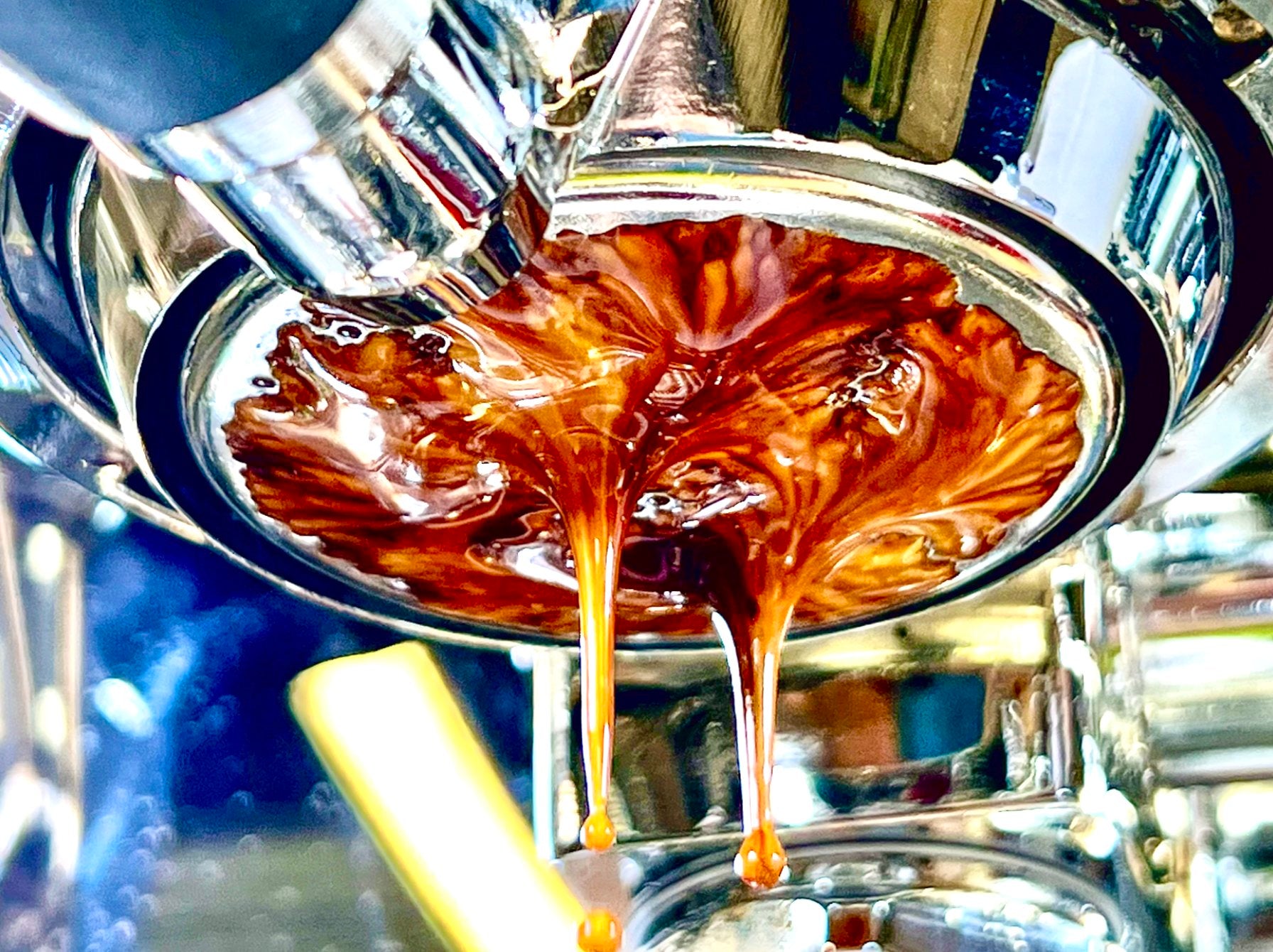
For immersion, use 30 grams to 500 grams of water with a medium-coarse grind. Steep four minutes, break the crust, wait briefly and decant fully. This method builds body and pastry-like sweetness. For espresso, begin with 18 grams in and 40 grams out at a moderate temperature; a slightly longer ratio can separate fruit and cacao in the dense natural-process profile.
Freshness, degassing and dialing in
Medium-roast natural coffee benefits from degassing before espresso and from grinding immediately before any brew method. Store the bag sealed, cool and dry. Its aromatic intensity can make tiny grind changes easy to overlook, so weigh dose and water, then compare cups as they cool. The cleanest recipe is the one that keeps berry, honey and cacao distinct through the finish.
Choose the right format
Choose the 8-ounce option for exploration or the 1-pound bag for regular brewing. Because this is a high-character coffee, whole-bean grinding and a low-retention workflow help preserve its distinctions. Use filtered water that supports extraction without masking acidity; extremely hard water can flatten the florals, while very soft water can make the cup feel sharp.
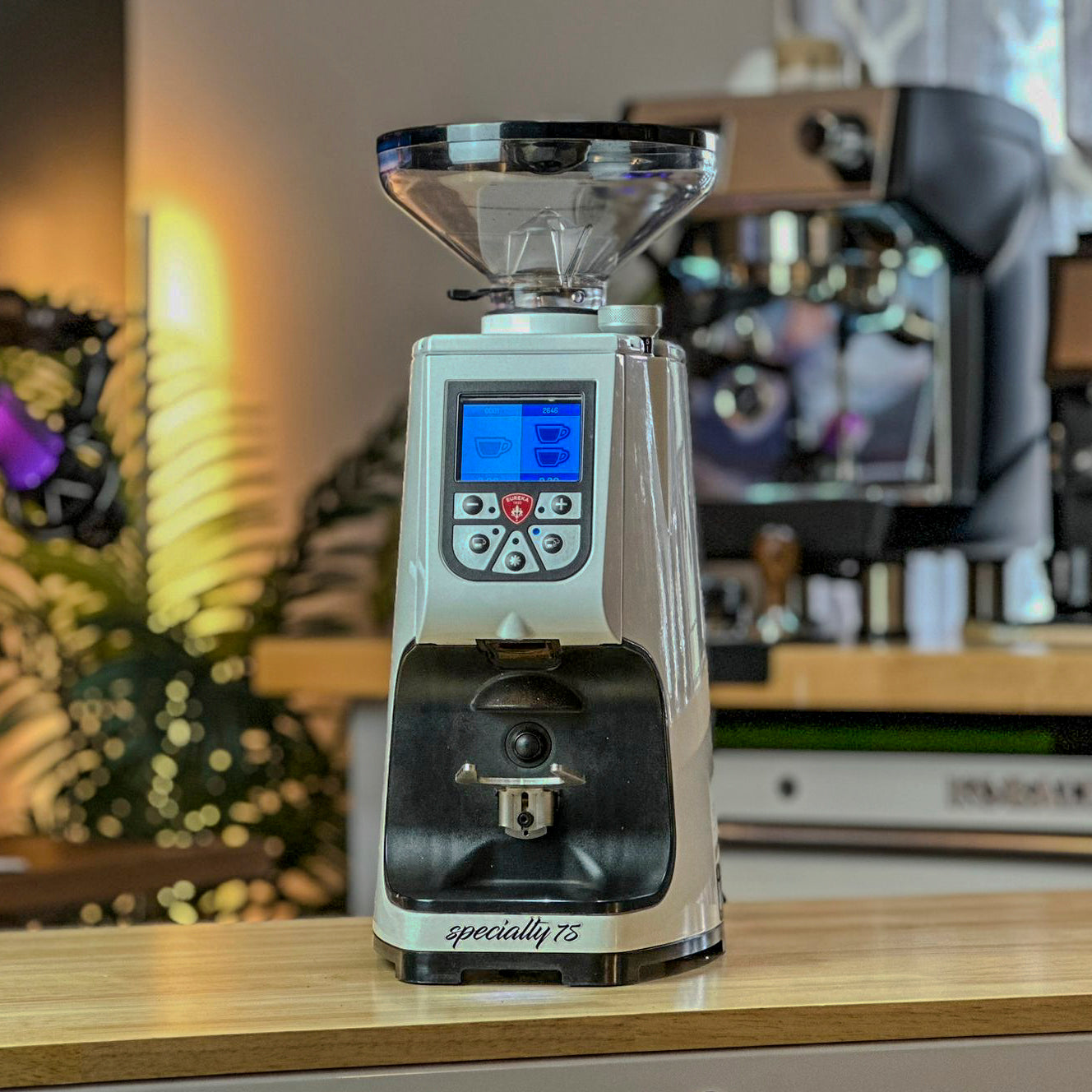
Explore more specialty coffee and use the Turin DF54 grinder for controlled pour-over and espresso adjustments.
Frequently asked questions
Is this chocolate-flavored coffee?
No added flavoring is stated. “Mocca” is part of the coffee’s Yemeni identity, while cacao is a tasting descriptor.
Who produced this coffee?
Pearl of Tehama curated the lot from 98 partner farmers in the Mattari-Sayhee valley.
How is it processed?
The coffee is natural processed: hand-picked, sorted and sun dried in a single layer on raised beds or rooftops.
Which cultivars are included?
The documented heirloom cultivars are Jadi, Dawaery and Tuffahi.
What brew method should I start with?
Use a controlled flat-bottom pour-over for clarity or immersion for more body and pastry-like sweetness.
What does Mattari mean?
It is used as a terroir distinction for high-quality heirloom coffees from this part of Sana’a Governorate.
Use collapsible tabs for more detailed information that will help customers make a purchasing decision.
Ex: Shipping and return policies, size guides, and other common questions.