





Using hard water will ruin your espresso machine. Soft water no higher than 50ppm is required to keep your espresso machine running for the long term. Using hard water will void the warranty.

These guys are the best!! If you’re going to buy your espresso/coffee gear online buy from them. Real people and nice too.
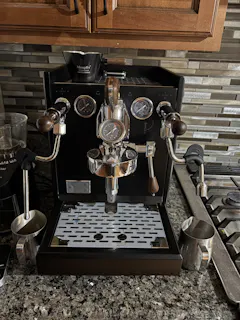
Looks great works great
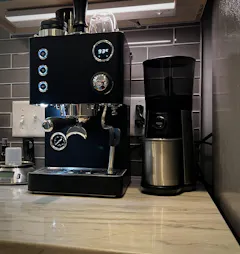
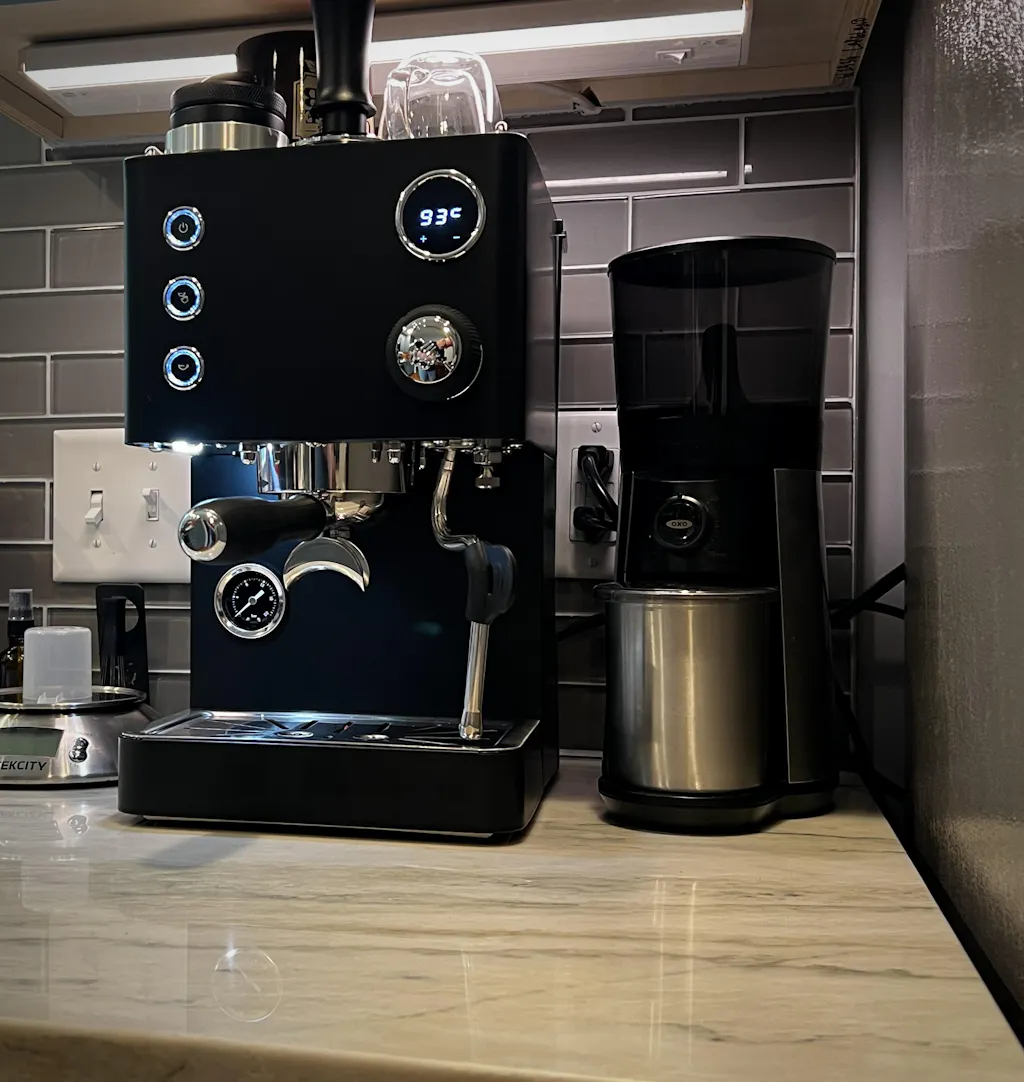
Showed up in great working order. I’m still learning how to dial it in. Likely need a DF54 or 64 in the near future so I can try some lighter roasts. My oxo grinder is incapable. All that to say I am happily building my espresso workstation around this machine. That should say a lot.
they smell amazing
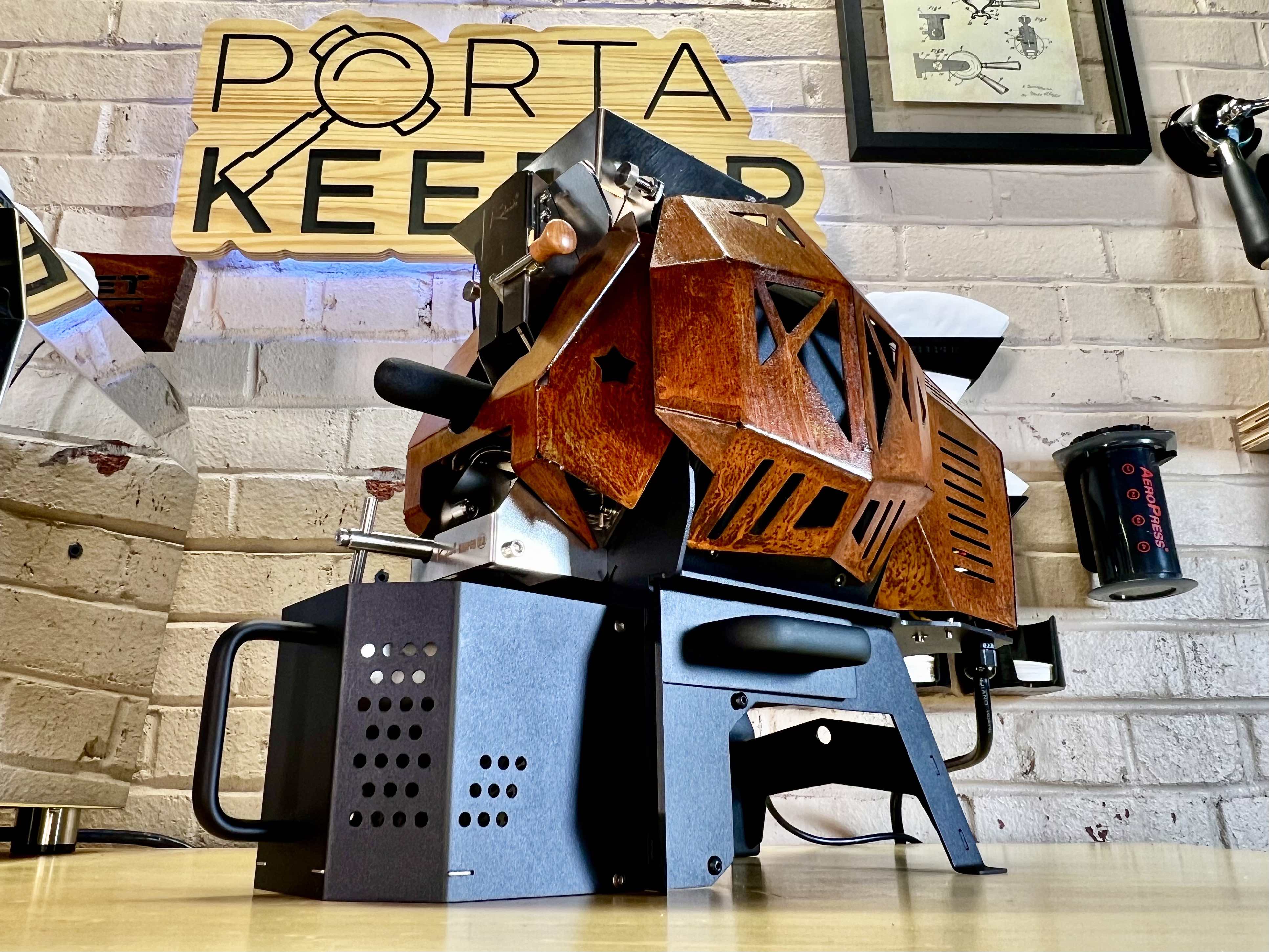
The M1 lite is sooooo rad! Everyone in my family wants me to roast for them now, which is awesome because I can really fine tune quickly with how small the batch size is. I highly recommend this product! I've done 13 batches in 3 weeks!
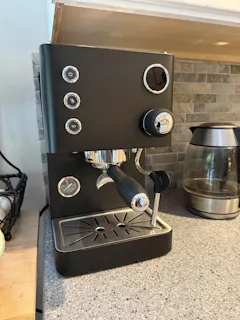
Very nice machine! Took my very good espresso up several levels of wow!
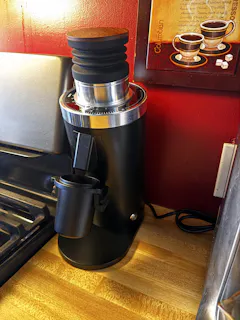
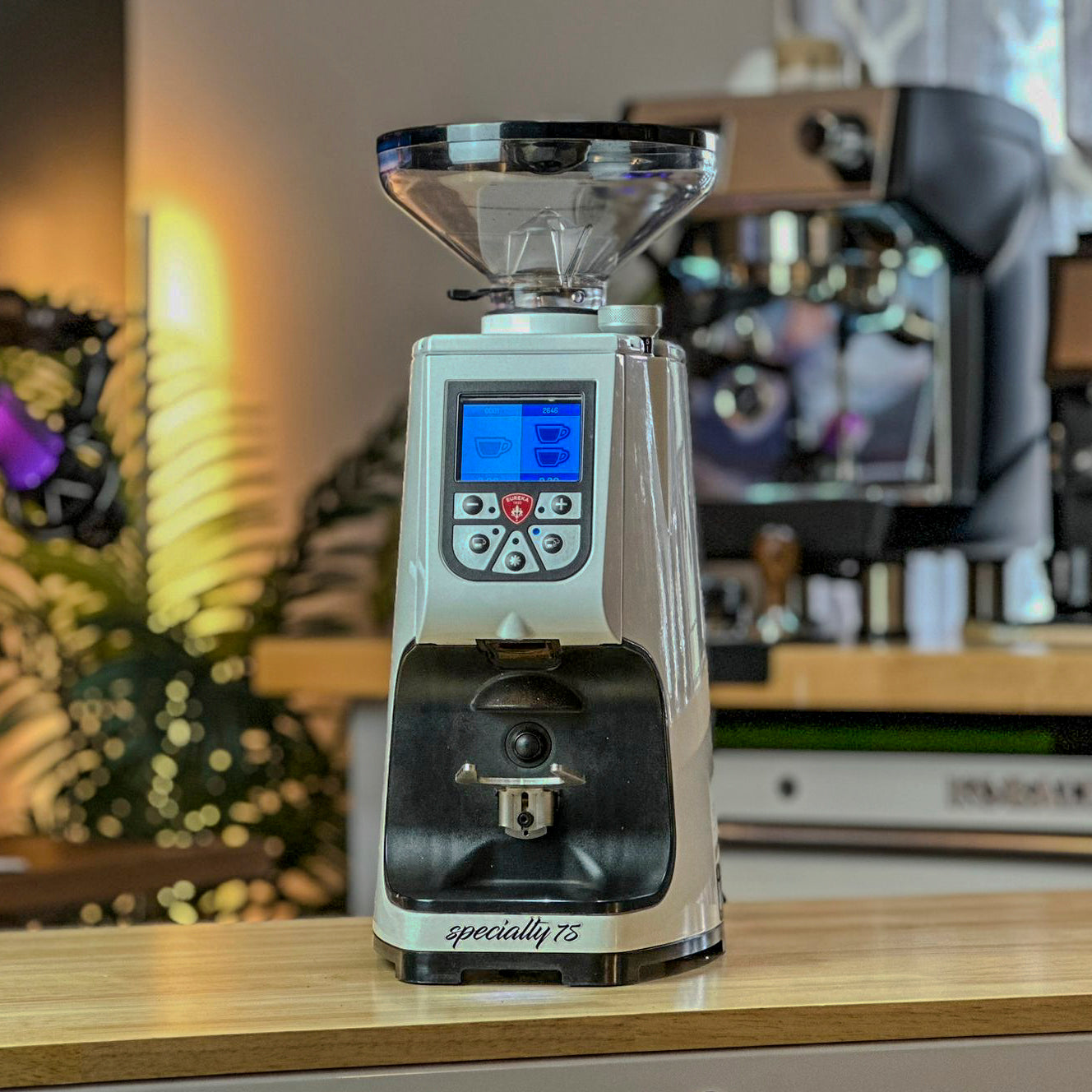
This grinder is not loud and since it is so fast, even if the volume did bother some, it is over before you can knock out the last puck.
I love this grinder! It’s beautiful, solid and takes up very little space.
I ordered a set of dlc burrs for a newly purchased df 64, although turin seems to have transitioned to the Red Titanium burrs. The people at Espresso Outlet were able to fulfill my order. The communication could not have been better. This review is not about the burrs I haven't installed them yet. The review is for Espresso Outlet the service they provide is outstanding.
The grinder works great, nice work flow much quieter than the baratza sette I have been using. Nice fluffy clump free grind. This was a preorder it came when expected. I would gladly do business with Espresso Outlet again.
Wow am I impressed with this grinder. Tremendous machine for the price. I upgraded over what I had and this is a massive improvement. Nicely done Turin. Quality product and highly recommended.
I use it only for espresso and it’s performed flawlessly, it throws to within, .3g 15g in 14.7out is the the greatest difference I’ve ever found generally it’s within .1 or right on. A silver colored cup would be better than the black so that you can see how much coffee is still stuck inside after after transporting into the Portafilter transferring into the Portafilter.
I would definitely recommend it to my friends:)
Love this machine! Feels super well built and can’t wait to make many more drinks with it.
Great product. Love it