




Zoka Espresso Paladino Coffee
- Green Coffee and Roasted Coffee does not qualify for free shipping. Shipping costs are set by our roaster partners. Coffee orders are shipped directly from the roaster partner.
- In stock, ready to ship
- Backordered, shipping soon
Zoka Espresso Paladino Coffee: Origin, Flavor and Brew Guide
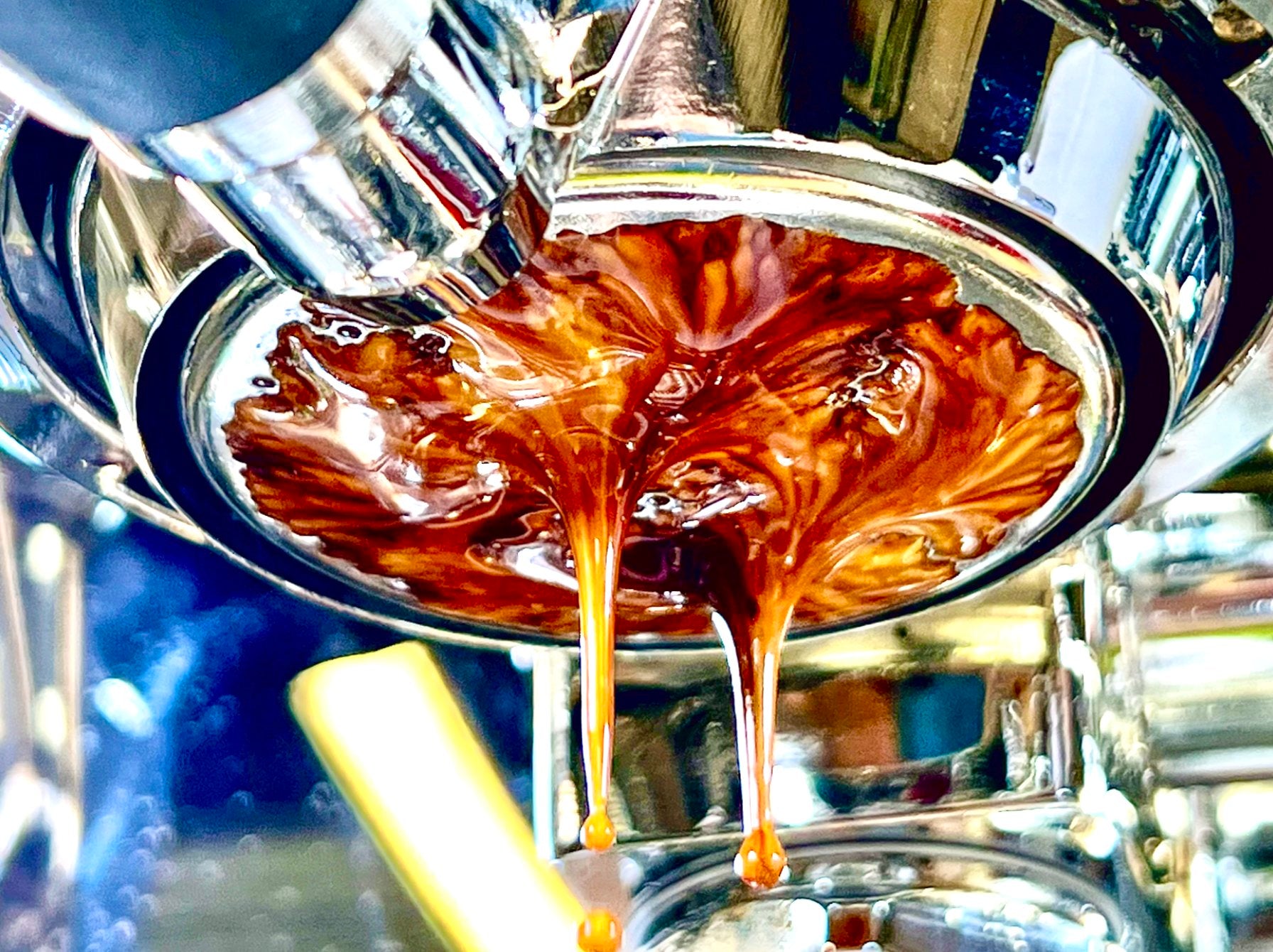
Paladino is the espresso blend associated with two national barista-championship wins for Zoka. It is built first for espresso, but its medium roast and citrus-chocolate contrast also translate well to drip. This is roasted coffee, ready to grind and brew in the format selected above. It is not the unroasted green coffee sold elsewhere in our specialty collection.
The expected cup centers on natural citrus and chocolate. Its structure is balanced, sweet and designed to avoid harsh bitterness. Tasting notes describe sensory similarities rather than added ingredients unless the product is explicitly labeled flavored, as French Villa is. Water, grind quality, freshness and brewing technique will influence the final cup.
Coffee Profile
| Coffee | Zoka Espresso Paladino Coffee |
|---|---|
| Origin | Blend origins are not specified in the current supplier listing |
| Roast | Medium roast |
| Process | Espresso blend |
| Variety | Not specified |
| Tasting direction | natural citrus and chocolate |
| Current options | 12 oz, 2 lb, 5 lb; formats include Coarse, Fine |
What This Coffee Tastes Like
Paladino is the espresso blend associated with two national barista-championship wins for Zoka. It is built first for espresso, but its medium roast and citrus-chocolate contrast also translate well to drip. In practical terms, expect natural citrus and chocolate to become easier to identify as the brewed coffee cools. The hottest sip often emphasizes roast aroma and body; warm and cool temperatures can reveal fruit, sweetness, spice, nuts or chocolate more clearly.
Balanced, sweet and designed to avoid harsh bitterness is the intended overall impression. If the cup tastes thin or sour, grind finer or extend contact time. If it tastes dry, bitter or hollow, grind coarser, shorten the brew or lower extraction temperature slightly. Change one variable at a time so the next cup provides a useful comparison.
Recommended Brewing Approach
For espresso, begin around a 1:2 ratio and adjust yield before changing temperature. If citrus dominates, grind slightly finer or extend contact; for drip, use a medium-fine grind and taste after cooling.
Starting recipes by method
- Automatic drip: Begin with 60 grams of coffee per liter of water. Use a medium grind and adjust by taste.
- Pour-over: Try a 1:16 ratio with water just off the boil. Use controlled, even pours and evaluate after cooling.
- French press: Start coarse at approximately 1:15, steep about four minutes, then separate the grounds from the brewed coffee.
- Espresso: Use the whole-bean option when possible. Start around a 1:2 brew ratio and adjust grind before making large temperature changes.
- Cold brew: Use a coarse grind and a concentrated immersion recipe, then dilute to preferred strength.
These recipes are reference points, not rigid rules. Brewer geometry, basket depth, burr alignment, water chemistry and personal taste all matter. Keep the dose and water consistent while changing grind size; that isolates the variable most likely to solve an extraction problem.
Whole Bean, Ground Coffee and Size Options
Available selections include 12 oz, 2 lb, 5 lb; formats include Coarse, Fine. Choose whole bean for maximum control and grind immediately before brewing. Choose a ground option only when it clearly matches your brewer: coarse for French press or cold brew, medium for many drip machines, and fine settings for espresso-compatible equipment.
Large packages offer better value for frequent use, but a smaller bag is easier to finish at peak freshness. For coffees with several grind choices, confirm both package size and grind in the selector before checkout. Coffee grounds expose far more surface area to air, so pre-ground coffee should be sealed promptly after every use.
Freshness, Water and Storage
Keep the bag tightly sealed in a cool, dry cabinet away from sunlight, heat, moisture and strong odors. Avoid routine refrigerator storage because condensation can damage flavor. If buying a large quantity, divide it into smaller airtight portions so the full supply is not opened every day.
Use clean water with enough mineral content for balanced extraction. Very hard water may flatten acidity and create scale; extremely soft or distilled water can produce weak, sharp results and may not be appropriate for espresso machines. Follow the equipment manufacturer’s water requirements, especially for boilers and thermoblocks.
Who Is This Coffee Best For?
Home baristas who want a competition-proven espresso blend that remains versatile enough for batch brew. It is also a useful comparison coffee for anyone learning how origin, roast, processing and brew method interact. Brew one recipe consistently, taste at several temperatures and write down sweetness, acidity, body, finish and the clearest flavor association.
Complete the Coffee Setup
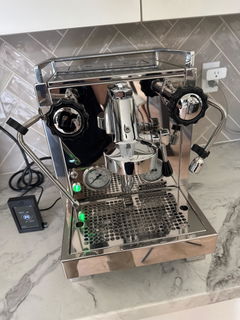
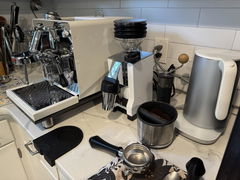
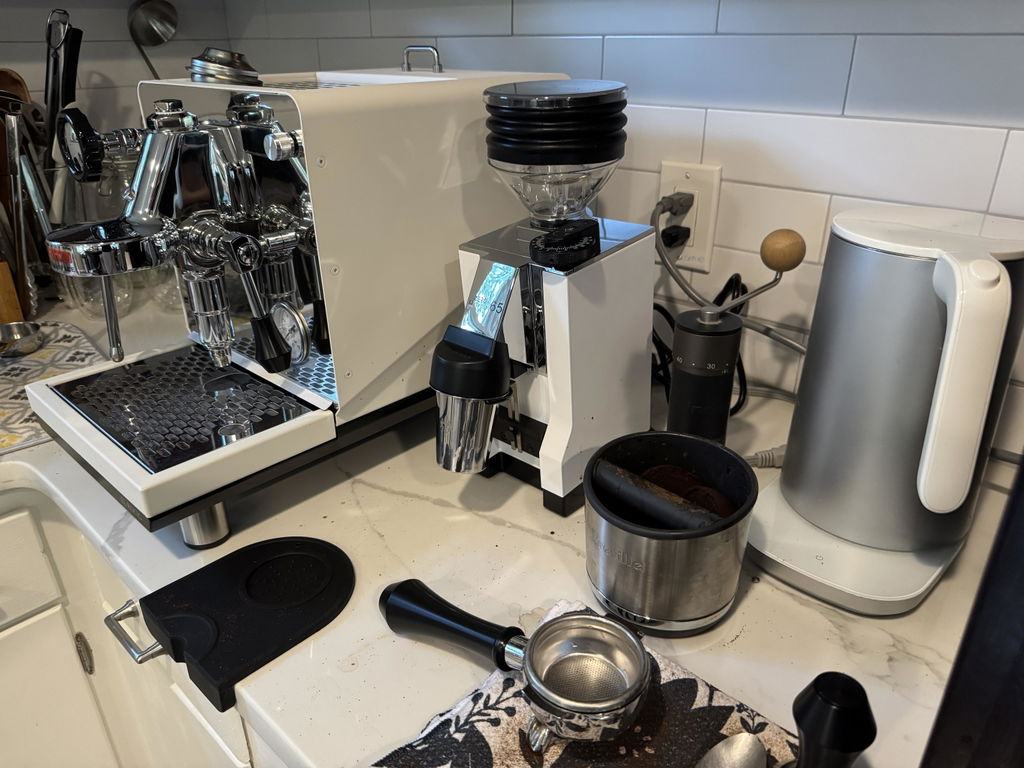
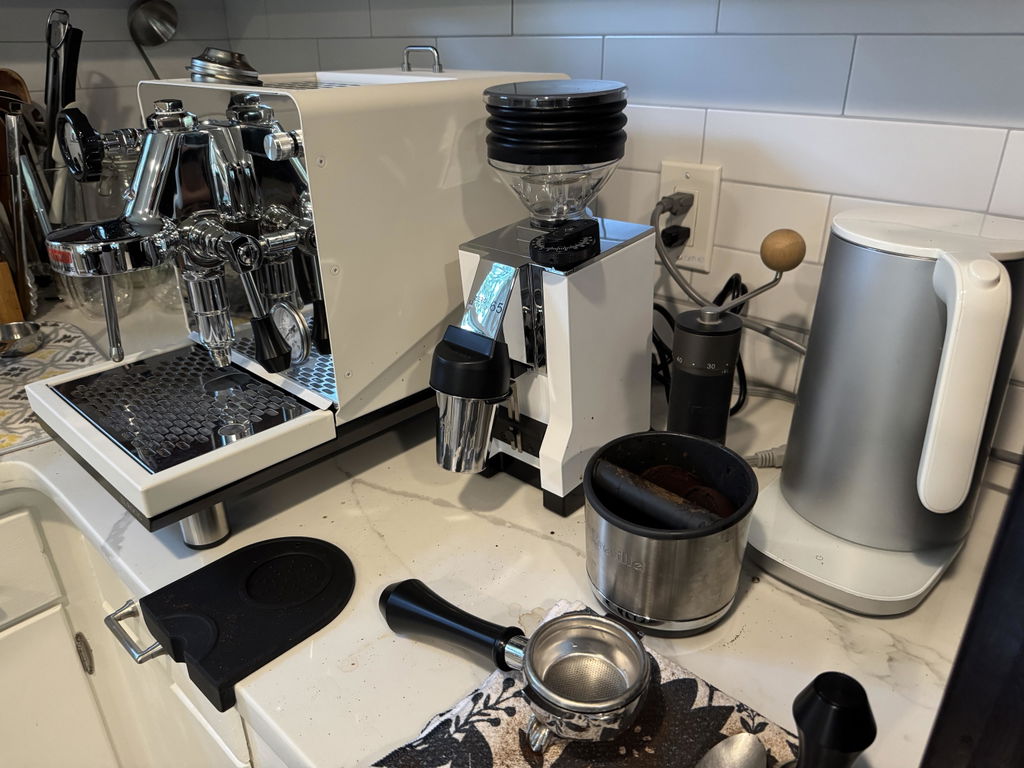
For a roast built around espresso, pair fresh whole beans with the Turin DF64 Gen 2.7 single-dose grinder for low-retention switching between espresso and filter recipes. The Turin Legato V2 espresso machine provides a relevant home-espresso path for dialing in this coffee as a straight shot or milk drink.
Compare more specialty coffee, browse home coffee grinders, or explore the complete coffee roaster collection. Equipment links are contextual suggestions rather than required accessories.
Frequently Asked Questions
Is this coffee roasted or green?
Zoka Espresso Paladino Coffee is roasted coffee and is ready to grind and brew. Select the whole-bean or ground format that matches your equipment.
What flavors should I expect?
The published direction includes natural citrus and chocolate. Flavor perception changes with brewing, water, freshness and temperature, so taste again as the cup cools.
What roast level is it?
Medium roast. The product is supplied already roasted; no home roasting is required.
Which brewing method works best?
For espresso, begin around a 1:2 ratio and adjust yield before changing temperature. If citrus dominates, grind slightly finer or extend contact; for drip, use a medium-fine grind and taste after cooling. Start with a consistent recipe, then adjust grind size to change extraction.
Should I choose whole bean or ground?
Whole bean offers the best control and usually preserves aroma longer. Select ground coffee when you do not have a grinder, making sure the grind matches your brewer.
How should I store the coffee?
Keep it sealed, cool, dry and away from light and odors. Avoid repeatedly opening a large container when smaller airtight portions are practical.
How much coffee should I use?
For filter coffee, 60 grams per liter is a dependable starting point. Adjust strength with the coffee-to-water ratio and extraction with grind size.
Are tasting notes added flavors?
Usually no: notes describe aromas naturally perceived in coffee. The exception on this set is French Villa, which is explicitly sold as French-vanilla flavored decaf.
Use collapsible tabs for more detailed information that will help customers make a purchasing decision.
Ex: Shipping and return policies, size guides, and other common questions.