


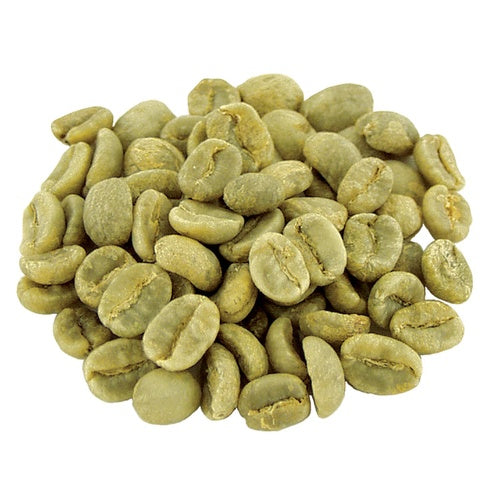
Colombian Supremo Green Coffee Beans
- Green Coffee and Roasted Coffee does not qualify for free shipping. Shipping costs are set by our roaster partners. Coffee orders are shipped directly from the roaster partner.
- In stock, ready to ship
- Backordered, shipping soon
UNROASTED GREEN COFFEE BEANS — MUST BE ROASTED BEFORE GRINDING OR BREWING.
Colombian Supremo Green Coffee Beans for Home Roasting
Supremo refers to the larger screen-size classification used for Colombian coffee. Here, the appeal is classic balance: gentle acidity, rounded body and sweetness that stays comfortable across roast levels. These Colombian Supremo green coffee beans arrive raw and unroasted, giving you direct control over color, development, resting time and final brew style. They are not ready-to-brew brown coffee beans.
In the cup, the supplier describes caramel, vanilla, tropical fruit and berry undertones. The overall impression is medium body, soft acidity and an easy, balanced finish. Because roast equipment, batch size and technique all affect flavor, use these notes as targets for profile development rather than a guarantee of an identical result in every roaster.
Green Coffee Details
| Product | Colombian Supremo Green Coffee Beans |
|---|---|
| Origin | Colombia |
| Coffee | Arabica, Supremo-grade selection |
| Processing | Green coffee; specific processing method is not listed |
| Flavor direction | caramel, vanilla, tropical fruit and berry undertones |
| Available options | Regular 1 LB, Regular 5 LB, Regular 20 LB, Regular 40 LB |
What This Green Coffee Can Taste Like
Supremo refers to the larger screen-size classification used for Colombian coffee. Here, the appeal is classic balance: gentle acidity, rounded body and sweetness that stays comfortable across roast levels. Roast degree will change the balance: lighter development generally keeps origin-led aromatics and acidity more visible, while longer development tends to build caramelized sweetness, body and roast character. Medium body, soft acidity and an easy, balanced finish is the central goal for this coffee.
When evaluating a new batch, smell the dry fragrance, taste the cup hot, and return as it cools. Notes such as caramel, vanilla, tropical fruit and berry undertones may appear at different temperatures. Record dose, charge conditions, turning point, yellowing, first crack, drop time and weight loss so a promising roast can be repeated.
Suggested Home-Roast Approach
A medium roast is a dependable starting point. Develop the coffee evenly through first crack to build caramel sweetness while retaining the soft fruit accents.
Build a repeatable profile
- Know the machine. Follow the roaster manufacturer’s capacity, ventilation and fire-safety instructions.
- Use a consistent batch. Changing batch weight can change heat transfer and timing, so hold it steady while testing.
- Watch and listen. Color, aroma, smoke, bean movement and first-crack behavior matter more than copying another machine’s temperature.
- Change one variable. Adjust heat, airflow or development time individually so the result teaches you something useful.
- Cool quickly. Prompt cooling limits carryover development and makes your chosen endpoint more repeatable.
Home coffee roasters do not share a universal temperature scale. Probe placement, software, drum material and airflow can make the same displayed number represent very different bean conditions. Treat any temperature guidance on this page as a starting reference and use sensory cues plus careful notes.
Brewing After Roasting
After roasting, its balance suits drip coffee, pour-over, French press and approachable espresso blends. Freshly roasted coffee releases carbon dioxide, so allow an appropriate rest before judging the result. A useful starting window is several days, but very light or espresso-focused roasts may benefit from longer. Taste on more than one day rather than deciding from the first brew.
Use clean water and a consistent grinder setting during comparisons. If a roast tastes sharp or grassy, it may need more development or rest; if it tastes flat, smoky or ashy, try a lighter endpoint or faster cooling on the next batch.
Who Should Choose This Coffee?
Home roasters seeking a versatile Colombian coffee with familiar sweetness and broad brew-method appeal. It can also be useful for a side-by-side roast experiment: divide the order into matched batches, choose two development endpoints and cup them together. That simple comparison often reveals more than changing several roast variables at once.
Ordering, Storage and Freshness
Current selectable options are Regular 1 LB, Regular 5 LB, Regular 20 LB, Regular 40 LB. Choose the quantity that matches your roaster capacity and testing plan. Smaller packages are convenient for exploration, while larger packages make more sense only after you have a repeatable profile and suitable storage.
Keep green coffee sealed in a cool, dry, odor-free place away from sunlight, moisture and rapid temperature changes. Do not refrigerate an opened bag where condensation can form. Green coffee is an agricultural product, so natural variation in color and size can occur; inspect and sort before roasting.
Complete the Roast-to-Cup Setup
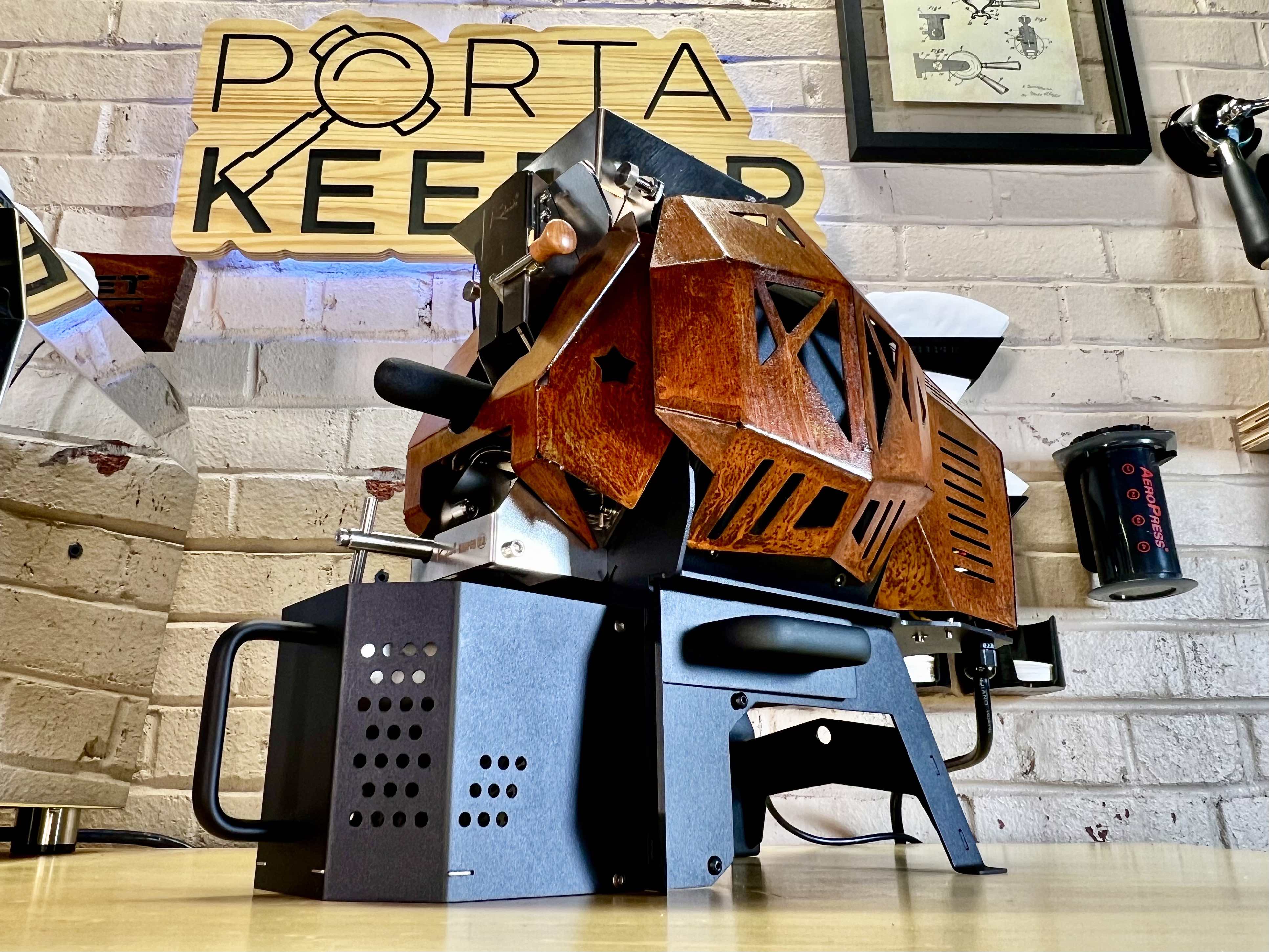
To develop Colombian Supremo green coffee beans toward medium body, soft acidity and an easy, balanced finish, consider the Kaleido M6 Pro 700g coffee roaster for larger, repeatable Artisan-guided batches. After the beans have roasted, cooled and rested, the Turin DF64 Gen 2.7 single-dose grinder is a natural next step for dialing in espresso and filter recipes. These are contextual equipment suggestions, not required accessories; choose capacity and electrical configuration for your space.
Compare this lot with more specialty coffee, browse the full coffee roaster collection, or see additional home coffee grinders.
Frequently Asked Questions
Are these beans already roasted?
No. Colombian Supremo Green Coffee Beans is sold as raw green coffee and must be roasted before it can be ground and brewed.
What flavors should I expect?
The published direction includes caramel, vanilla, tropical fruit and berry undertones. Your roast profile, water, grinder and brew recipe will influence which notes are most noticeable.
What roast level should I try first?
A medium roast is a dependable starting point. Develop the coffee evenly through first crack to build caramel sweetness while retaining the soft fruit accents. Begin with a small test batch and change only one variable on the next roast.
Can I brew green coffee without roasting it?
No. This product is intended for coffee roasting. Do not place raw green beans directly in a standard coffee grinder or brewer.
Which brew method fits this coffee?
After roasting, its balance suits drip coffee, pour-over, French press and approachable espresso blends. The best method is the one that highlights the traits you want from your chosen roast.
How long should roasted beans rest?
Rest depends on roast degree and brew method. Start tasting after several days, keep notes, and extend the rest if the cup is still gassy or difficult to extract.
How should I store the unroasted beans?
Store them sealed in a stable, cool and dry environment, protected from moisture, odors, heat and direct sunlight.
Are the listed temperatures universal?
No. Roaster probes and designs vary widely. Use any number as a reference only, and prioritize your machine’s instructions, first-crack behavior, color, aroma and rate of development.
Use collapsible tabs for more detailed information that will help customers make a purchasing decision.
Ex: Shipping and return policies, size guides, and other common questions.