




Blue Cotton Candy Caturra Coffee
- Green Coffee and Roasted Coffee does not qualify for free shipping. Shipping costs are set by our roaster partners. Coffee orders are shipped directly from the roaster partner.
- In stock, ready to ship
- Backordered, shipping soon
Blue Cotton Candy Caturra Coffee: Flavor, Origin and Brewing Guide
This La Soledad coffee from farmer Mario Fernando Gomez delivers a surprisingly confectionary profile from a washed Caturra. The extended fermentation turns up the fruit-candy intensity without pushing the cup toward the boozy flavors common in wilder processing. This listing is for roasted coffee that is ready to grind and brew in the format selected above. It is distinct from any similarly named unroasted green-bean listing.
The cup is expected to show blue raspberry slushy, watermelon candy, cotton candy, red raspberry and taffy. Its overall structure is highly aromatic, candy-forward and vivid while remaining clean and low in funk. These notes describe sensory impressions rather than guaranteed flavors in every brew; water, grind, freshness, temperature and recipe determine which traits become most visible.
Coffee Profile at a Glance
| Coffee | Blue Cotton Candy Caturra Coffee |
|---|---|
| Origin | La Soledad, Huila, Colombia, approximately 1,600 meters |
| Roast | Light-medium roast |
| Process | Washed Caturra with a 60-hour fermentation |
| Variety | Caturra |
| Tasting direction | blue raspberry slushy, watermelon candy, cotton candy, red raspberry and taffy |
| Available formats | 4oz, 8oz, 2lbs, 5lbs; Whole Bean, Ground (Drip), Ground (Coarse), Espresso Grind |
How the Flavor Develops
This La Soledad coffee from farmer Mario Fernando Gomez delivers a surprisingly confectionary profile from a washed Caturra. The extended fermentation turns up the fruit-candy intensity without pushing the cup toward the boozy flavors common in wilder processing. In the hottest sips, aroma and roast structure often dominate. As the coffee moves from hot to warm and then cool, look for clearer expressions of blue raspberry slushy, watermelon candy, cotton candy, red raspberry and taffy. The finish is just as useful as the first sip: note what remains after swallowing and whether sweetness, fruit, chocolate or spice grows over time.
Highly aromatic, candy-forward and vivid while remaining clean and low in funk is the target impression. If a brew tastes sour, grassy or thin, grind finer or extend contact time. If it becomes bitter, dry or hollow, grind coarser, shorten the brew or reduce temperature slightly. Make one adjustment per cup so the result is repeatable.
Brewing Recommendations
Pour-over provides the clearest separation between blue raspberry, watermelon and cotton candy. For espresso, the supplier’s useful starting point is a 2:1 ratio in roughly 20–25 seconds, followed by taste-led adjustment.
Useful starting recipes
- Automatic drip: Start with 60 grams of coffee per liter of water and a medium grind.
- Pour-over: Try a 1:16 ratio, an even bloom and controlled pours. Taste again after several minutes of cooling.
- French press: Use a coarse grind near 1:15, steep about four minutes and separate the brewed coffee from the grounds.
- Espresso: Begin around a 1:2 beverage ratio. Adjust grind before changing multiple machine variables.
- Cold brew: Use a coarse grind and a concentrated immersion recipe, then dilute with water or milk to taste.
These are starting points, not fixed rules. Basket geometry, grinder burrs, water chemistry, coffee age and dose depth all affect extraction. Keep the water and coffee weights consistent while changing grind size; this gives the clearest feedback about what improved or weakened the cup.
Resting and Freshness
The coffee can be sampled early, but the reported sweet spot is commonly around ten to fifteen days after roasting. Resting allows carbon dioxide from roasting to dissipate and can make extraction more stable. Lighter roasts and espresso commonly need more time than darker roasts or filter brewing, but the roast date and your own taste are more useful than a rigid schedule.
When testing a new bag, brew it on several days and record dose, yield, time, grind and flavor. A coffee that seems closed or difficult shortly after roasting may become sweeter and easier to extract later. Conversely, waiting too long after opening can gradually reduce aroma.
Whole Bean, Ground Coffee and Package Sizes
Current choices include 4oz, 8oz, 2lbs, 5lbs; Whole Bean, Ground (Drip), Ground (Coarse), Espresso Grind. Whole bean gives the most control and generally protects aroma longer. Ground drip is intended for common automatic brewers, coarse ground suits immersion methods, and espresso grind is offered for customers without an espresso-capable grinder.
Pre-ground espresso cannot account for every basket, dose and machine, so whole bean remains the best choice for fine adjustment. Select both size and grind carefully before checkout. Large bags offer value for frequent use; smaller packages are easier to finish while aromatic.
Storage and Water Quality
Seal the bag after every use and store it in a cool, dry cabinet away from sunlight, heat, moisture and strong odors. Avoid repeatedly refrigerating an opened bag because temperature changes can create condensation. Divide bulk coffee into smaller airtight portions if the main package would otherwise be opened daily.
Use clean water with appropriate mineral content. Very hard water can flatten flavor and create scale, while distilled or extremely soft water may extract poorly and can be unsuitable for espresso equipment. Follow the machine manufacturer’s water requirements to protect boilers and thermoblocks.
Who Will Enjoy This Coffee?
Adventurous drinkers who want a memorable, fruit-candy coffee with more cleanliness than many co-fermented lots. It is also well suited to a controlled comparison: brew the same coffee by filter and espresso, or compare two grind settings while holding the ratio constant. Taste each cup at several temperatures and record sweetness, acidity, body and finish.
Contextual Equipment Pairings
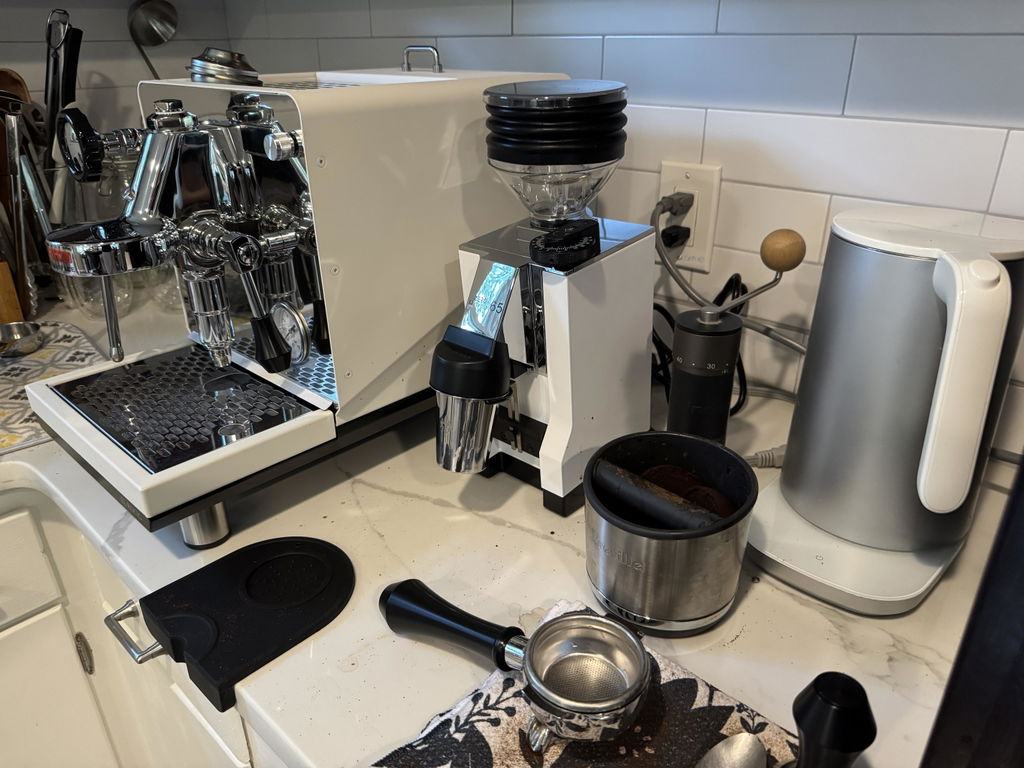
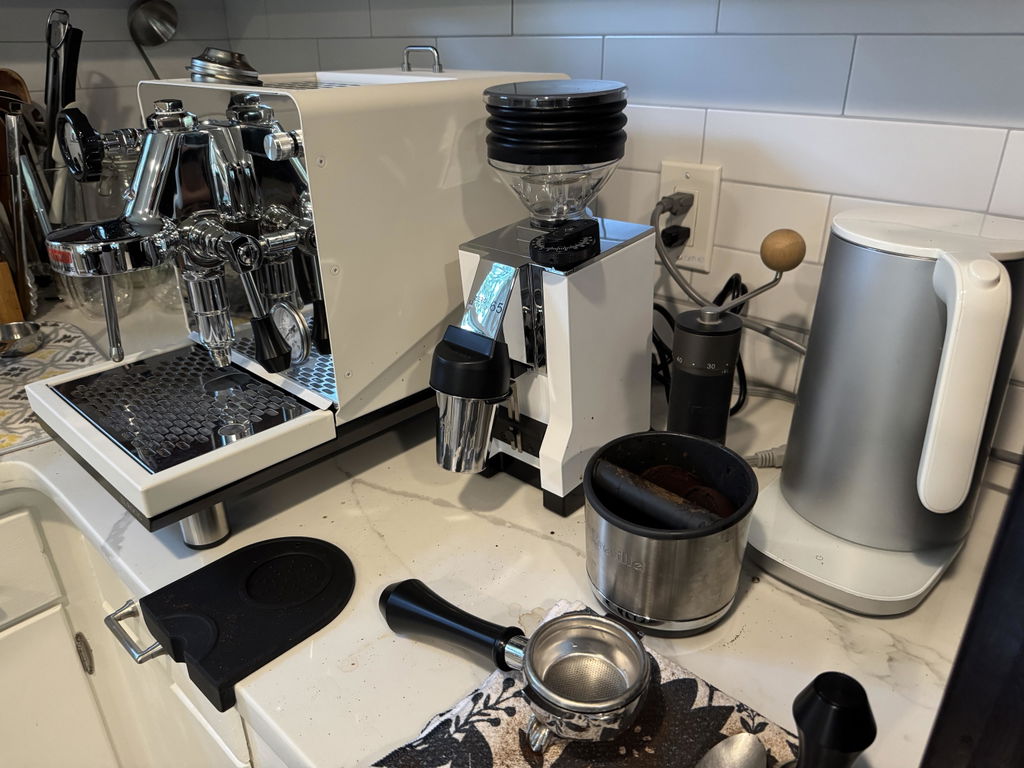
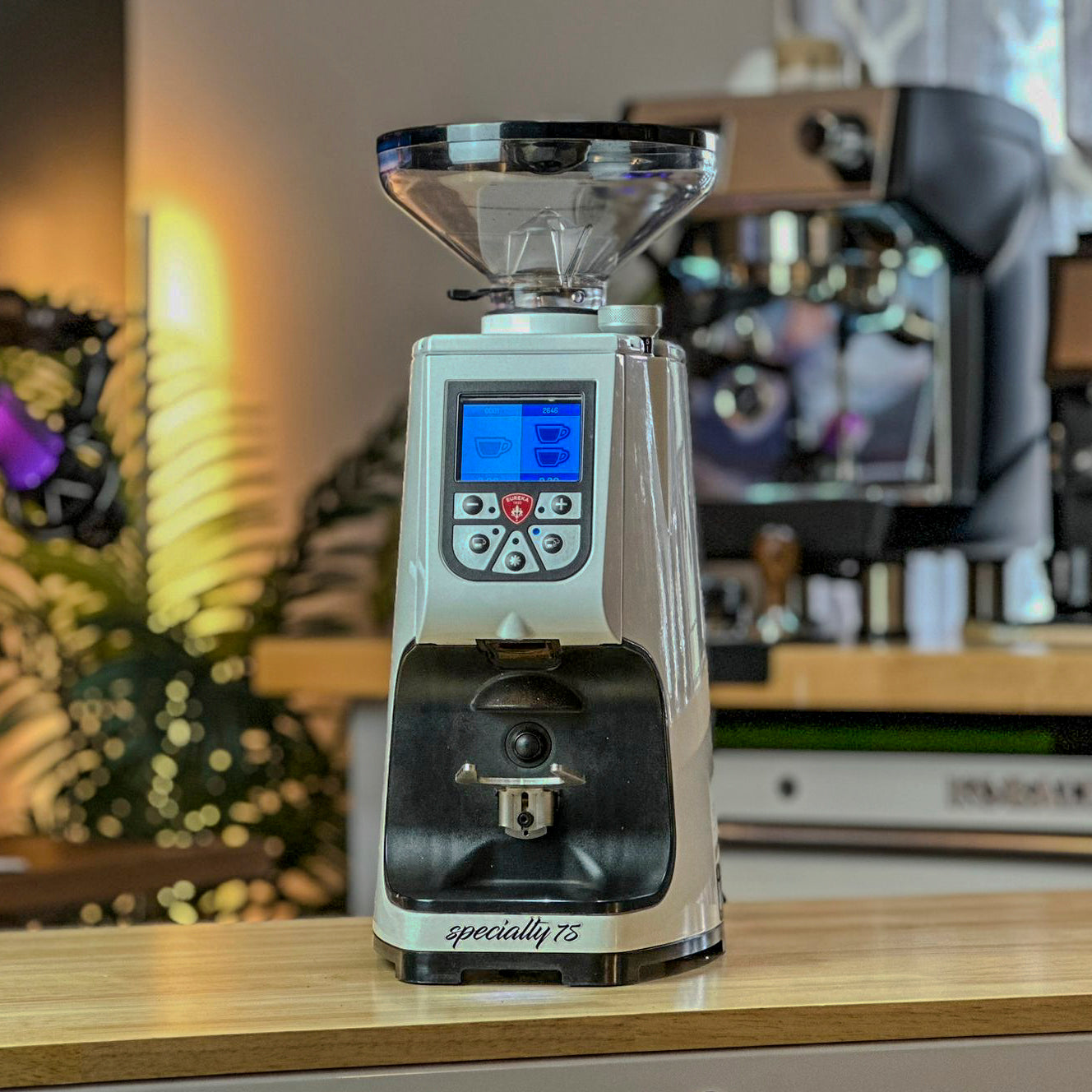
For fresh whole-bean preparation, the Turin DF64 Gen 2.7 single-dose grinder supports low-retention espresso and filter dialing. Espresso drinkers can pair it with the Turin Legato V2 espresso machine when dialing in straight shots, Americanos and milk drinks.
Browse more specialty coffee, compare home coffee grinders, or explore coffee roasters. Equipment links are suggestions rather than required accessories.
Frequently Asked Questions
Is this coffee already roasted?
Yes. Blue Cotton Candy Caturra Coffee is roasted and ready to grind or brew in the option selected. It does not require home roasting.
What flavors should I expect?
The published direction includes blue raspberry slushy, watermelon candy, cotton candy, red raspberry and taffy. Taste while hot, warm and cool because different traits can appear at each stage.
What roast level is used?
Light-medium roast. The profile is intended to support highly aromatic, candy-forward and vivid while remaining clean and low in funk.
Which brew method should I try first?
Pour-over provides the clearest separation between blue raspberry, watermelon and cotton candy. For espresso, the supplier’s useful starting point is a 2:1 ratio in roughly 20–25 seconds, followed by taste-led adjustment. Start with a weighed recipe and adjust grind size based on taste.
How long should the coffee rest?
The coffee can be sampled early, but the reported sweet spot is commonly around ten to fifteen days after roasting. Your preferred window may vary with brewer, roast date and storage.
Should I order whole bean or ground?
Choose whole bean for maximum freshness and control. Choose a ground format only when it matches your brewer and you do not have a suitable grinder.
How should I store the bag?
Keep it tightly sealed in a cool, dry and odor-free location. Limit exposure to air, heat, light and moisture.
Are the tasting notes added flavoring?
No added flavoring is stated for this product. The notes describe natural sensory impressions created by the coffee, processing and roast.
Use collapsible tabs for more detailed information that will help customers make a purchasing decision.
Ex: Shipping and return policies, size guides, and other common questions.