






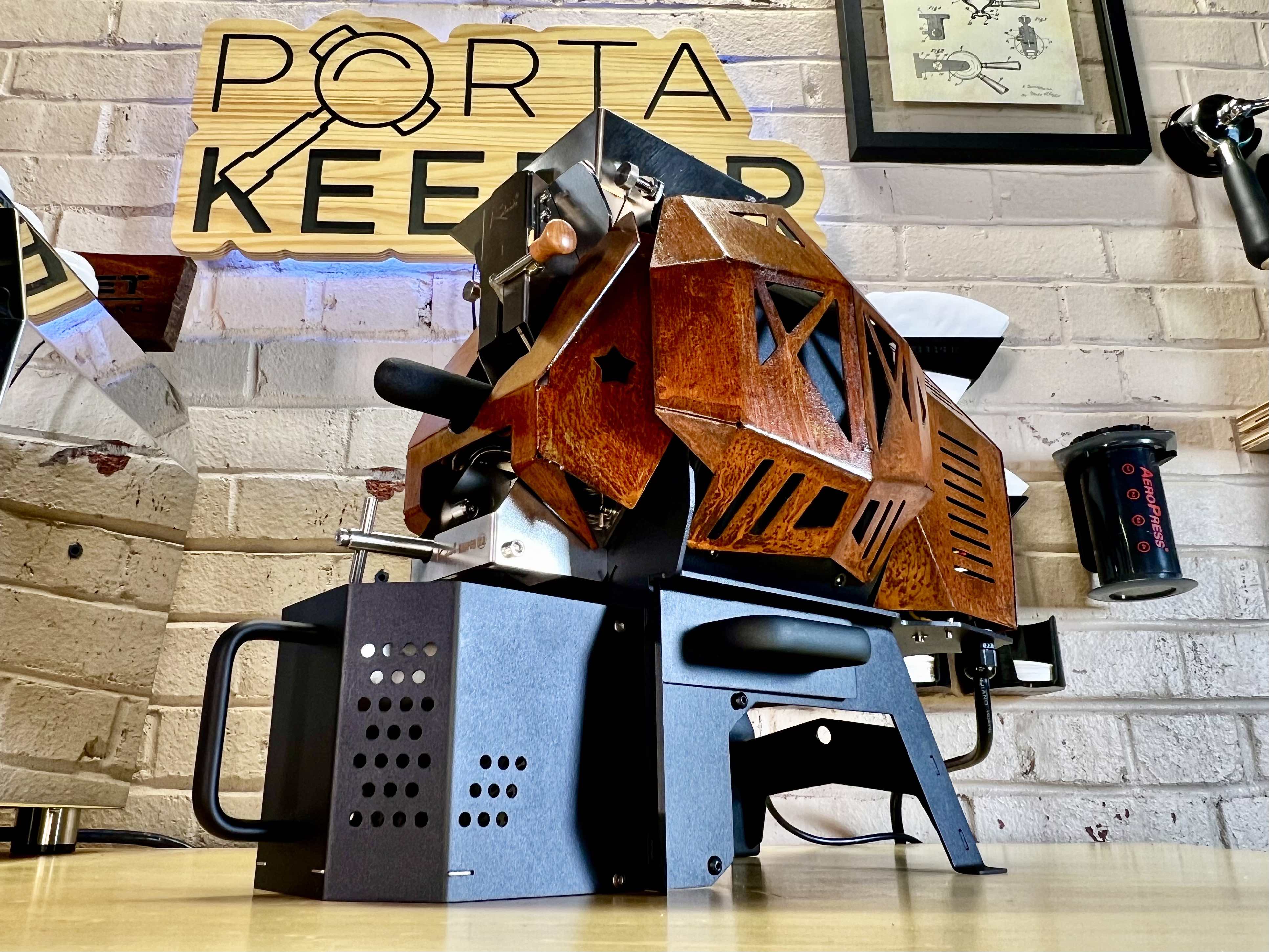
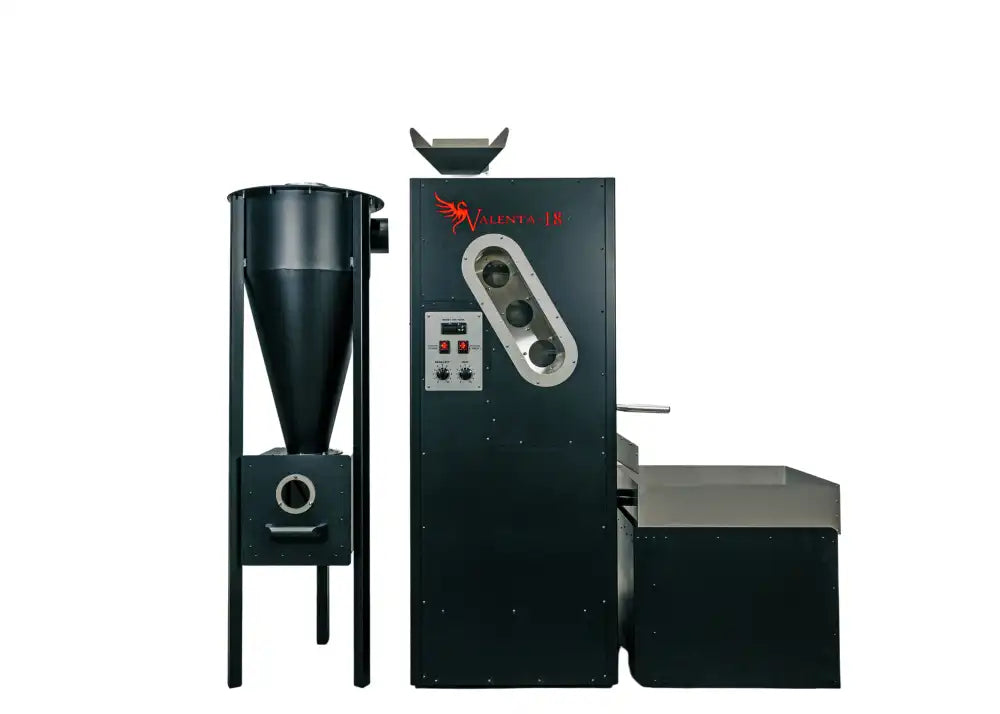
I bought this roaster to launch my micro roastery. Its amazing, i roast some truly amazing coffee with my kaliedo. I am able to roast all night on it most night i am roasting anywhere from 10-20 batches non stop. The only issue i have had is cooling fans breaking on me i have had to replace 2 cooling fans. But given how much i roast i can not complain, its a work horse and i love it. The best part is the customer service. I will 100 precent be buying my next roaster here because of the customer service. They go above and beyond to help and solve any issues you may have. Lastly i like how easy it is work on and maintain the kalideo. The spare parts are affordable and its easy to replace parts that break. if you need a good entry roaster look no further
The guys at Espresso outlet are extremely knowledgeable, responsive, and helpful. I ordered a Turin machine that arrived damaged. I decided I wanted to go with a different kind of machine entirely. They promptly sent me a return label and refunded me within hours of them receiving the machine. I would definitely consider buying from them in the future.
Package arrived well protected without damage.
I had a thermoblock Breville Bambino before. After ~6yrs using it I could make good cortado but it was inconsistent.
This machine produces quality results every time. The steam is powerful. The extraction is great. Consistent, high temps. We get comments on how nice it looks.
For negatives, the included manual is sparse, especially for maintenance. I’ve found some videos online but many are in Korean so we’re still figuring that out. We drink primarily medium/dark roast. I’ve made light roast with it. It came out ok, but don’t know if I’d suggest it for that.
We were deciding among this, a Quick Mill Pop-Up, or a Profitec Go
One of my favorite coffees because it hits all the notes in flavor.
Purchased the Moshi C83 Conical Burr Grinder from Espresso Outlet and had a great experience. Joe was very responsive over email and answered all my questions quickly. The grinder shipped fast, was well packaged, and arrived in perfect condition.
The grinder itself has been excellent so far — solid performance and a really good value, especially with the one-year warranty. Highly recommend Espresso Outlet.
I bought both the Lita and the Milo. I had some concerns about grind retention after watching a few online reviews, but after using the Milo, I haven’t experienced any issues with this.
I really love being able to adjust the burr gap predictably and reliably digitally. It makes dialing in my beans much easier, and once I get a particular bean dialed in, I can save a profile for it and quickly return to those settings later.
Great build quality and just the right amount of adjustability for pressure/flow profiling. I like being able to bind a basic profile to the grouphead button so others in my house can use it without needing to know anything about the advanced menus.
Excellent shipping and the product was just as described. It took my espresso to the next level!
I started working with Barret on a problem I was having on my son's M6 that we bought from someone else not knowing Expresso Outlet was the sole US Distributor. Barret got him back up and running so I bought a M10 for myself through Expresso Outlet. The unit showed up well boxed and padded. Came with alot of extras. Wired it up and it runs flawlessly. Many Thanks again to Barret for all the email responses we had over the last few months.
Great roaster, still getting the hang of it. Bew into roaster but was able to make some good coffee. Really excited on continuing to learn how to use it more!
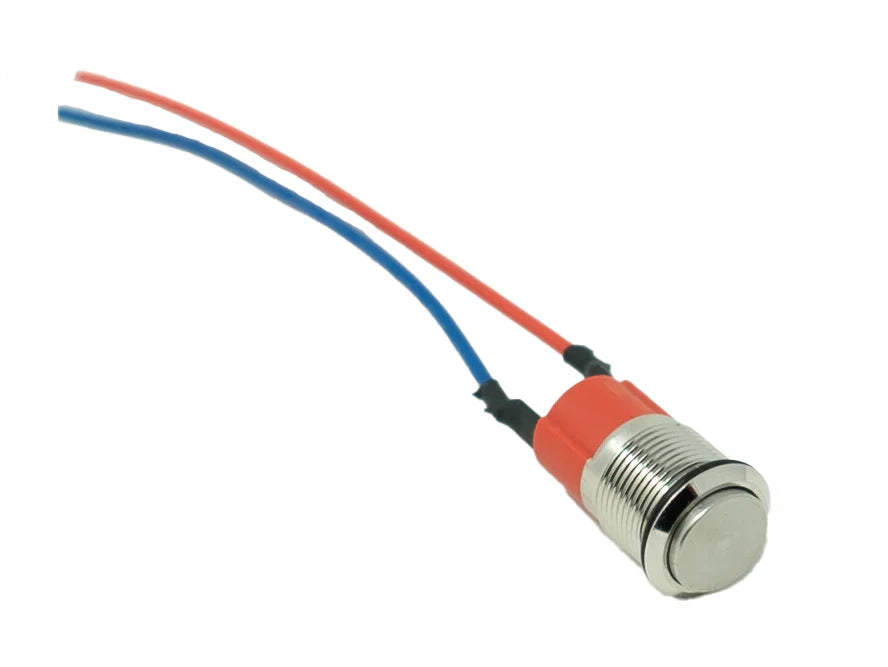
Had my grinder for almost 3 years and the button stopped working. Sent in an inquiry. No question asked and received a new button in a week.
Great roaster, it helped me step up my batch incredibly. Still fast, able to pump out 1lb easily. Learning curve as to be expected but I would suggest this brand to others.
Fantastic roaster. Upgraded from a m1 also have a 3e hot air roaster. Learning curve is steep but will worth jt if you stick wirh it
Worked great, fixed my problem and they shipped it out quickly at no cost. Much appreciated when a company doesn't leave their customers hanging. Much appreciated!