


What Is an Automatic Milk Frother? Types
An automatic milk frother is a device that heats, aerates or both heats and aerates milk with much less manual technique than a traditional steam wand. Automatic systems range from simple countertop whisk-style frothers to sophisticated bean-to-cup milk circuits that dispense a finished cappuccino at the press of a button.
The advantage is repeatability and speed. The tradeoff is that texture, temperature control and cleaning depend heavily on the design.
Main types of automatic milk frothers
| Type | How it works | Typical use |
|---|---|---|
| Standalone electric frother | Heats milk and uses a whisk or impeller to add air | Home coffee, cocoa and simple milk drinks |
| Automatic steam-assisted frother | Uses steam plus an air-intake system to draw and texture milk | Automatic or superautomatic espresso machines |
| Integrated milk carafe | Draws milk from a removable container and dispenses textured milk through an internal circuit | One-touch cappuccino and latte systems |
| External milk hose system | Pulls milk from a refrigerated container or carton | Office and commercial bean-to-cup machines |
How automatic frothing differs from a steam wand
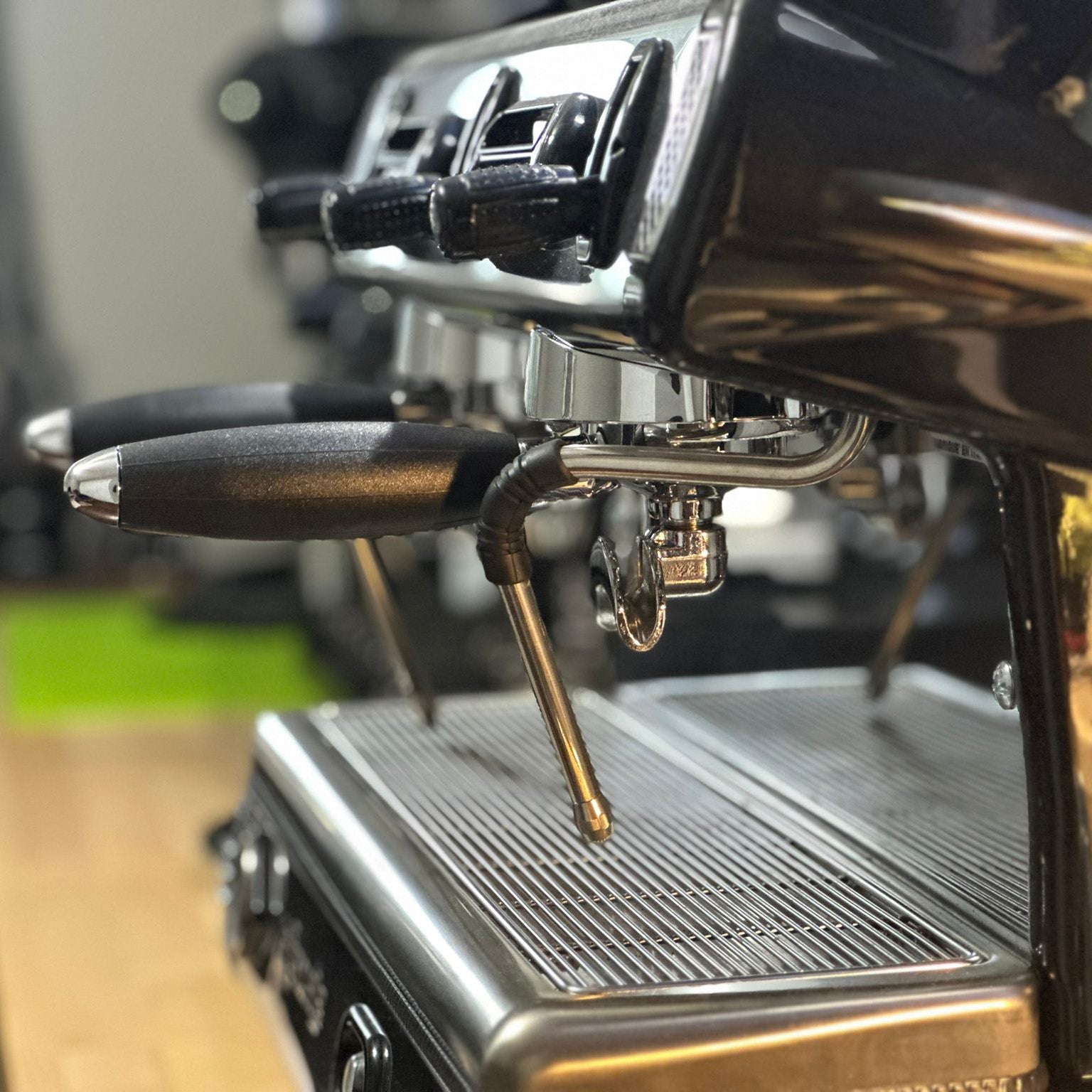
With a manual steam wand, the barista controls aeration, whirlpool, milk depth and temperature in real time. That gives skilled users excellent control over microfoam and latte-art texture.
Automatic frothers use fixed or programmable air and steam/water delivery. They are easier to reproduce drink after drink, but the user usually has less control over bubble size and milk integration.
What makes a good automatic frother?
- Fine, stable foam: bubbles should be small rather than dry and soap-like.
- Appropriate temperature: milk should be hot enough for the beverage without tasting cooked.
- Adjustability: useful systems may let the user change foam amount or temperature.
- Easy rinsing: milk pathways should be accessible or have automated rinse programs.
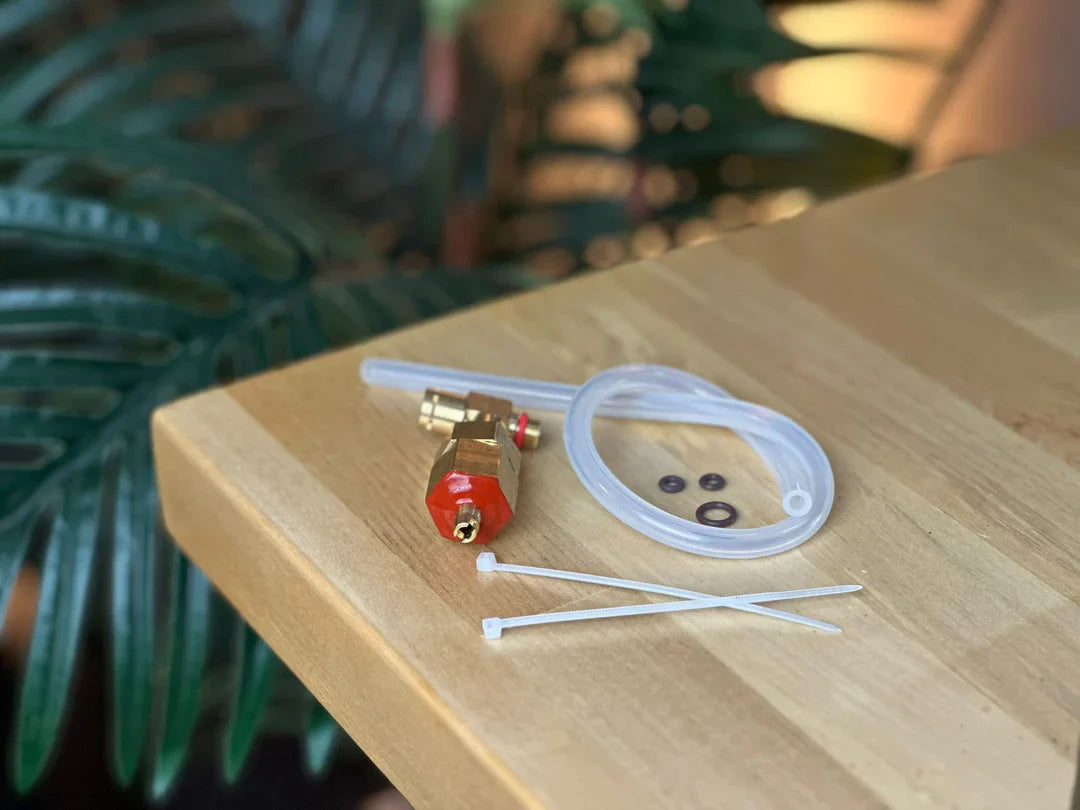
- Replaceable wear parts: hoses, seals and frothing components should be serviceable.
Why cleaning is especially important
Milk residue contains proteins, fats and sugars that can dry inside small passages. That buildup can reduce suction, change air-to-milk ratio, create odors and become a sanitation concern.
Rinsing immediately after use helps, but water alone is not enough for long-term maintenance. Follow the manufacturer schedule for milk-system detergent, disassembly and deep cleaning. If a system uses a hose, inspect it for discoloration, stiffness, cracks or residue.
Common automatic-frother problems
- Large bubbles or weak foam: clogged air inlet, wrong assembly, milk type or worn frothing parts.
- Milk is cool: restricted steam/heating system, programming or excessive cold-milk throughput.
- No milk draw: blocked hose, air leak, incorrectly seated carafe or clogged venturi.
- Inconsistent foam: milk temperature, fat/protein composition, plant-milk formulation or dirty components.
Dairy and plant milk
Different milks foam differently. Protein helps create stable bubble films, while fat changes texture and perceived richness. Many “barista” plant milks use stabilizers and adjusted protein/fat content to improve steaming and frothing. An automatic system that works beautifully with dairy may need a different setting for oat or almond milk.
Who benefits most from automatic milk?
Automatic frothing is especially useful for offices, households that prioritize convenience, and high-volume self-service environments. Baristas focused on fine latte art usually prefer a strong manual steam wand, while users seeking repeatable cappuccinos with minimal technique may prefer automation.
Explore home espresso machines and more milk-steaming terminology in the Coffee, Espresso & Brewing Equipment Glossary.