


Half-Caf Coffee Explained
Half-caf coffee is a blend of caffeinated and decaffeinated coffee intended to deliver less caffeine than regular coffee while retaining some of its flavor and stimulant effect. A common starting point is a 50/50 blend by coffee mass, but the final drink does not necessarily contain exactly half the caffeine of a fully caffeinated version.
Why 50/50 does not mean exactly 50% caffeine
Different coffee species, varieties, origins, roast levels, and brew recipes contain different amounts of caffeine. Decaffeinated coffee also retains a small amount. Mixing 10 grams of regular coffee with 10 grams of decaf therefore creates a practical “half-caf” blend, not a laboratory-standard caffeine dose.
How half-caf affects flavor
The result depends on how well the two coffees complement each other. Decaffeination and green-coffee selection can change aroma, density, solubility, and roast behavior. A high-quality decaf paired with a compatible regular coffee can produce a balanced cup with less noticeable flavor compromise than simply diluting brewed coffee.
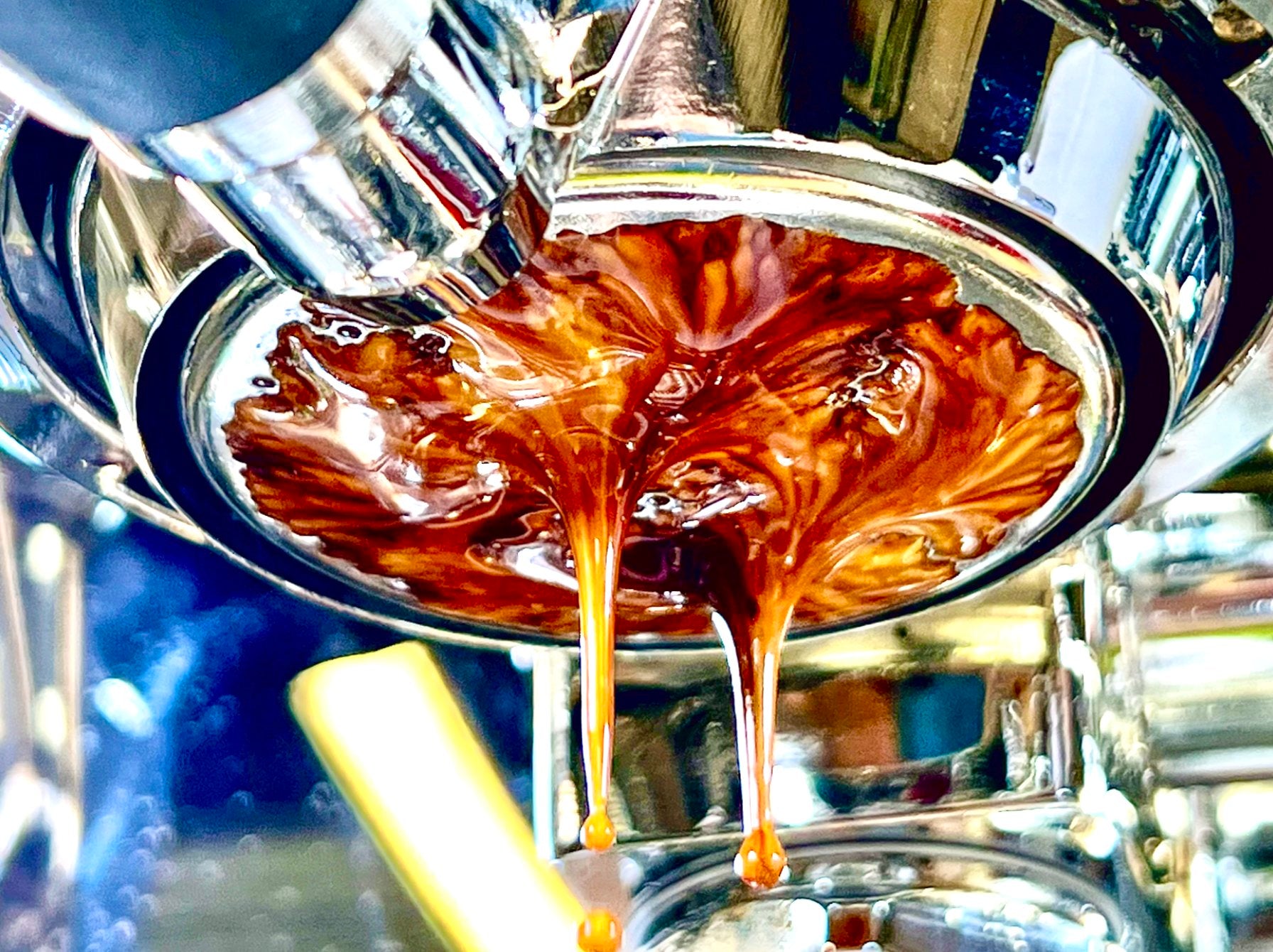
Half-caf espresso
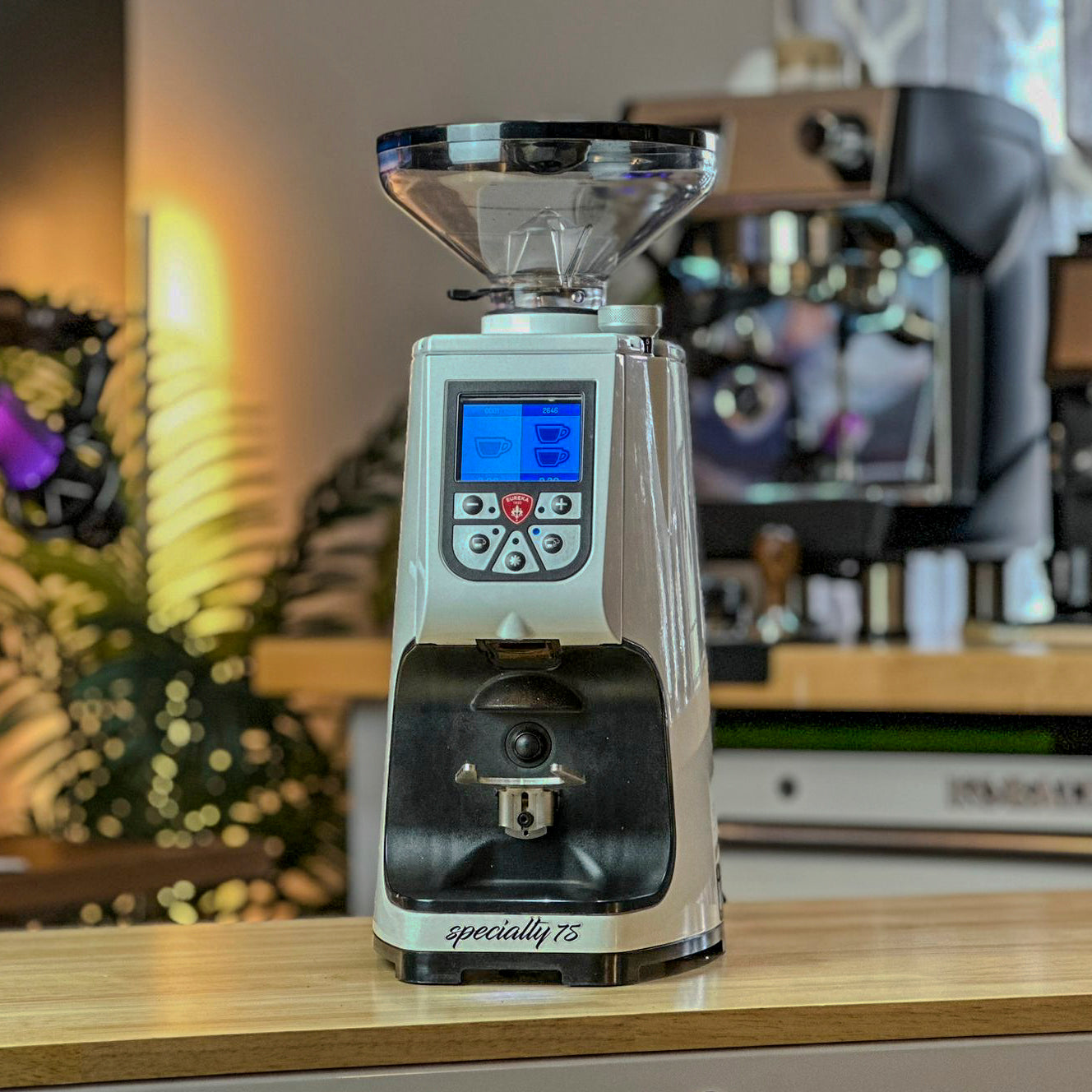
For espresso, blending beans before grinding is convenient, but the two coffees may not grind or extract identically. If one component is much darker, more brittle, or more soluble, dialing in can be less predictable. Some baristas instead pull separate regular and decaf shots and combine them, although that changes workflow.
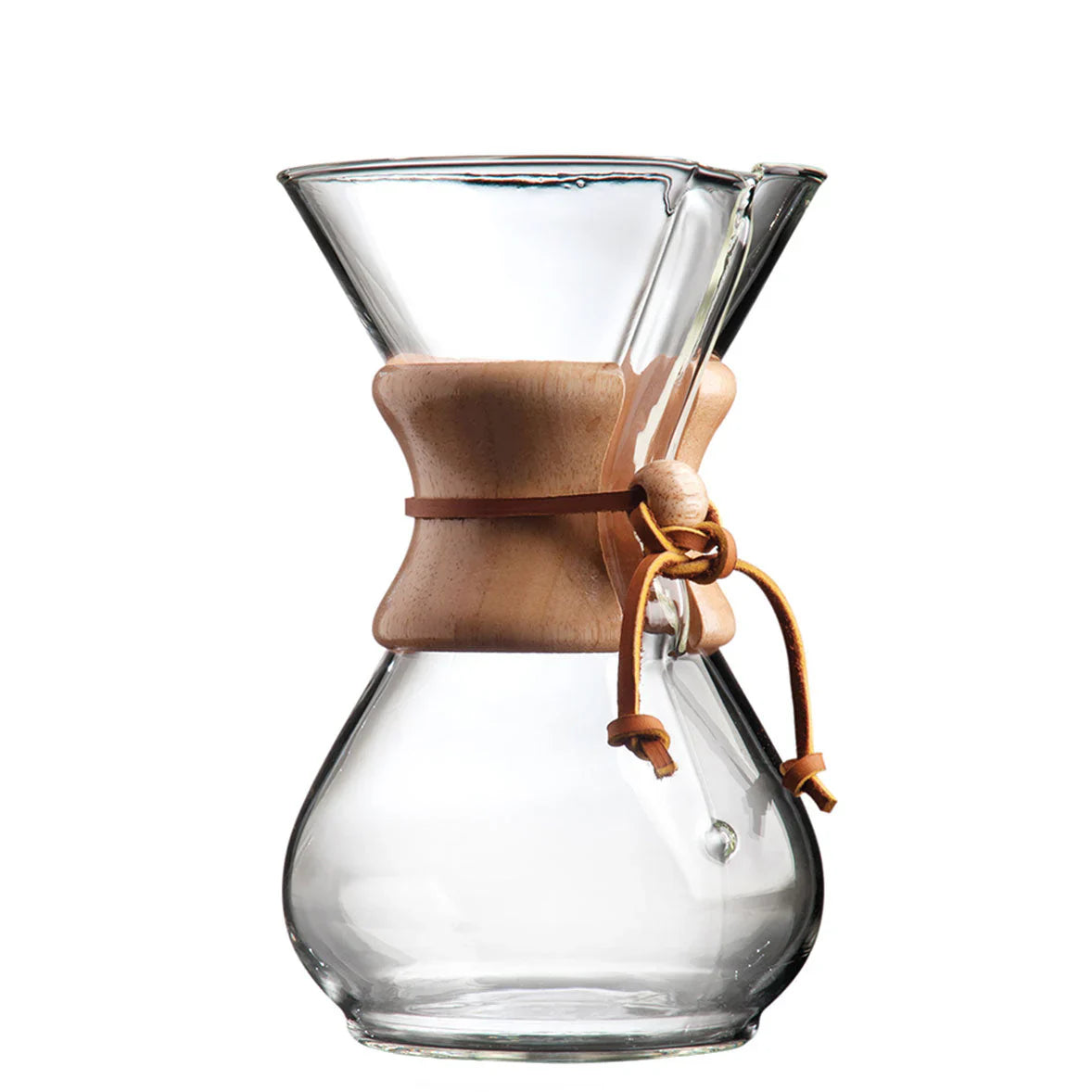
Brewing half-caf filter coffee
Use the same starting brew ratio you would for the individual coffees, then adjust by taste. If the blend tastes hollow or sharp, grind finer or increase extraction; if it becomes dry or harsh, move coarser or reduce extraction.
For background on decaffeination, read our published decaf coffee guide. See more coffee terms in the Coffee, Espresso & Brewing Equipment Glossary.