Home Barista Video Guide
Making espresso at home becomes easier when you can repeat the same recipe and understand what each adjustment changes. This video series starts with the equipment you need and explains why weighing coffee helps you learn faster.
What you need to make good espresso at home
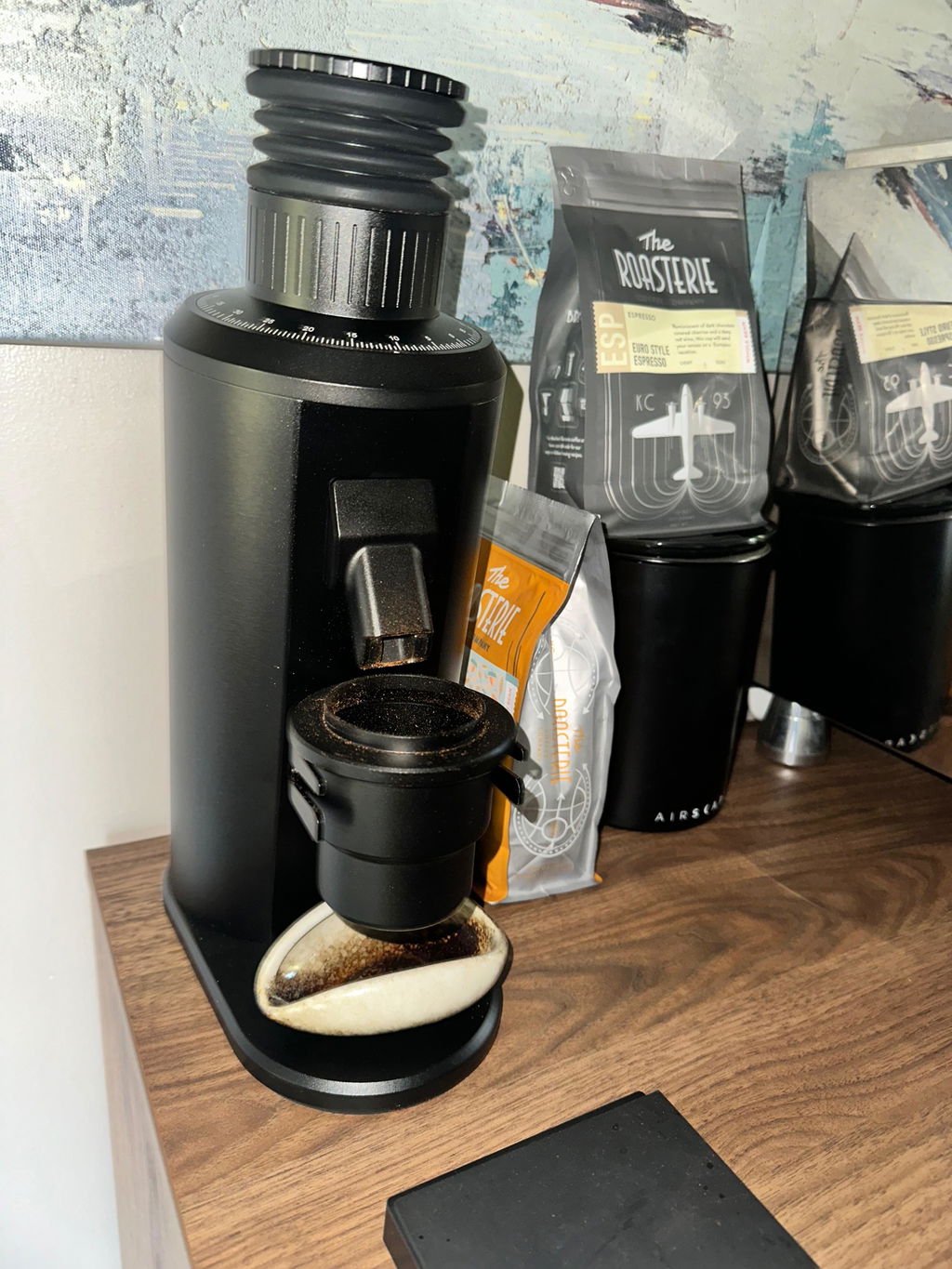
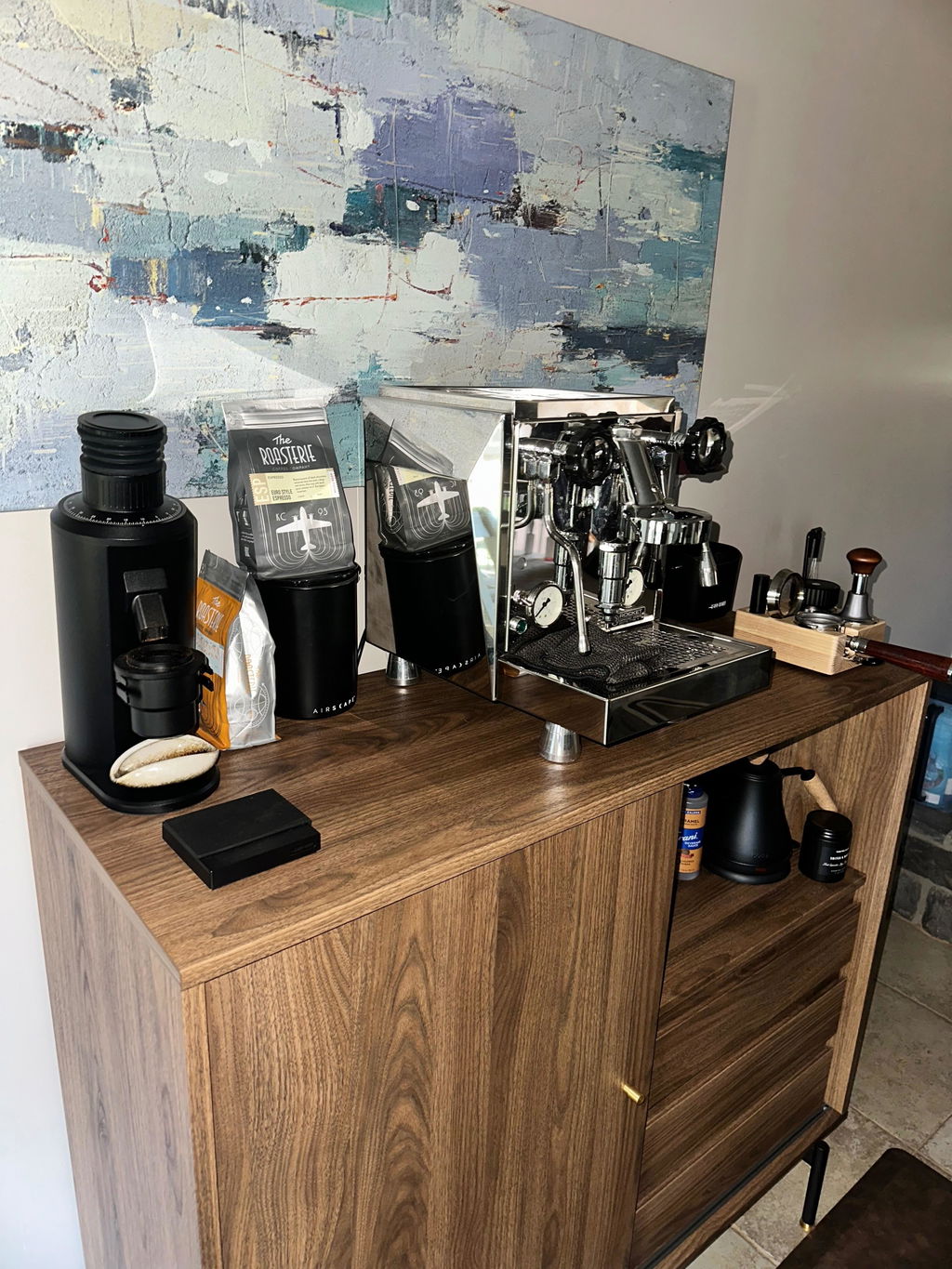
Start with an espresso machine, a suitable grinder, a scale, and coffee you enjoy. A tamper should fit your basket, and a milk pitcher is useful if you plan to make lattes or cappuccinos. More accessories can wait until you know what problem you need to solve.
When choosing a home coffee grinder, check that it offers fine enough adjustment for your basket and brewing method. Compare home espresso machines by your drink routine, including how often you switch from brewing to steaming.

Do scales matter for espresso?
A scale helps separate the dry coffee dose from the weight of the finished espresso. Measuring both gives you a brew ratio you can repeat. Measuring by eye is less reliable because bean density and crema volume vary.
For example, 18 grams of coffee producing 36 grams of espresso is a 1:2 ratio. It is a starting point, not a requirement for every bean. Our espresso dosing guide explains how basket capacity fits into that recipe.
Practice one routine before adding variables
- Warm the machine and portafilter as directed by the manufacturer.
- Weigh a dose appropriate for your basket.
- Grind, distribute the grounds, and tamp level.
- Brew to a measured beverage weight and record the time.
- Taste, then change one variable for the next shot.
Once the preparation is repeatable, follow our dialing-in guide. For milk drinks, move on to steaming smooth microfoam.